
Introduction
When the news broke that Sam Rivers, the bassist and founding member of Limp Bizkit, had died at age 48, fans and peers alike reacted with grief and admiration. Rivers wasn’t just known for heavy grooves and platinum albums — he was the pulse beneath some of the hardest-hitting nu-metal songs of the late 1990s and early 2000s. This article examines his upbringing, musical journey, personal challenges, and the legacy he leaves behind.
Early Life and Background
Sam Rivers was born on September 2, 1977, in Jacksonville, Florida. Growing up in Florida’s vibrant but often overlooked music scene, Rivers developed an early love of rhythm and sound. According to accounts, he initially played tuba in middle school before switching to bass guitar, drawn by the instrument’s power and depth. His formative years were marked by a deep interest in heavy music, funk-bass grooves, and the blending of genres — a trait that would serve him well in the hybrid sound of Limp Bizkit.
Family, Parents, and Siblings
While detailed public information on Rivers’ parents is limited, what is known is that he grew up in a tight-knit Florida community and was close to drummer John Otto — originally thought to be his cousin. Rivers’ family background appears modest, and his journey reflects the self-made nature of many artists who succeed from grassroots environments. His upbringing instilled in him a work ethic and a humility that contrasted with the loud image of his band.
Education
Rivers attended local schooling in Jacksonville and reportedly went to Douglas Anderson School of the Arts. His early education included playing musical instruments, which helped shape his sense of rhythmic timing and performance. Though he did not pursue a widely publicized college degree, his education in arts and music laid the groundwork for his professional career.
Career or Profession
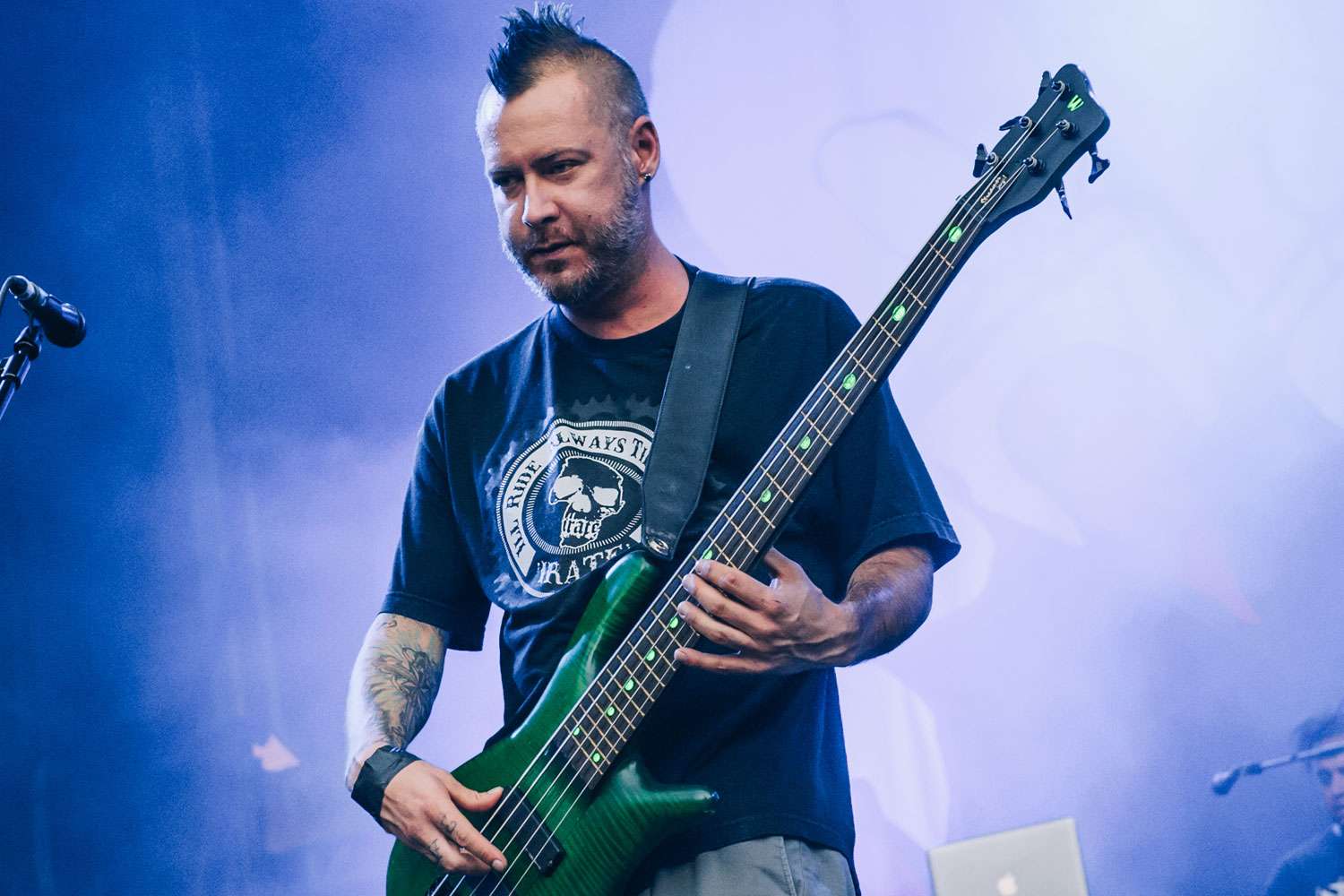
In 1994, Sam Rivers co-founded Limp Bizkit alongside Fred Durst and John Otto, helping originate a sound that combined rap, rock, funk and metal. Rivers’ bass playing—marked by rhythmic precision, funk-influenced grooves, and heavy power—became a core part of Limp Bizkit’s identity. He played on all six of the band’s major studio albums, including Significant Other and Chocolate Starfish and the Hot Dog Flavored Water.
His career also included a personal struggle with health: Rivers took a leave from the band in 2015 due to liver disease caused by alcohol addiction, and he underwent a liver transplant in 2017 before returning to the group in 2018. Beyond the spotlight, he produced local bands in Jacksonville and contributed to the wider music community, showing that his musical reach extended far beyond his bass guitar.
Relationship or Personal Life
Sam Rivers maintained a relatively private personal life, though some public details emerged. According to sources, he had relationships and was married. His health challenges and his openness about battling alcohol-related liver disease revealed a man willing to confront painful truths. His final social-media post celebrated the 25th anniversary of one of his band’s albums: a message of gratitude and “nothing but love.” The band requested privacy for his family, underscoring the human cost behind the rock image.
Net Worth
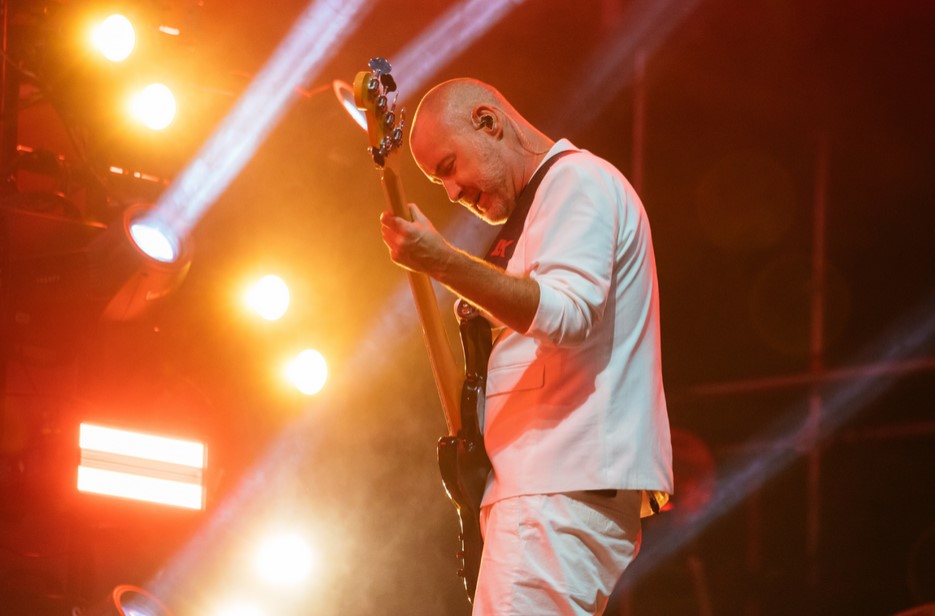
There is no official public figure for Sam Rivers’ net worth. However, given his long tenure with a platinum-selling band, worldwide tours, royalties, and production work, his financial impact was substantial within the nu-metal scene. What matters more is the legacy of the bass lines he left behind and the inspiration he provided to countless aspiring musicians.
Interesting Facts

-
Sam Rivers was recognized as Best Bass Player at the Gibson Awards in 2000.
-
He was the youngest member of Limp Bizkit when the band’s first album Three Dollar Bill, Y’all$ was released at age 19.
-
Rivers’ playing style drew from funk and metal, blending influences like Black Sabbath and Megadeth with bassists such as Jeff Ament and Les Claypool.
-
Despite his major public role, Rivers produced lesser-known local bands in Jacksonville — a testament to his commitment to music beyond fame.
-
The cause of his death has not yet been officially disclosed as of this writing.
Social Media Presence
Sam Rivers was active on social media through his association with Limp Bizkit. The band’s official Instagram shared the death announcement and many tributes. While Rivers maintained a lower-profile personal presence, his contributions continue to be celebrated across fan pages and music-community platforms.
Recent News or Updates

On October 18, 2025, Limp Bizkit announced the death of Sam Rivers at age 48, calling him “our brother… our heartbeat.” The outpouring of tributes from fans, musicians, and media outlets reflected his impact: his presence was described as “pure magic… the pulse beneath every song.” His death reopened conversations about artist health, the pressures of touring, and the fragility behind rock-star images.
Why Sam Rivers Matters
Sam Rivers mattered not only because he played in one of nu-metal’s most iconic bands, but because he bridged funk, metal, and hip-hop at a time when genre barriers were collapsing. His career reminds us that influential artists don’t always dominate spotlights — sometimes they anchor the sound. His health struggles and eventual death also bring a human dimension to the rock narrative: fame doesn’t insulate you from life’s challenges. His rhythm continues in every bass line he laid down; his influence lives in the next generation of musicians inspired by him.
FAQ — Sam Rivers
Q: When did Sam Rivers die?
A: Sam Rivers died on October 18, 2025, at age 48.
Q: What band was Sam Rivers part of?
A: He was the founding bassist and backing vocalist of Limp Bizkit.
Q: What was the cause of death?
A: The official cause of death has not been disclosed.
Q: What role did he play in the band’s sound?
A: He provided the low-end groove and foundational rhythm that underpinned Limp Bizkit’s rap-rock/metal fusion style.
Q: Did he face any major personal health issues?
A: Yes — he withdrew from the band in 2015 due to liver disease caused by alcohol, underwent a liver transplant in 2017, and returned in 2018.
Leave a Reply