Introduction
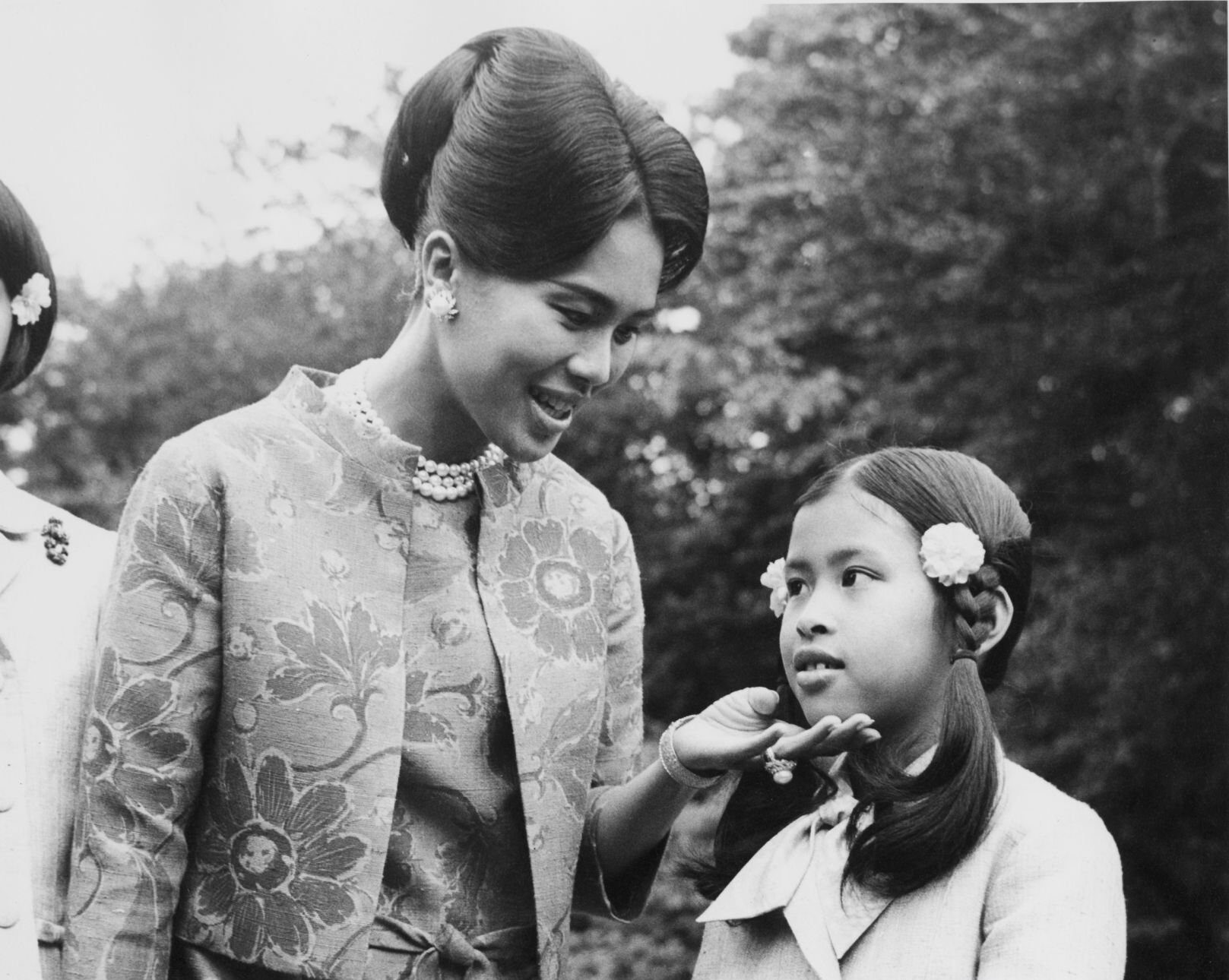
Princess Chulabhorn holds a unique place in Thailand’s royal and scientific history. Born into the heart of the Chakri dynasty as the daughter of Queen Sirikit, she grew up amid tradition and expectation. Yet she chose a path of science, service and scholarship. With Queen Sirikit’s passing in October 2025, Princess Chulabhorn’s story takes on renewed meaning — not just as a royal descendant, but as an individual who bridged royalty and research, legacy and innovation.
Early Life and Background
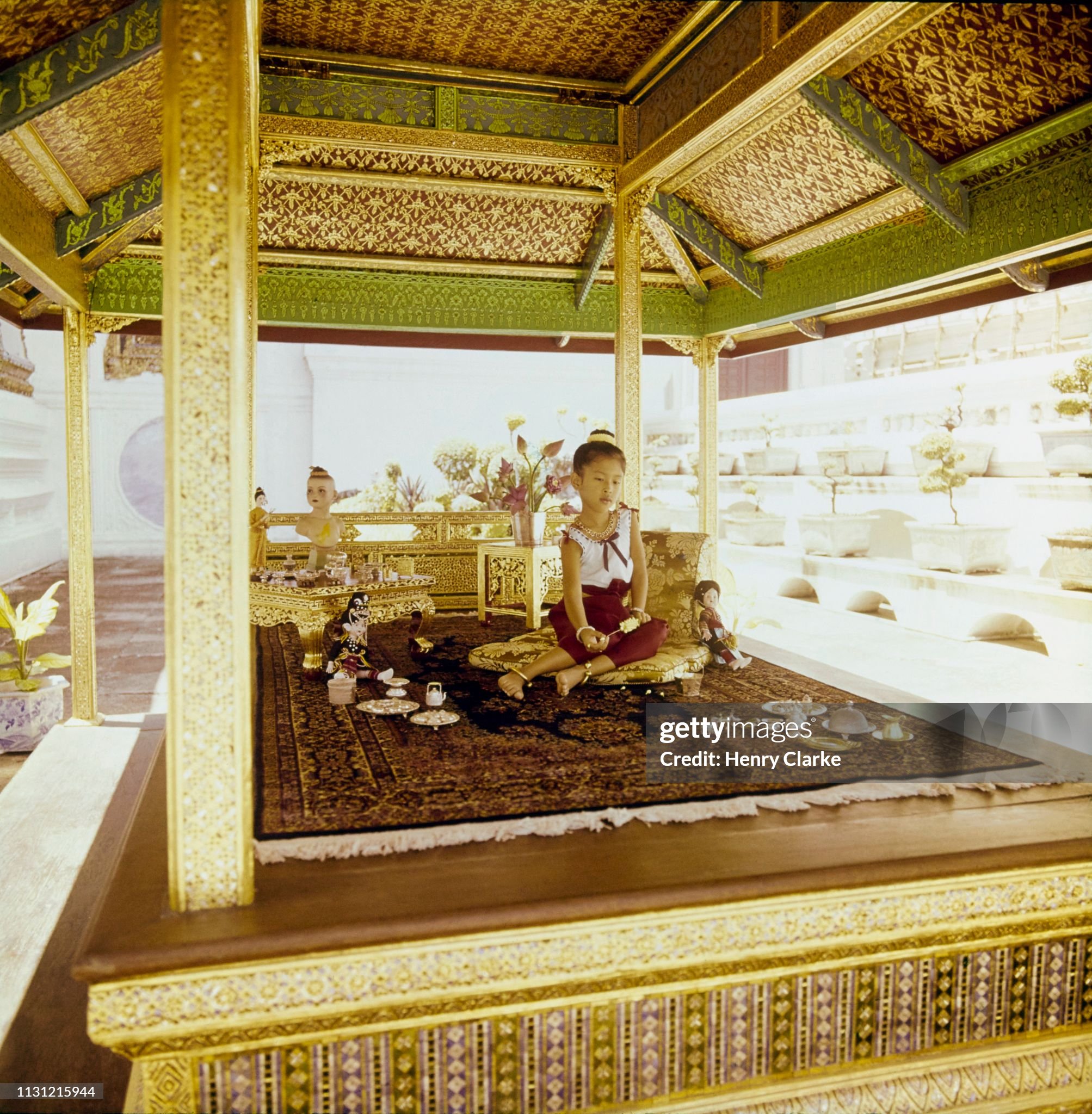
Princess Chulabhorn was born on 4 July 1957 at the Amporn-Sathan Throne Hall of Dusit Palace in Bangkok. From her earliest years she showed curiosity — a love of science, music and exploration. She attended Chitralada School on the palace grounds and excelled in her academic and artistic pursuits. Her name honoured her great-grandfather King Chulalongkorn, reflecting the weight of heritage she carried.
Family, Parents and Siblings
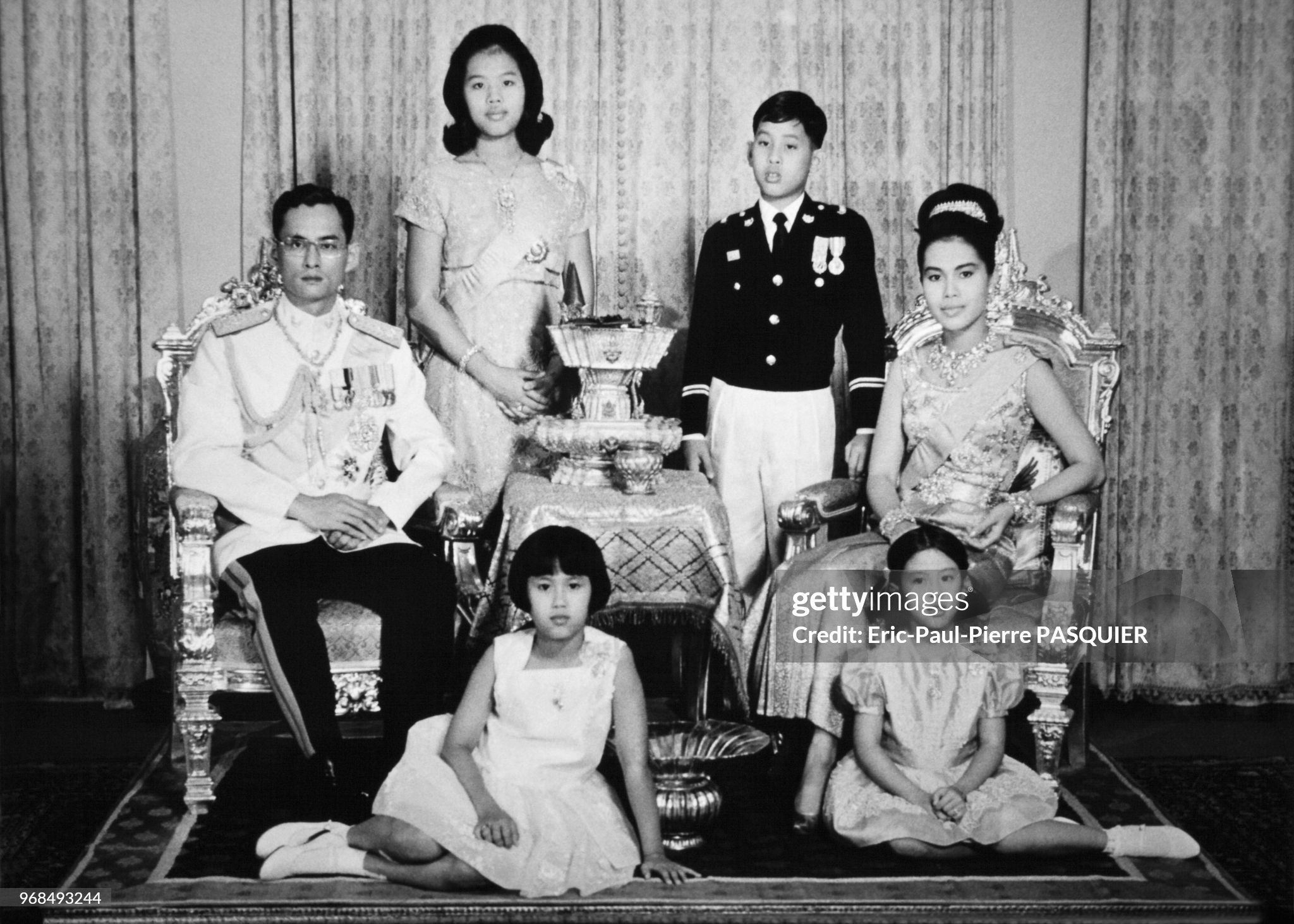
Princess Chulabhorn is the youngest child of King Bhumibol Adulyadej (Rama IX) and Queen Sirikit. Her siblings include Princess Ubol Ratana, King Maha Vajiralongkorn (Rama X) and Princess Sirindhorn. In her own marriage she wed Virayudh Tishyasarin in 1982, with whom she had two daughters: Princess Siribhachudhabhorn and Princess Adityadornkitikhun. Family dynamics for her involve both royal duty and deeply personal choices — stepping between tradition and modern service.
Education
Princess Chulabhorn pursued rigorous education: she earned a Bachelor of Science with First Class Honours in Organic Chemistry from Kasetsart University in 1979. She earned a PhD from Mahidol University in 1985 in organic chemistry. She later completed postgraduate training in Germany. Her strong academic credentials reflect her commitment to science, not just as a royal hobby, but as real professional pursuit.
Career or Profession
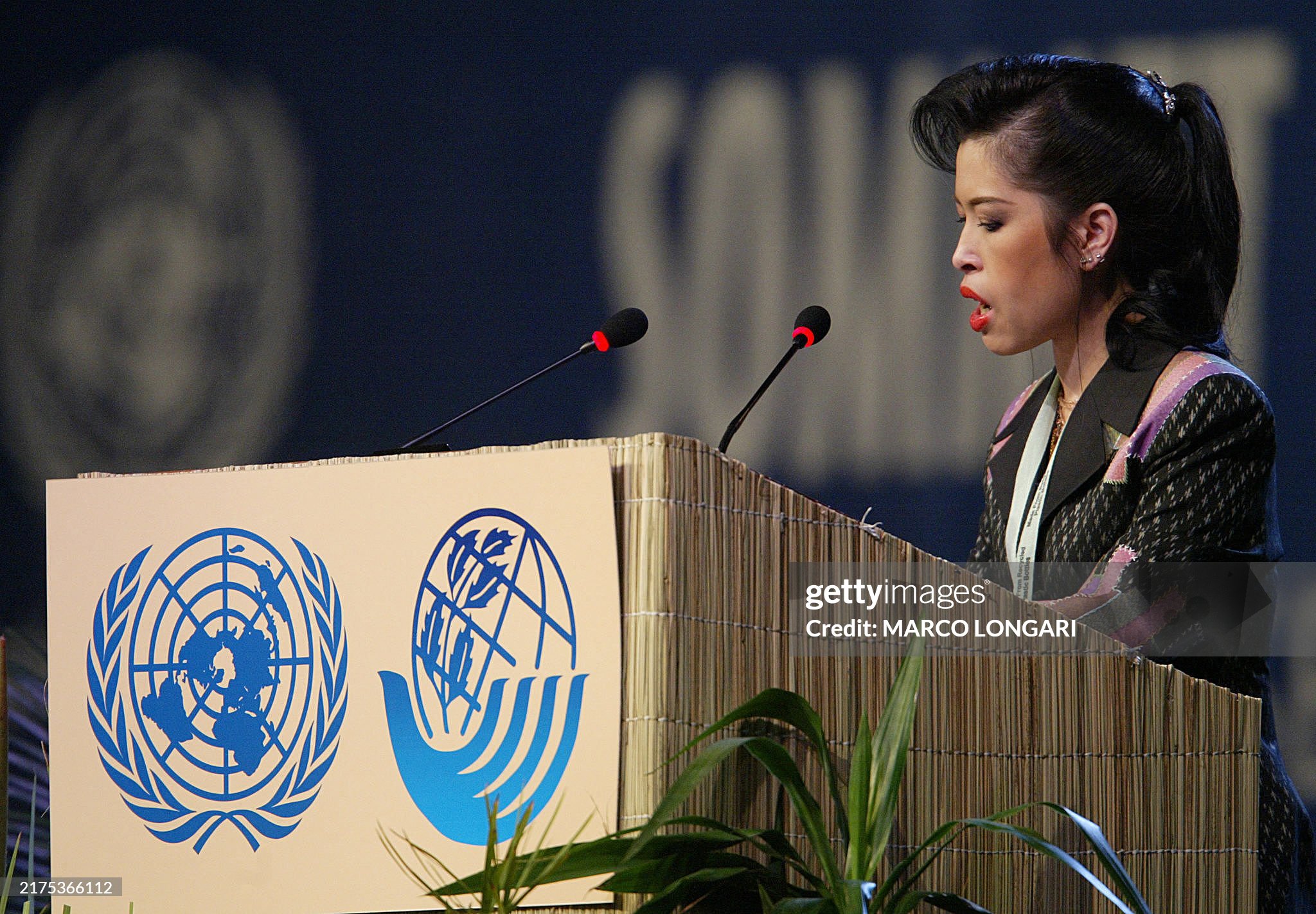
Princess Chulabhorn’s profession is layered: she is a scientist, educator, researcher and royal figure. She serves as President of the Chulabhorn Research Institute, founded in 1987, focused on biomedical, environmental and chemical-toxicology research. Her scientific work earned her international recognition including the UNESCO Einstein Medal and honorary fellowship of the Royal Society of Chemistry.Through her work she bridged the royal institution with public service, education and global collaboration.
Relationship or Personal Life
While her public role remains anchored in science and service, Princess Chulabhorn’s personal life has involved both tradition and transformation. Her 1982 marriage to an Air Force officer ended in divorce in later years. Her daughters have grown into their own royal roles. Meanwhile, her public persona balances the expectations of royalty with the discipline of scholarship — an dual identity rarely found.
Net Worth
There is no verified public figure for Princess Chulabhorn’s net worth. As a member of the royal family she benefits from institutional support rather than typical commercial earnings. Her value is better measured in social capital, academic leadership and national service rather than private accumulation.
Interesting Facts
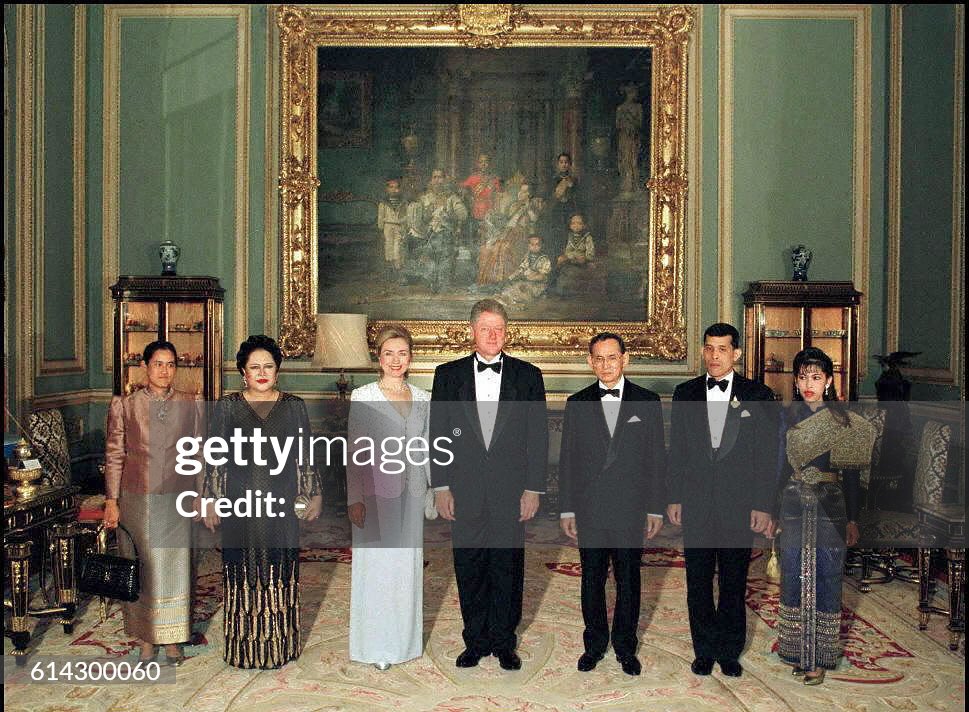
-
Often called the “Princess of Science,” Princess Chulabhorn initiated high-level research institutes to help Thailand combat environmental and health challenges.
-
Several species and institutions are named after her — such as the Chulabhorn Science High Schools and Chulabhorn District.
-
She has blended art and science: trained in Thai classical dance and music as a child, while also mastering organic chemistry.
-
Her public duties include volunteering medical missions, fighting disease and promoting environmental health in remote Thai regions.
Social Media Presence
Princess Chulabhorn maintains a low-profile social media presence. Her institutional offices (e.g., the Chulabhorn Research Institute) carry public updates rather than a personal influencer brand. This aligns with her role of duty rather than celebrity.
Recent News or Updates
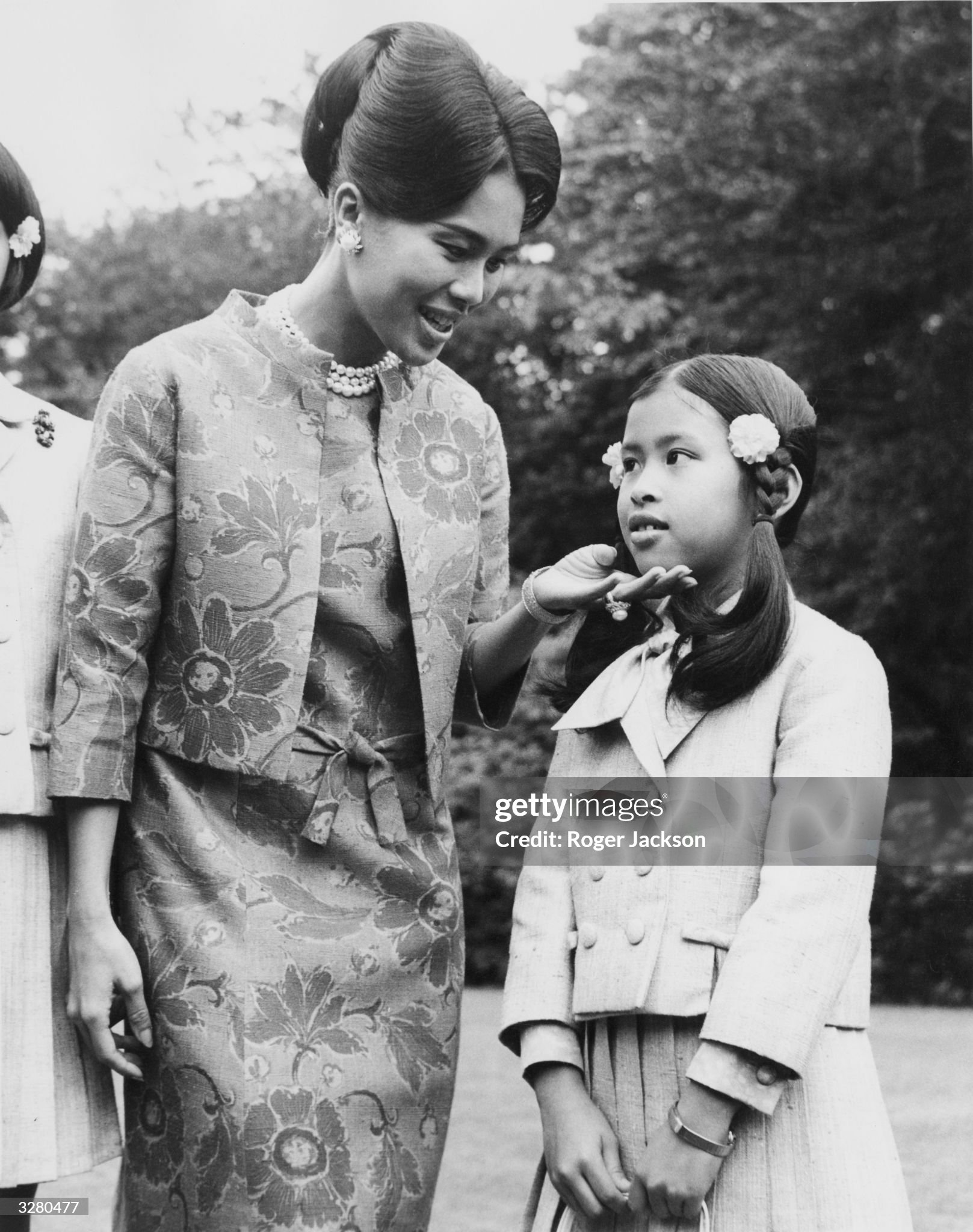
With the passing of Queen Sirikit on 24 October 2025, Princess Chulabhorn’s role within the royal family and national memory has grown in visibility. Her leadership in the Chulabhorn Research Institute and her scientific and philanthropic work are being highlighted as part of continuing legacy of the late Queen.
Why Chulabhorn Matters
Princess Chulabhorn matters because she defies simple labels. She is royal and scientist. Daughter and leader. In an era when many royals merely uphold tradition, she translated privilege into public good — building institutes, mentoring students, and tackling health and environmental challenges. Following Queen Sirikit’s passing, she becomes a bridge between a storied past and a modern future — serving not just as a figurehead, but as a hands-on partner in Thailand’s national development.
FAQ — Princess Chulabhorn
Q: Who is Chulabhorn?
A: Chulabhorn (Princess Chulabhorn Walailak) is the youngest daughter of King Bhumibol Adulyadej (Rama IX) and Queen Sirikit of Thailand, born 4 July 1957.
Q: What is she best known for?
A: Her scientific leadership — earning a PhD in organic chemistry, founding the Chulabhorn Research Institute, and earning global honors in research.
Q: What is her relation to Queen Sirikit’s passing?
A: As Queen Sirikit died on 24 October 2025, Princess Chulabhorn’s legacy and presence in national life are now more publicly recognized.
Q: Have there been recent major changes in her role?
A: Yes — her leadership and public visibility have increased in the wake of Queen Sirikit’s death and as her scientific institutes gain prominence nationally and internationally.
Q: Why is her story relevant today?
A: Because she represents a unique convergence of monarchy and meritocracy: royal birth yet scientific achievement, tradition yet innovation.
Leave a Reply