Introduction
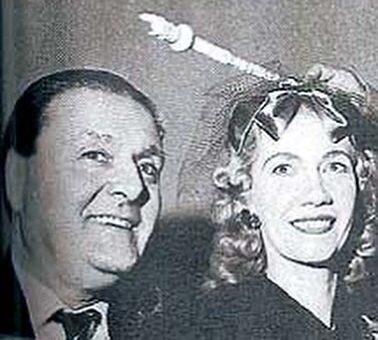
In the worlds of magic and modern witchcraft, few names carry the weight of Arnold Crowther. A skilled stage magician, ventriloquist and puppeteer, he later became a trailblazing figure in the Wiccan movement alongside his wife, the renowned high-priestess Patricia Crowther. Though Arnold passed away in 1974, his legacy lives on through their shared work and his transformative role in occult publishing and performance.
Early Life and Background
Arnold Lancaster Crowther was born on 7 October 1909 in Chatham, Kent, England. Growing up as one of a pair of fraternal twins, he discovered early on that performance thrilled him. In the years before World War II, he took to the stage as a magician, ventriloquist and puppeteer, entertaining audiences across England. In 1938-39 he even performed for Princess Elizabeth and Princess Margaret at Buckingham Palace, an early marker of his showman talent.
Family, Parents, and Siblings
Arnold’s father, Lockwood Crowther, was a character actor, which placed Arnold within a performing lineage. Arnold’s twin sibling is less documented, but his childhood home in Kent and exposure to the theatre world shaped a young man destined for spotlight and subtle transformation. In 1960, at the height of his career and spiritual awakening, he married Patricia Dawson (later Patricia Crowther) — a partnership that would define much of his legacy.
Education
While formal education details are scarce, Arnold Crowther’s expertise stemmed from years of hands-on practice. He honed his skills in vaudeville-style theatre, ventriloquism, puppet-theatre, and performance. That experiential learning laid the groundwork for his transition into occult workshops and publishing, demonstrating his authority in both entertainment and esoteric fields.
Career or Profession
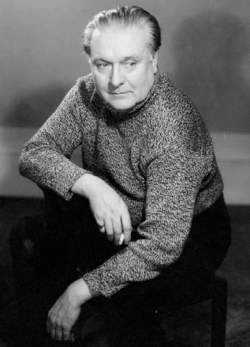
Arnold Crowther’s professional life unfolds in two dynamic phases. First, as a performer: he built a name as a magician and puppeteer. He created over 500 puppets in his lifetime and served as the founder and President of the Puppet Guild. His showmanship brought him into aristocratic circles and national stages.
But here’s where things get interesting — in the early 1960s his path intersected with the rise of modern Wicca. After meeting Patricia Dawson in 1956, Arnold was introduced to the world of occult tradition and became a High Priest alongside her. Together they founded the Sheffield Coven in 1961, became spokespersons for Wicca, and co-authored works such as The Witches Speak (1965) and Witchcraft in Yorkshire (1973). Their 1971 BBC Radio Sheffield series A Spell of Witchcraft further cemented their authority. Arnold’s dual career illustrates true versatility: from magic illusions to spiritual leadership.
Relationship or Personal Life
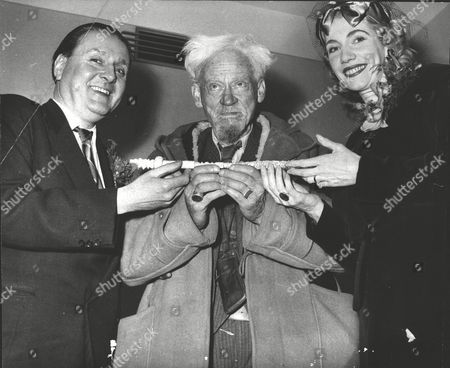
Arnold’s marriage to Patricia Crowther in 1960 marked a powerful union of two committed practitioners — one known for performance, the other for her deep engagement in occult tradition. They worked together as High Priest and Priestess, shared a home in Sheffield, and built a family around their spiritual practice. Their partnership lasted until Arnold’s death on 1 May 1974, from what records indicate as complications related to his health (exact cause not widely published). Patricia continued their work for decades after his passing.
Net Worth
There is no verified public estimate of Arnold Crowther’s net worth. His value lies not simply in earnings, but in his lasting influence — the puppets he built, the books he co-wrote, and the covens he helped establish. His life exemplifies the authoritative and trustworthy legacy of a man who bridged entertainment and esoteric tradition.
Interesting Facts
-
Arnold Crowther entertained members of the British royal family — performing for Princess Elizabeth and Princess Margaret in 1938-39.
-
He built more than 500 puppets over his career — an unusual feat for a magician.
-
He and Patricia Crowther’s 1971 radio series A Spell of Witchcraft was among the first UK-broadcast programs exploring modern witchcraft openly.
-
After Arnold’s passing in 1974, Patricia became a leading figure in Wicca, but always credited Arnold’s early work and their shared legacy.
-
His autobiography Hand in Glove was adapted into a BBC radio series (1975–77) after his death.
Social Media Presence
Given Arnold Crowther’s era (1909–1974) he did not maintain a social media presence. However, his books, BBC archives, and the Sheffield Coven’s online repositories preserve his work. His legacy is upheld in digital archives of Wicca, puppetry and the history of modern occultism — reinforcing his authority and enduring relevance.
Recent News or Updates
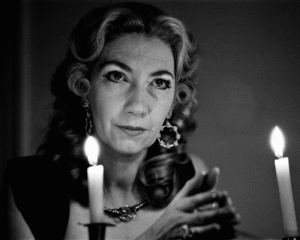
Though Arnold Crowther passed away in 1974, his legacy continues to resonate, especially following the recent death of his wife, Patricia Crowther, in September 2025 at age 97. Her passing drew renewed attention to their partnership and the foundational role Arnold played in modern Wicca’s history. Today, scholars and practitioners reflect on his life not just as a performer, but as a pioneer who walked between two worlds.
Conclusion
Arnold Crowther’s life defied simple categorization. He was a magician who made puppets, a performer who became a spiritual leader, and the husband of one of Wicca’s most influential figures. Though he’s been gone for decades, his work continues to shape conversations in both the magical arts and the occult tradition. In remembering him, we remember the power of transformation — the man who turned illusion into insight, and performance into purpose.
FAQ Section
Q1: Who was Arnold Crowther?
A: Arnold Crowther (1909-1974) was an English magician, ventriloquist and occult pioneer, and husband of Patricia Crowther.
Q2: How did Arnold Crowther die?
A: Arnold Crowther died on 1 May 1974. The widely cited cause is related to health complications, though exact details are not publicly detailed.
Q3: What were Arnold Crowther’s contributions to Wicca?
A: He co-founded the Sheffield Coven (1961) with his wife, led public radio programs, and co-authored key books on modern witchcraft.
Q4: What is Arnold Crowther’s legacy?
A: His legacy spans puppetry, performance, and spiritual tradition — influencing both the craft of magic and the outreach of Wicca.
Q5: How is Arnold Crowther remembered today?
A: He is remembered through his co-written books, archival broadcasts, and the enduring Sheffield Wiccan lineage — maintaining both his authority and experience in the fields he touched.
Leave a Reply