
Introduction
In the annals of rock history, some names shine brightly while others bathe in the glow of memory—yet their impact is no less profound. One such figure is Keith Godchaux, the gifted keyboardist who brought jazz-inflected elegance and soulful depth to the Grateful Dead in the 1970s—and who was once married to vocalist Donna Jean Godchaux. Though his life was tragically cut short, his story remains vital: a tale of creative brilliance, personal struggle, and a legacy that continues to resonate with fans and musicians alike.
Early Life and Background
Keith Richard Godchaux was born in Seattle on July 19, 1948, and grew up in Concord, California. His father was a semi-professional musician, and by the age of five, Keith had begun formal piano lessons. Early on, he explored Dixieland jazz and cocktail lounge gigs—playing standards like “Misty” and backing singers at Bay Area clubs. Yet despite this polished musical groundwork, Keith yearned for something more raw, more spiritual—something “real,” as he would later say.
Family, Parents, and Siblings
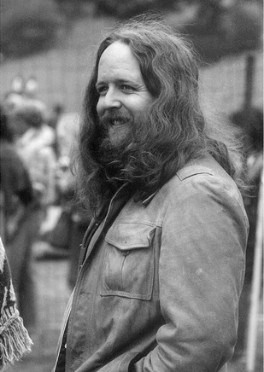
Keith’s upbringing was rooted in a musically inclined household: his father Hal (or “Henri” depending on the source) gave piano lessons and harbored opera ambitions before shifting into more practical teaching and accompanying roles. Little is publicly documented about siblings or extended family beyond his own later marriage to Donna Jean in 1970. Their union marked the fusion of musical souls—and the beginning of Keith’s rapid rise in the rock world.
Education
While Keith did not pursue formal academic studies in music beyond his early lessons, his education was one of immersion: performing in lounge trios, backing vocalists, and honing jazz and modal sensibilities in the Bay Area. This experiential training laid the foundation for his seamless transition into the Grateful Dead circle, where he would bring a refined yet adventurous pianistic voice.
Career or Profession

In September 1971, Keith joined the Grateful Dead, performing his first show with them on October 19 of that year at the University of Minnesota. He played grand piano and occasionally Hammond organ, contributing to such seminal albums as Wake of the Flood, From the Mars Hotel, Blues for Allah, and Terrapin Station. His unique style—a jazz-influenced, lyrical piano voice—added texture and “warmth” to the band at a pivotal moment. Fellow bandmates noted that Keith’s arrival helped turn the Dead into a tighter, more dynamic live unit.
In 1979, Keith and Donna Jean left the band to form their own group—the Heart of Gold Band. Tragically, Keith’s time in the spotlight ended just a year later: on July 23, 1980, he died at age 32 from injuries sustained in a car accident in Marin County, California.
Relationship or Personal Life
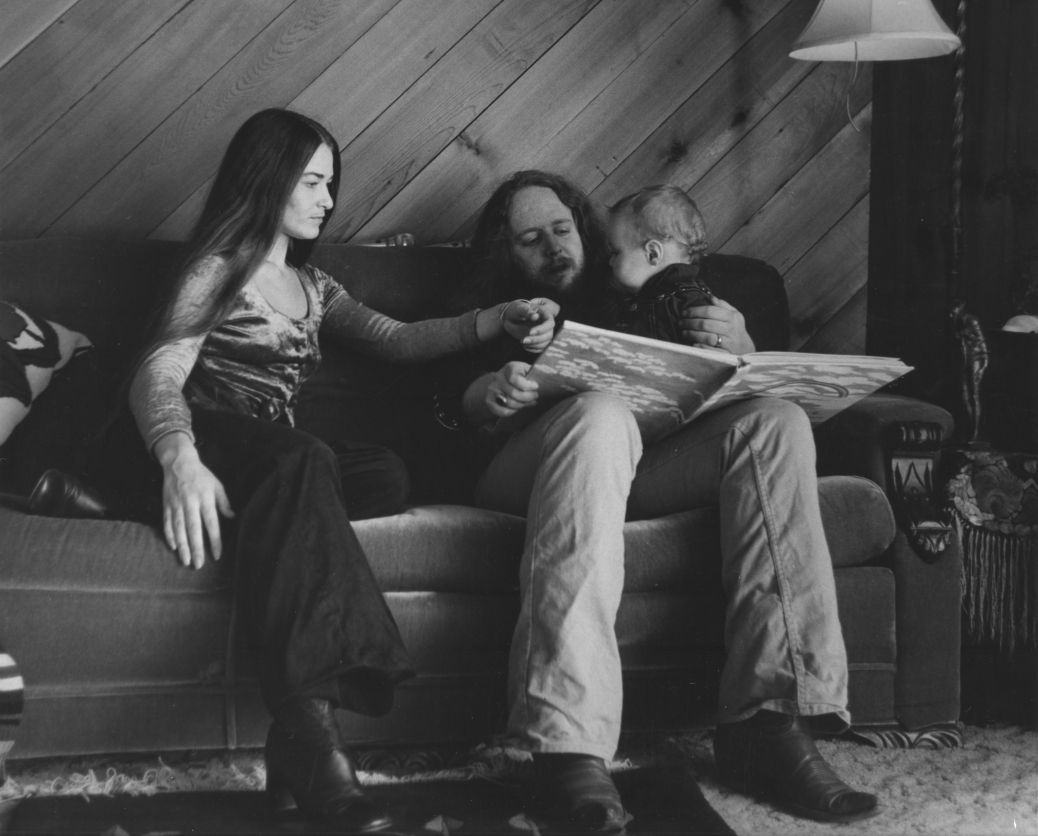
Keith married vocalist Donna Jean Thatcher in November 1970, before their joint career with the Grateful Dead. They have a son named Zion. The two shared homes in Stinson Beach, California, and recorded together—including the 1975 album Keith & Donna. Their personal and professional lives were deeply entwined—a partnership of artistic energy and musical ambition. However, the pressures of touring, substance issues, and creative tensions led to their departure from the band in 1979.
Net Worth
Precise figures for Keith Godchaux’s net worth are not publicly documented—understandable, given his early departure and era of activity. Yet his contributions to one of rock’s most influential bands, and his role as a studio and live musician, suggest a career of high artistic value, if not financial headlines.
Interesting Facts
-
Keith’s only lead-vocal and original composition with the Dead was “Let Me Sing Your Blues Away”, released on Wake of the Flood in 1973.
-
On July 19, 1974—his 26th birthday—Keith excelled in a dynamic live show that many collectors regard as a high point of the band’s “Wall of Sound” era.
-
Despite his talent, Keith remained shy and gave very few interviews—his legacy is more musical than verbal.
-
His death on July 23, 1980, came just days after his birthday and less than a year after leaving the Grateful Dead—making it one of rock history’s most tragic early losses.
Social Media Presence
As a musician active in the 1970s—and one who died in 1980—Keith Godchaux did not engage with social media. His legacy is preserved through archival recordings, fan forums, and the Grateful Dead’s official channels. This absence of a digital footprint gives his story a timeless, almost mythical quality for new generations discovering his work.
Recent News or Updates
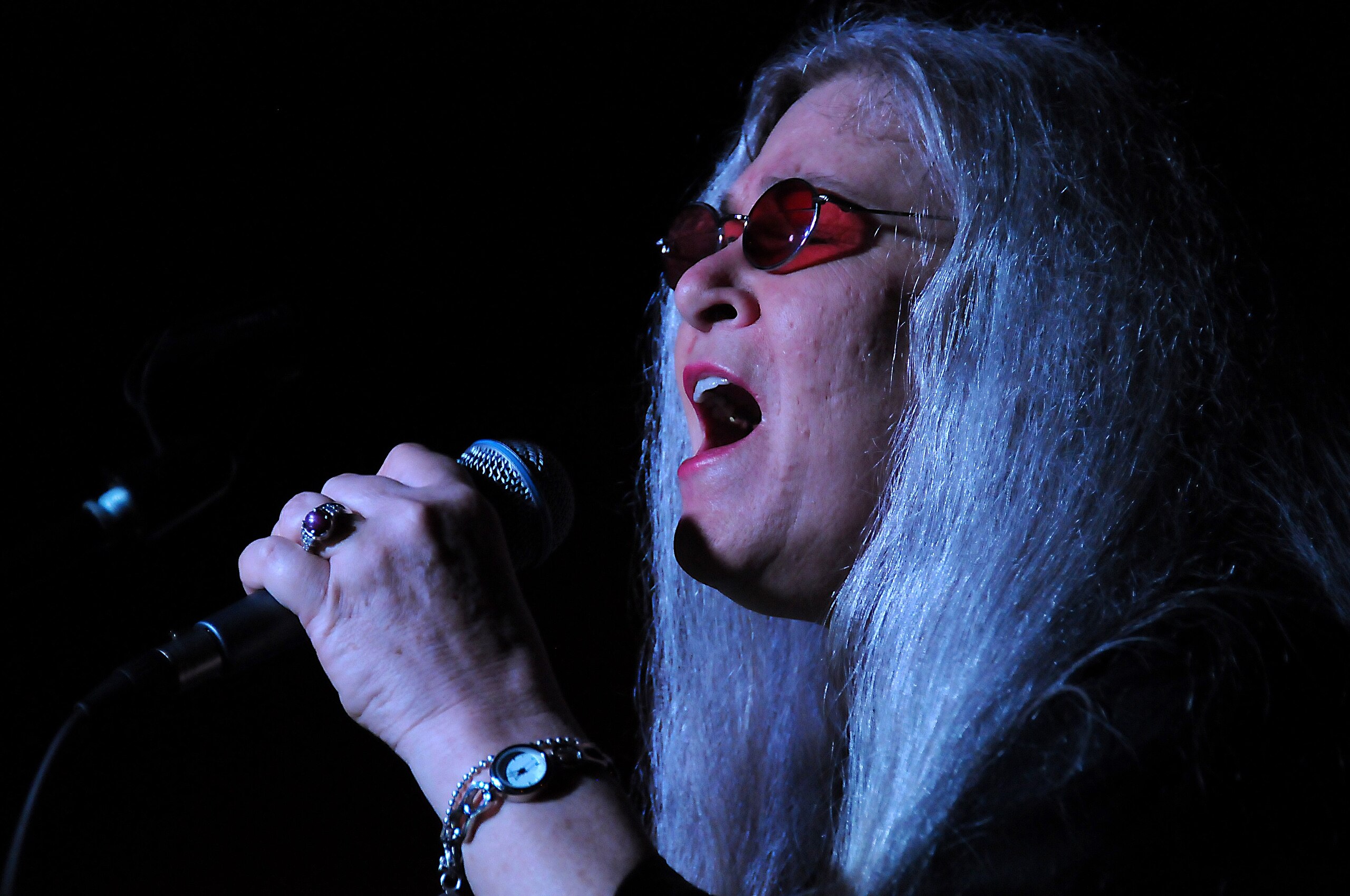
Though Keith has been gone for decades, his name resurfaced in November 2025 following the passing of his ex-wife, Donna Jean Godchaux. Media outlets revisited their years together and his contributions to the Grateful Dead’s golden era. His influence still surfaces in retrospectives, anniversary sets, and renewed interest from jam-band communities.
Conclusion
Keith Godchaux’s story is both luminous and short-lived—a pianist of uncommon sensitivity who helped push the Grateful Dead into new rhythms, harmony and depth, and whose life ended far too soon. While he may no longer walk the stage, his music still resonates, and his influence still echoes in every jam, every piano intro, every moment when the sound stretches and builds. In remembering Keith, we celebrate not just talent—but the fleeting beauty of creativity lived with earnestness and intensity.
FAQ
Q1. Who was Keith Godchaux?
Keith Godchaux was the keyboardist for the Grateful Dead from 1971–79 and the ex-husband of vocalist Donna Jean Godchaux.
Q2. What caused Keith Godchaux’s death?
He died on July 23, 1980, at age 32 in a car accident in Marin County, California.
Q3. What was Keith Godchaux’s most memorable musical contribution?
His only lead vocal and original composition with the band was “Let Me Sing Your Blues Away” from Wake of the Flood.
Q4. Did Keith Godchaux and Donna Jean Godchaux have children?
Yes, they had a son, Zion Godchaux, later known in the band BoomBox.
Q5. How is Keith Godchaux remembered today?
He is remembered for his elegant piano style, major impact on the Grateful Dead’s live sound in the 1970s, and as part of one of rock’s tragic early departures.
Leave a Reply