Introduction
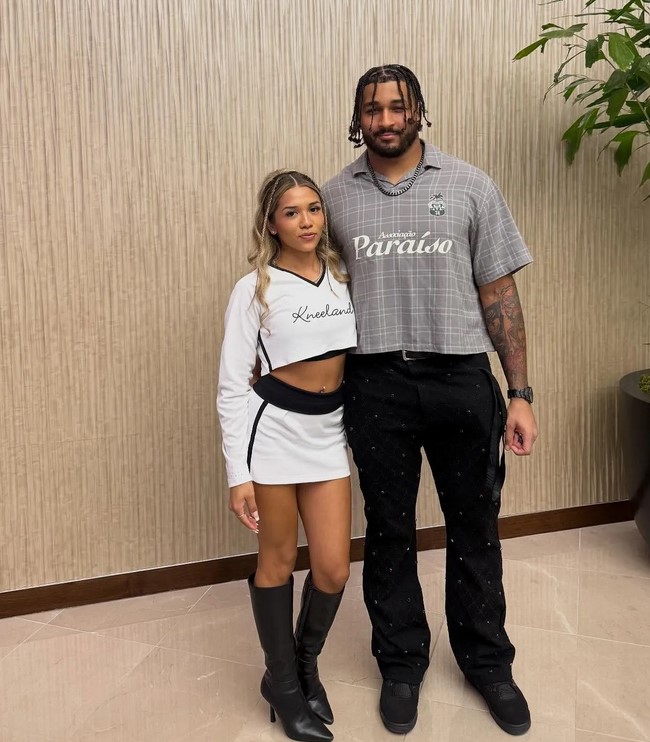
Catalina—identified in police dispatch audio and news reports as the girlfriend of Dallas Cowboys defensive end Marshawn Kneeland—became a central figure in the tragic events that unfolded in early November 2025. As media attention turned to the young athlete’s sudden death, Catalina’s 911 call and the information she shared with officers helped shape the official timeline. This article profiles what is publicly known about her, her relationship with Kneeland, and the circumstances she reported in the hours before his death.
Early Life and Background
Catalina is a private person by most public accounts. Reporters have not published a detailed biography of her upbringing, and she has largely remained out of the spotlight until the events surrounding Kneeland’s death. What is available in public reports is limited to her role as a close partner who was present in his final hours and who sought help when she believed his life was in immediate danger.
Family, Parents and Siblings
There are no verified public records or reliable reporting that detail Catalina’s family, parents, or siblings. News coverage has focused on her actions during the emergency response rather than on her personal biography, reflecting both her privacy and the immediate news value of the crisis she reported.
Education
Public reporting has not disclosed Catalina’s education history. Because she is a private individual who became known publicly through a sensitive emergency situation, mainstream coverage has concentrated on the emergency audio and official statements rather than on her background.
Career or Profession
At this time, reliable outlets have not published details about Catalina’s occupation or professional life. Most contemporary articles treat her as a partner and concerned loved one whose primary public role in this story is the welfare call and related communications with police and family members.
Relationship and Personal Life
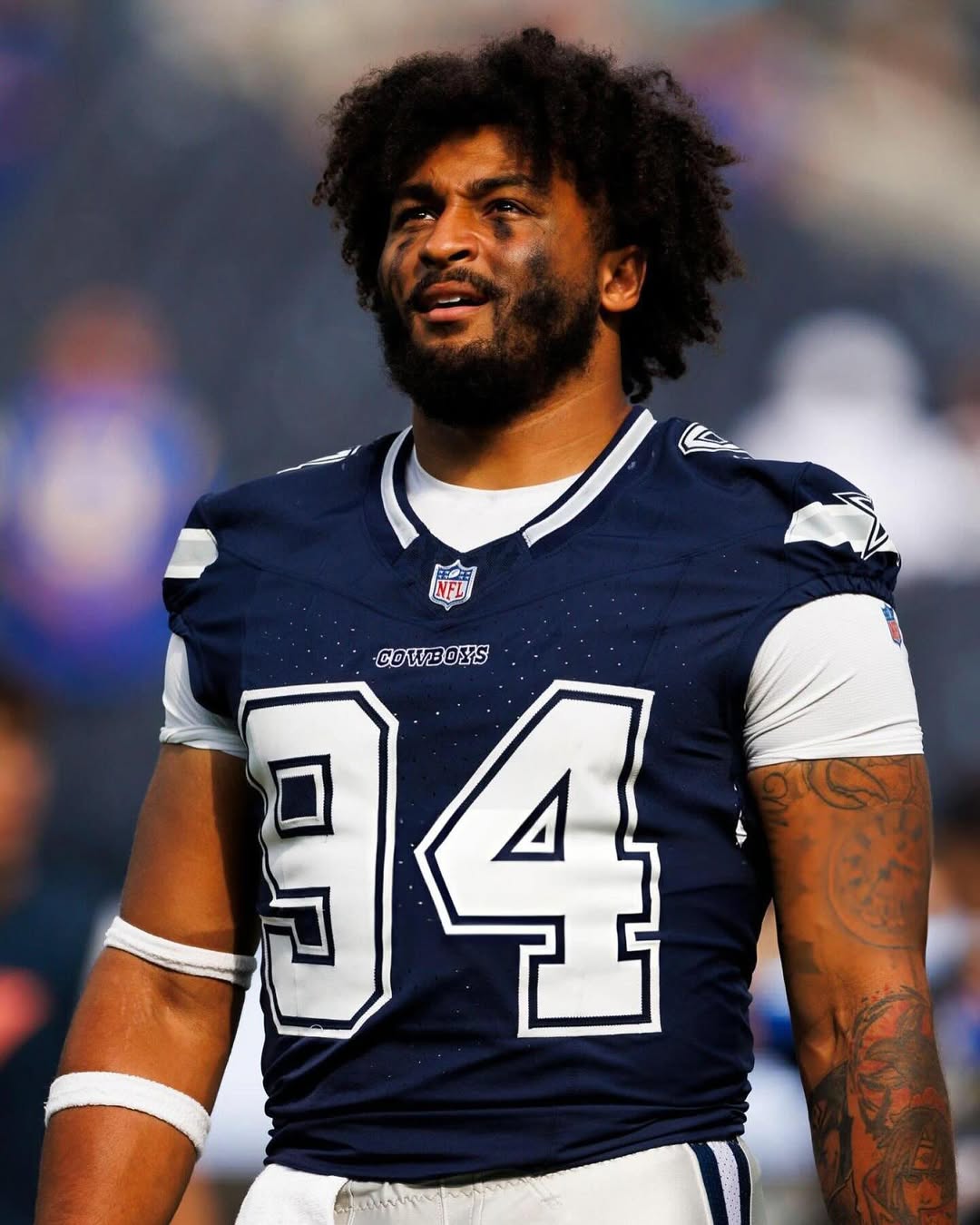
Catalina was Marshawn Kneeland’s girlfriend and close confidante. According to dispatch audio and police reports, she called authorities during the night of November 5–6, 2025, expressing grave concern for his safety. She reportedly told 911 or dispatch that Kneeland was armed, suffering from mental-health struggles, and might “end it all.” She also reached out to others trying to locate him, and was cited in reports as one of the people who confirmed a “goodbye” text Kneeland had sent. These actions prompted a multi-agency response and formed a key part of the official timeline.
Net Worth
Catalina is a private individual; there are no public estimates or credible reports about her net worth. Coverage has focused entirely on the emergency events and the broader issues of mental health and athlete support that emerged after Kneeland’s death.
Interesting Facts
-
Catalina placed a welfare call — her report to authorities was among the first prompts for a police response the night of the incident.
-
Dispatch audio has been widely published — media outlets obtained recordings that include her concerns, which have been used to reconstruct the timeline.
-
She contacted Kneeland’s agent and family members as officers worked to locate him, showing she tried multiple avenues to get help.
Social Media Presence
Mainstream reports do not link Catalina to a widely public social-media presence in coverage of the incident. Journalists have focused on the emergency audio and official briefings; outlets have avoided publishing or amplifying unverified or private social posts out of respect for privacy and ongoing investigations.
Recent News and Updates (What We Know)
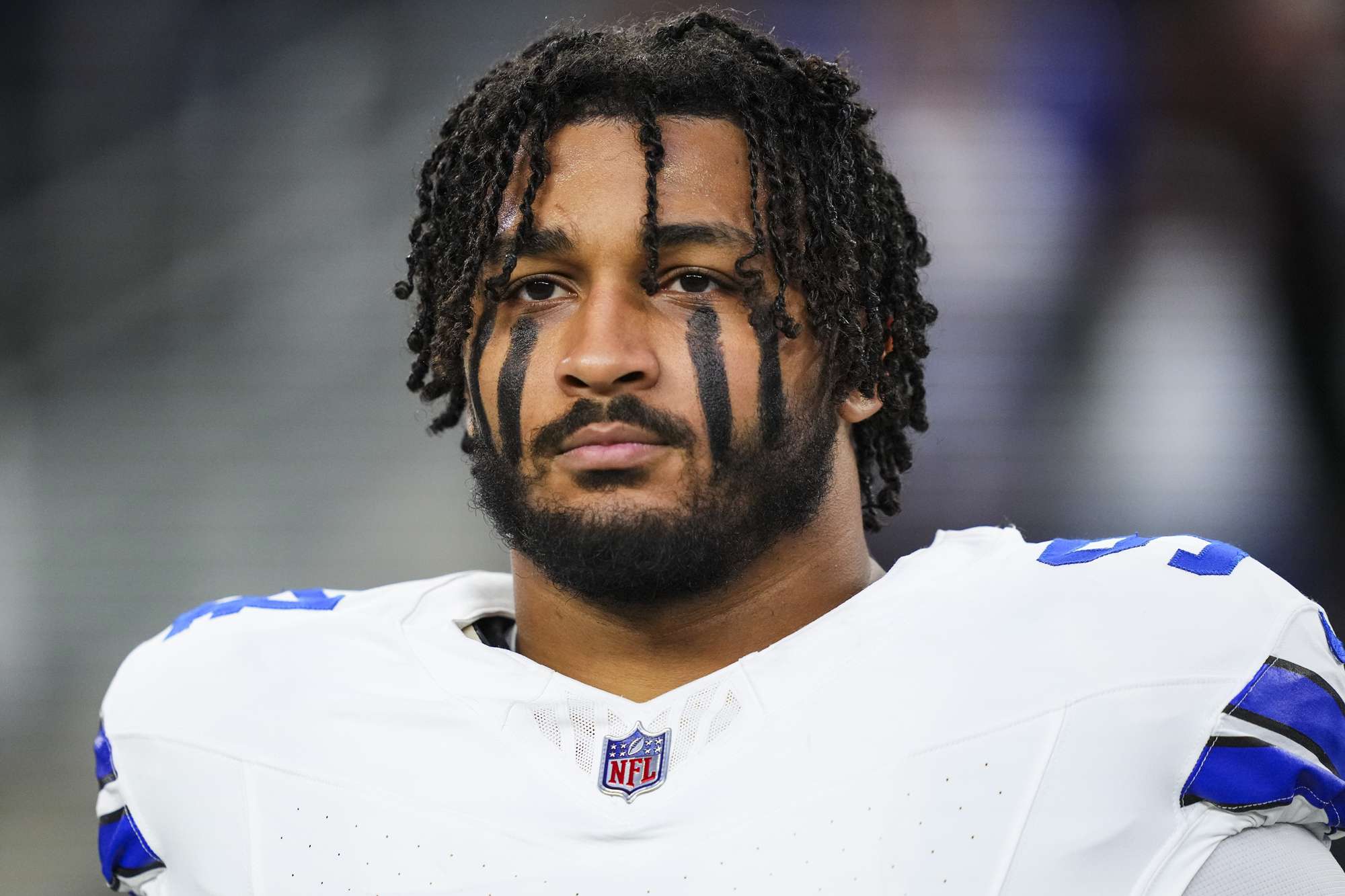
On November 5, 2025, police attempted a traffic stop of a vehicle associated with Marshawn Kneeland. The vehicle fled, later crashed, and Kneeland was reported missing from the scene. Dispatch recordings and news reports indicate that Catalina and others received a troubling “goodbye” text from Kneeland. Catalina told police he was armed and had a history of mental-health problems, expressing fear that he would “end it all.” Hours later, authorities located Kneeland; his death was later described by officials as an apparent suicide from a self-inflicted gunshot wound. The Dallas Cowboys confirmed his passing and offered condolences to Catalina and the family. Coverage across major outlets has highlighted Catalina’s role in alerting authorities and her efforts to seek help for Kneeland. The Washington Post+2NFL.com+2
Responsible Context & Resources
Reporting on suicide and self-harm must be handled with care. News outlets covering Kneeland’s death included reminders and resources: if you or someone you know is struggling, please contact the suicide and crisis lifeline by dialing 988 (U.S.), or local emergency services. If you are outside the U.S., please seek local mental-health hotlines or emergency numbers.
Conclusion
Catalina emerged publicly in an intensely private and painful moment: as the partner of a young athlete in crisis, she attempted to find help and alerted authorities when she feared for his life. The public record about her remains limited by choice and by the sensitivity of the events. What is clear from multiple verified reports is that she played a pivotal role in the chain of events that preceded Marshawn Kneeland’s death — an episode that has renewed attention on mental-health support for athletes, the role loved ones play in crisis intervention, and the need for compassionate, timely resources.
FAQ
Q: Who is Catalina in relation to Marshawn Kneeland?
A: Catalina is publicly identified in dispatch audio and multiple news reports as Marshawn Kneeland’s girlfriend and the person who alerted authorities to concerns about his welfare.
Q: Did Catalina call 911 before Marshawn Kneeland’s death?
A: Yes. Reports and dispatch audio indicate Catalina made a welfare-type call and informed officers she believed he was armed and at risk of harming himself.
Q: What was the official cause of Marshawn Kneeland’s death?
A: Local authorities and multiple credible outlets report his death as an apparent suicide from a self-inflicted gunshot wound; official findings may be further detailed by the medical examiner.
Q: Why is Catalina receiving media attention?
A: Catalina’s calls and communications to police and others form part of the public timeline of events. Dispatch audio cited by reporters described her concerns, which is why media have reported on her role.
Q: What resources are available for people in crisis?
A: If you or someone you know is in immediate danger, call local emergency services. In the U.S., dial 988 to reach the Suicide & Crisis Lifeline. Seek local mental-health resources worldwide.
Leave a Reply