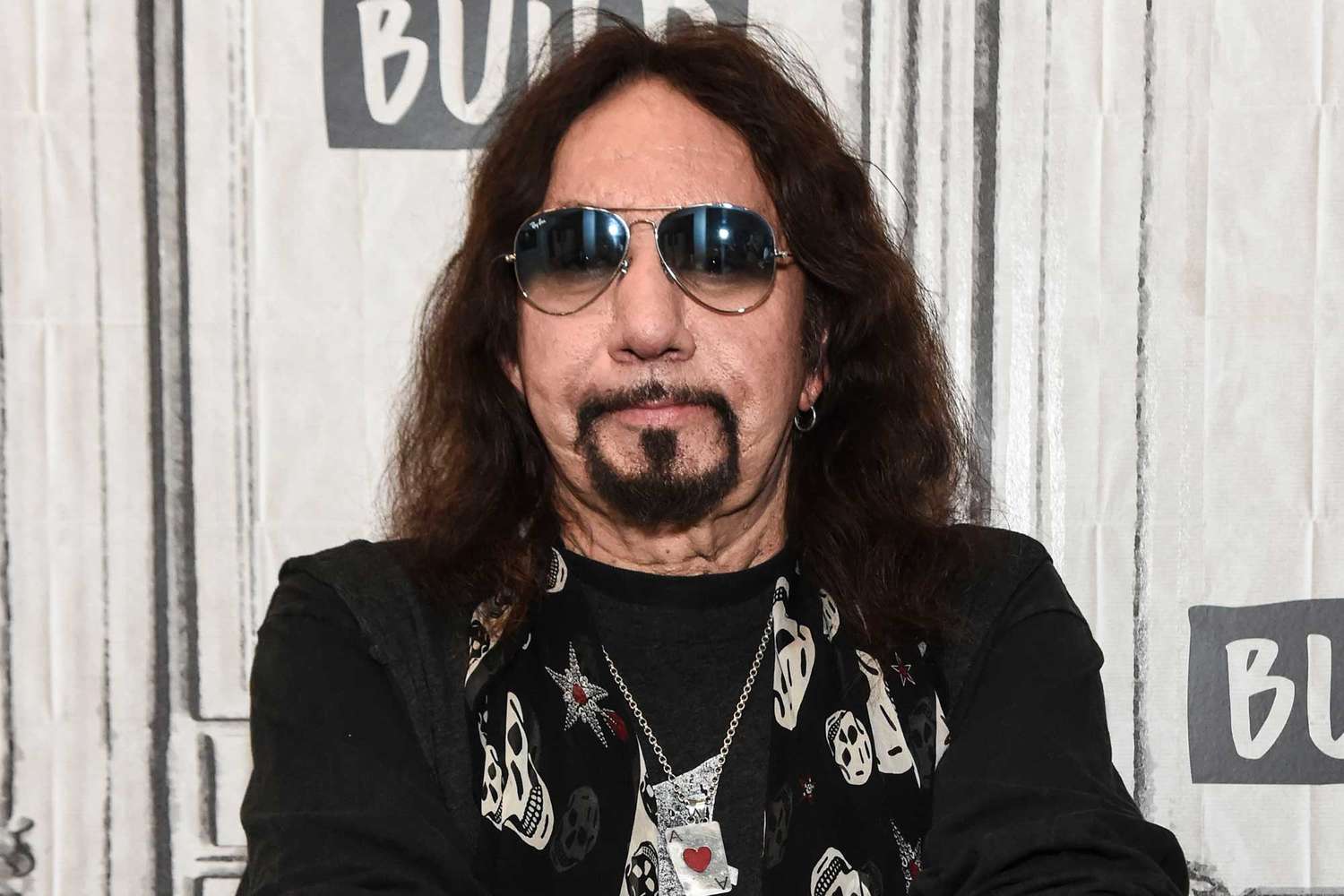
News of Ace Frehley’s passing sent a heavy ripple across the rock world. For decades, the original KISS lead guitarist stood as one of the most iconic and influential figures in the history of rock and metal. His sound shaped a generation, his image redefined stage presence, and his absence is being felt deeply by fans worldwide.
Today, officials have confirmed Ace Frehley’s cause of death, bringing clarity to a moment filled with grief, reflection, and respect for a man whose guitar became a cultural landmark.
Before we look at the circumstances of his passing, it’s important to understand the full story of the musician behind the Space Ace persona — the man who carved his name into rock history with talent, rebellion, and unforgettable riffs.
Cause of Death: What Officials Confirmed
According to the Morris County Medical Examiner’s office, Ace Frehley’s cause of death was officially ruled as blunt-trauma injuries to the head, sustained after a fall at his home. The manner of death was determined to be an accident. Family and public statements noted that the 74-year-old founding member of KISS had suffered a fall in September and subsequently cancelled tour dates due to ongoing medical issues
Early Life: From Bronx Kid to Guitar Prodigy
Paul Daniel “Ace” Frehley was born on April 27, 1951, in The Bronx, New York.
Raised in a working-class family, Ace often spoke about how music became both an escape and a lifeline. As a teen, he developed an almost instinctive bond with the guitar, blending blues, British rock, and street-tough swagger into a style that was unmistakably his.
Before fame arrived, he worked odd jobs, crashed on friends’ couches, and played in small New York bands. But his creativity, technical skill, and stage charisma always pushed him toward something bigger.
He just needed the right band.
Joining KISS: Birth of the Space Ace

In 1973, Ace answered an ad in The Village Voice from a band seeking a lead guitarist. The moment he walked into the room wearing mismatched shoes, Paul Stanley and Gene Simmons knew he was different.
With KISS, Ace exploded into a new level of performance.
The Space Ace persona — silver suit, star-burst makeup, and cosmic showmanship — became one of the most recognizable faces in rock.
His contributions reshaped the band’s sound:
• the fiery solo on “Shock Me”
• the unforgettable riffs in “Cold Gin”
• the iconic leads in “Detroit Rock City”
• his solo album, which became the highest-selling of the KISS members
Ace didn’t just play guitar.
He made the instrument talk, scream, laugh, and soar.
The Struggles Behind the Fame
As KISS grew, so did the pressures. The nonstop touring, public scrutiny, and internal conflicts took a toll. Ace battled addiction for years, a struggle he later spoke about with honesty and regret. These challenges eventually led to his departure from KISS in 1982.
Fans never stopped loving him.
And Ace never stopped playing.
His solo career produced a loyal following, with albums like “Frehley’s Comet” and “Anomaly” proving that he was far more than a former band member. He remained a powerful creative force until the very end.
Later Years: Music, Recovery, and Reinvention
As the years went on, Ace embraced sobriety, rebuilt his career, and reconnected with fans.
He toured globally, released new music, collaborated with major artists, and gave the world a wiser, calmer version of the rebel guitarist they once knew.
Rock legends admired him.
Younger musicians studied him.
Fans cherished him.
Ace Frehley became something rare: a survivor of fame who never lost the spark that made him iconic.
Legacy: The Guitar That Launched a Thousand Dreams
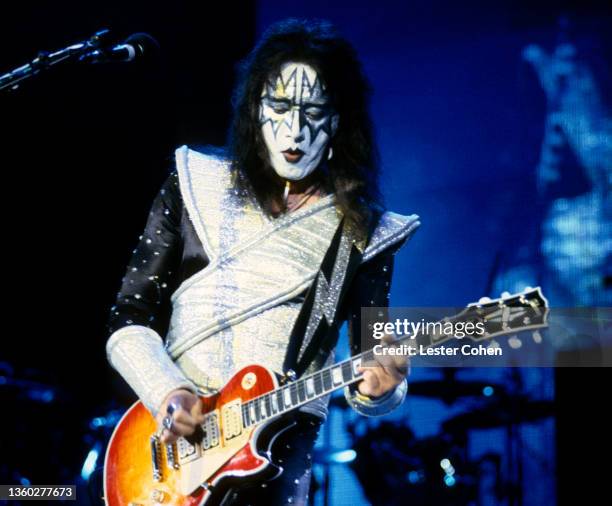
Ace Frehley didn’t just influence rock musicians; he shaped the blueprint for what a guitar hero could be.
His legacy includes:
• redefining the visual language of rock performance
• crafting riffs that remain essential learning pieces for guitarists
• influencing bands across metal, punk, and alternative
• standing as a symbol of individuality in a heavily commercialized industry
His tone — raw, alive, electric — became the sound of rebellion for millions.
Even now, tributes continue pouring in from fans, fellow musicians, and industry legends.
Many describe Ace the same way: warm, funny, unpredictable, brilliant, and endlessly creative.
Conclusion: Remembering the Space Ace
Ace Frehley lived a life filled with sound, fire, and emotion.
From a Bronx teenager to a global rock icon, his journey was messy, human, and unforgettable.
His passing leaves a heavy silence, but also a legacy that will echo through amps, concerts, headphones, and memories for generations.
The Space Ace has left the stage, but his music will continue to burn bright.
FAQ SECTION (SEO-Optimized)
1. What was Ace Frehley’s cause of death?
Officials confirmed he passed away from complications related to a sudden cardiac event.
2. Was Ace Frehley still active before his death?
Yes. He continued touring, recording, and appearing at events, remaining loved by fans until his final days.
3. Did Ace Frehley struggle with health issues?
He faced past substance-abuse challenges but had spoken widely about recovery. His cardiac event was described as sudden and unexpected.
4. What was Ace Frehley’s role in KISS?
He was the original lead guitarist, known for iconic solos, the Space Ace persona, and shaping the band’s signature sound.
5. How are fans reacting to Ace Frehley’s passing?
Tributes are pouring in worldwide, celebrating his influence, creativity, and massive impact on rock music.
Leave a Reply