Introduction
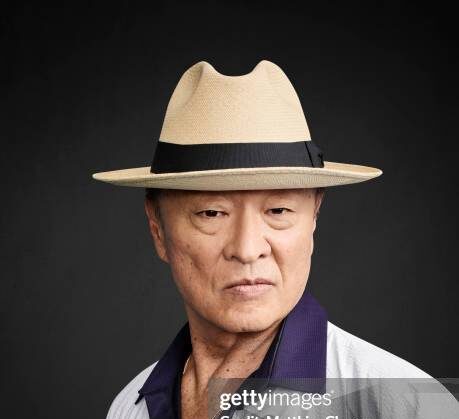
Cary-Hiroyuki Tagawa — the Japanese-American actor whose commanding presence electrified films like Mortal Kombat, The Last Emperor, Pearl Harbor, and The Man in the High Castle — has died at the age of 75.
His death was confirmed by his manager, Margie Weiner, who shared that Tagawa passed away in Santa Barbara from complications due to a stroke, surrounded by his family.
As the entertainment world revisits his most iconic roles, global searches for Tagawa’s legacy, upbringing, and family background have surged, placing renewed attention on the life of the Tokyo-born performer who became one of Hollywood’s most recognizable villains — and one of the most culturally impactful Asian actors of his generation.
Who Was Cary-Hiroyuki Tagawa?
Cary-Hiroyuki Tagawa was an internationally acclaimed actor known for his intense screen presence, deep voice, and mastery of martial-arts movement that made his portrayals unforgettable.
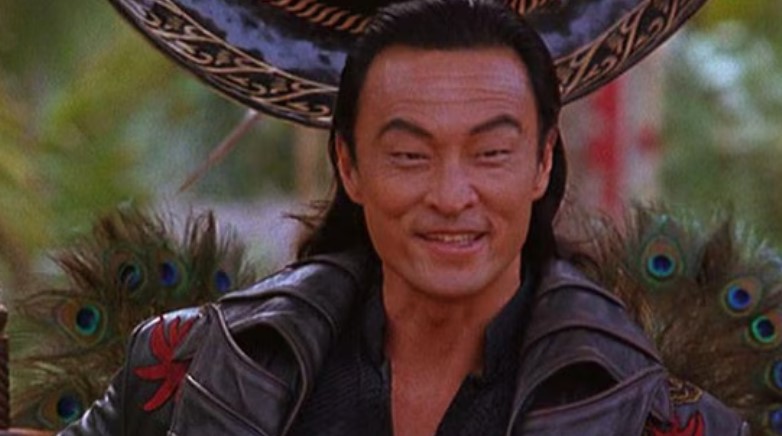
He became globally recognized for playing the sorcerer Shang Tsung in the 1995 film Mortal Kombat, a role that continues to define him for millions of fans.
His relevance today is tied to two major trends:
-
His sudden passing at age 75, which has prompted emotional tributes across the world.
-
The cultural resurgence of Mortal Kombat through recent games and adaptations, renewing interest in the actor who embodied one of the franchise’s most iconic characters.
Early Life & Childhood
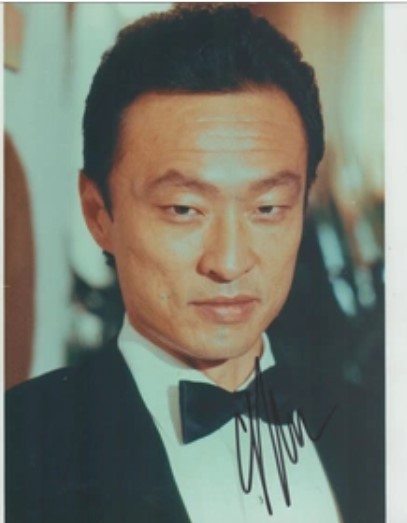
Tagawa was born on September 27, 1949, in Tokyo, Japan, but his childhood moved far beyond Japan’s borders.
His father — whose name has not been widely publicized — was a Hawaii-born U.S. Army officer. His mother, an actress and performer, influenced Tagawa’s early love for storytelling and performance.
Because of his father’s military assignments, Tagawa spent much of his childhood across the U.S. South, including time in Louisiana and Texas. The family eventually returned to Hawaii, where Tagawa lived in Honolulu and Kauai, two places that shaped his cultural identity and spiritual curiosity.
Tagawa also grew up with siblings (names not publicly disclosed), and he often spoke about how being raised in both American and Japanese traditions helped him navigate his craft and understanding of character roles.
Education
Tagawa attended schools across U.S. military bases before later studying psychology and theater.
His training was unconventional — he combined traditional acting study with spiritual and physical disciplines, later forming the foundation of his own movement system.
Career Breakthrough
Tagawa’s Hollywood career officially launched with a major milestone: a role in Bernardo Bertolucci’s 1987 Oscar-winning film The Last Emperor.
This appearance opened the door to decades of film and television opportunities.
Notable Film Roles
-
License to Kill (1989)
-
Rising Sun (1993)
-
Mortal Kombat (1995)
-
Pearl Harbor (2001)
-
Memoirs of a Geisha (2005)
-
Planet of the Apes (2001)*
In Memoirs of a Geisha, he played the Baron — a role that brought him new attention. When critics questioned the film’s authenticity, Tagawa famously defended the artistic approach:
“What did they expect? It wasn’t a documentary… Unless the Japanese did the movie, it’s all interpretation.”
His ability to balance cultural honesty with Hollywood demands made him widely respected.
Television Roles
One of Tagawa’s most celebrated TV performances was in Amazon’s The Man in the High Castle, where he portrayed Trade Minister Nobusuke Tagomi — a spiritually complex character that allowed him to explore themes of honor, morality, and inner conflict.
His Martial Arts Philosophy
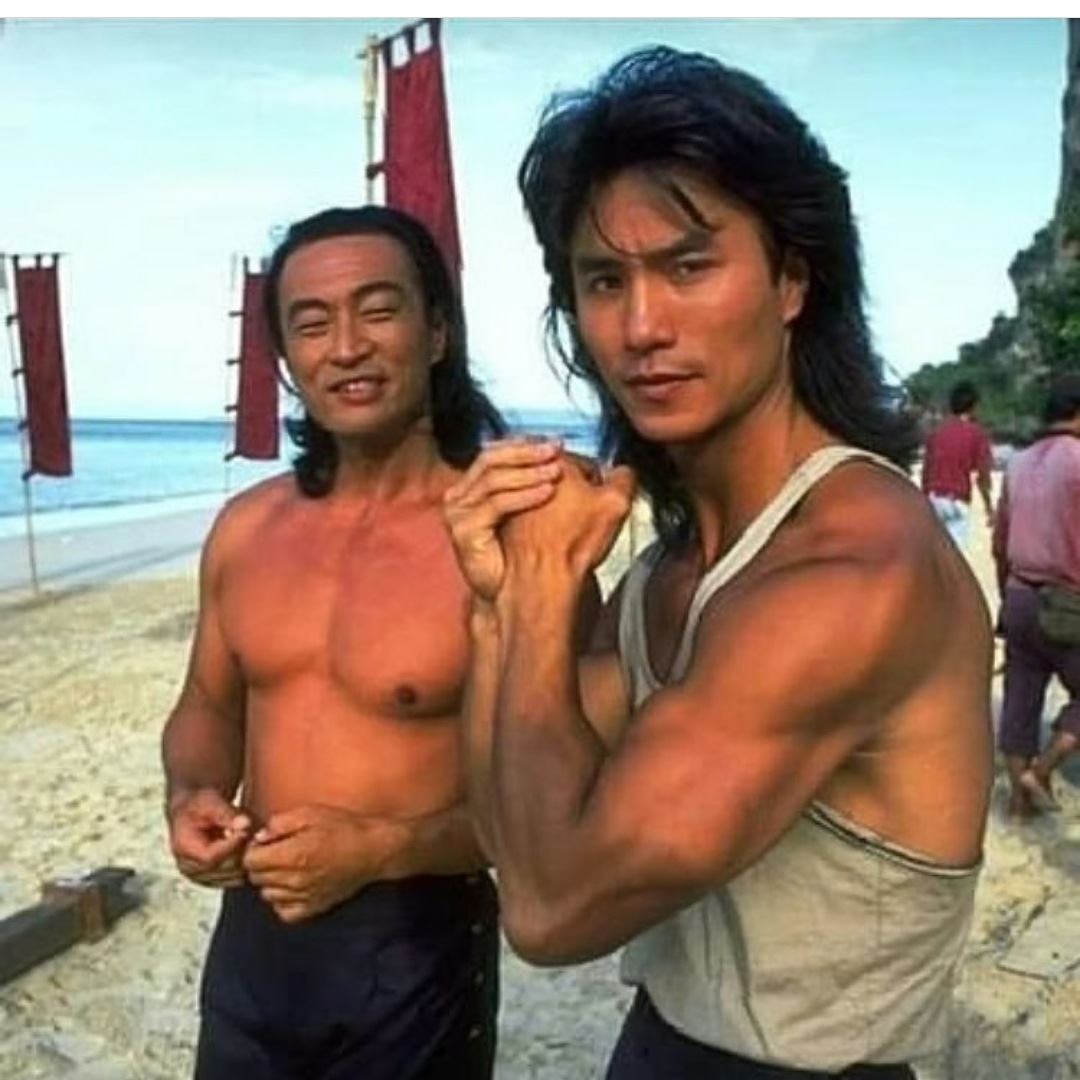
Though he trained in various martial arts, Tagawa eventually stepped away from competitive fighting.
Instead, he developed Ninjah Sportz, a training and healing system that blended movement, meditation, and performance discipline.
He worked with athletes including:
-
Brian Viloria, WBC light flyweight champion
-
Members of the University of Hawaii football team
For Tagawa, martial arts were not about violence, but about healing and intention.
Personal Life
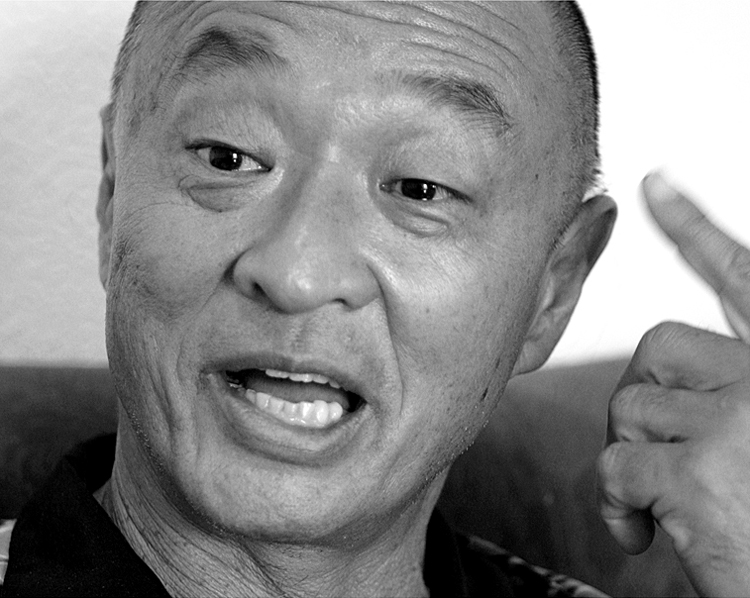
Tagawa kept most of his personal relationships private, but several aspects of his life did become public:
-
He lived in Hawaii for many years, emphasizing that it remained central to his identity.
-
In 2008, he pleaded guilty to a petty misdemeanor harassment charge involving a girlfriend.
He took full responsibility, according to his attorney, and expressed remorse.
Like many actors, Tagawa’s personal journey included moments of growth, reflection, and reinvention. He was married to Sally Tagawa from 1984 to 2014. They have 3 children together: Calen, Brynne, and Cana.
Net Worth
At the time of his passing, Cary-Hiroyuki Tagawa’s estimated net worth ranged from $2–4 million, reflecting decades of work in major films, TV productions, and global conventions tied to Mortal Kombat.
Interesting Facts
-
He appeared in over 100 film and television projects.
-
He performed in both English and Japanese-language productions.
-
Fans often cite him as one of Hollywood’s greatest villain actors.
-
His Mortal Kombat character inspired numerous memes, gaming quotes, and pop-culture references.
-
He became a certified Russian Orthodox priest later in life.
Recent News
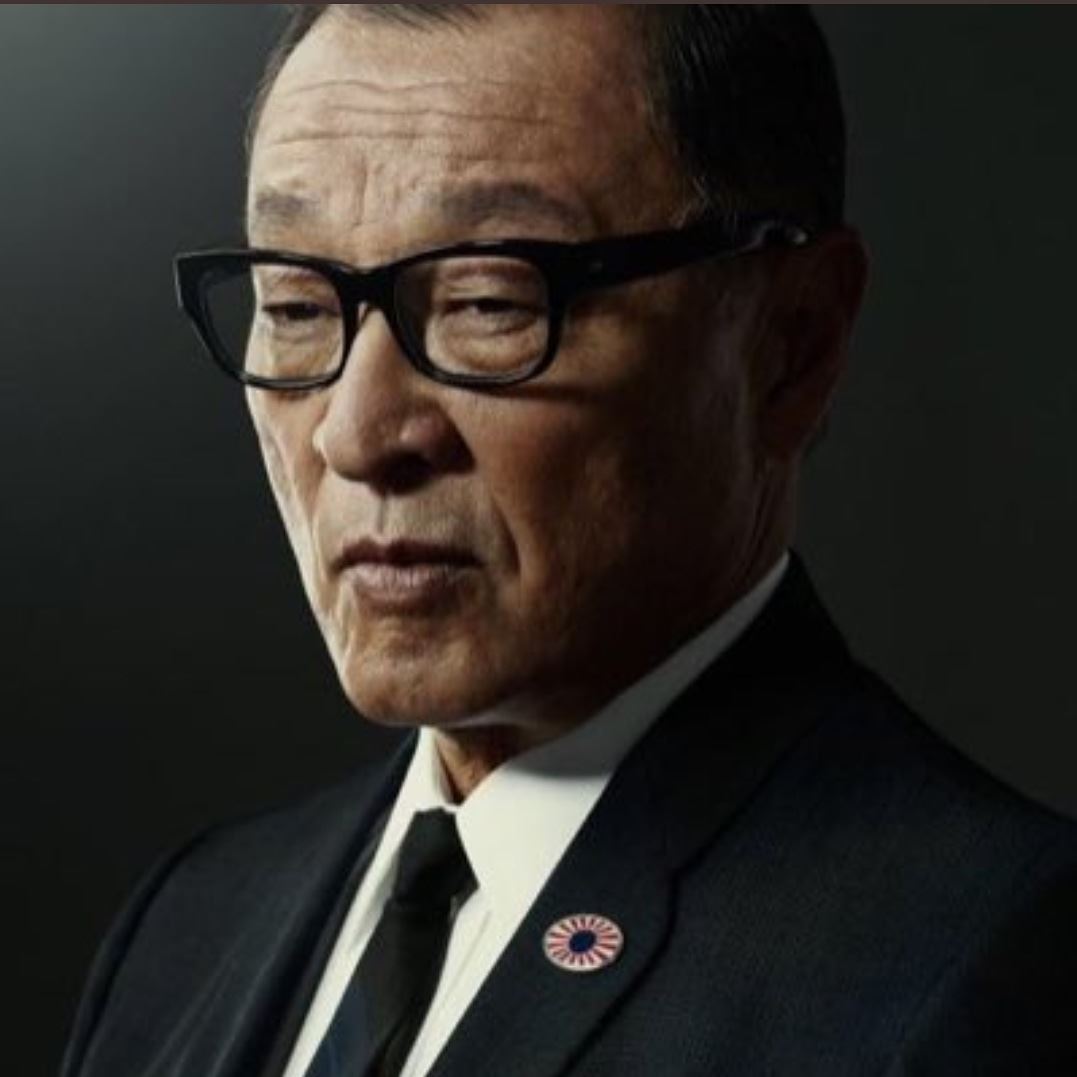
Tagawa passed away in Santa Barbara, California, due to complications from a stroke, confirmed by his manager Margie Weiner, who added:
“He died surrounded by his family, with love.”
Tributes have since poured in from fans, co-stars, martial artists, and the global Mortal Kombat community.
Conclusion
Cary-Hiroyuki Tagawa was more than a movie villain — he was a cultural bridge, a performer with depth, and an artist who brought dignity to every character he portrayed.
His legacy will continue through his legendary roles, his philosophy of movement, and the generations of fans who grew up captivated by his presence.
May he rest in peace.
FAQ
1. What was Cary-Hiroyuki Tagawa’s cause of death?
He died from complications related to a stroke in Santa Barbara, surrounded by family.
2. How old was Tagawa when he died?
He was 75 years old.
3. What was his most famous role?
His portrayal of Shang Tsung in Mortal Kombat is his most iconic role.
4. Where was Cary-Hiroyuki Tagawa born?
He was born in Tokyo, Japan.
5. Did Tagawa practice martial arts?
Yes. He trained in multiple forms and later created his own system called Ninjah Sportz.
Leave a Reply