Introduction
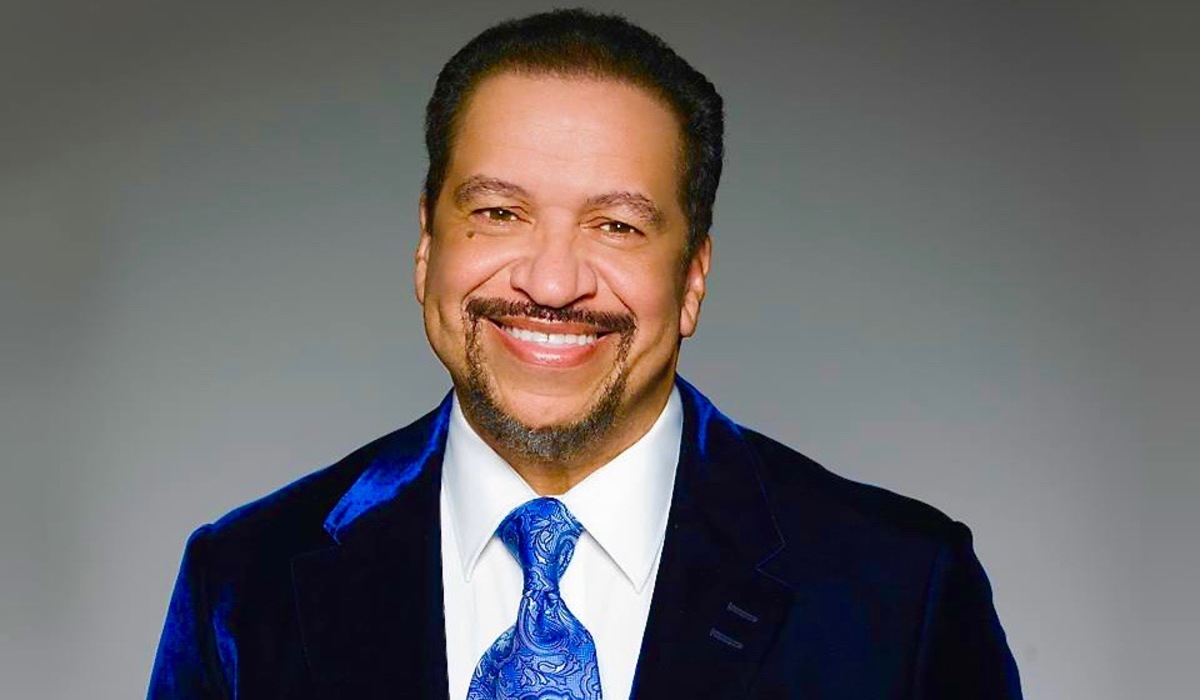
Richard Smallwood was not just a gospel singer or composer — he was a spiritual architect whose music reshaped modern gospel for more than five decades. A classically trained musician with an unmistakable sound, Smallwood blended sacred tradition with orchestral depth, creating worship anthems that crossed generations, denominations, and even genres.
Following news of Richard Smallwood’s death at age 77 from complications of kidney failure, renewed attention has turned to the life, faith, and legacy of a man whose music became the soundtrack of praise for millions around the world.
Who He Was
Richard Smallwood was a Grammy-winning, eight-time Grammy-nominated gospel composer, pianist, producer, and choir director. He is best known for writing some of the most enduring songs in gospel music history, including “Total Praise,” “I Love the Lord,” “Center of My Joy,” and “Anthem of Praise.”
His compositions were known for their emotional honesty, theological depth, and classical complexity — qualities that set him apart as a once-in-a-generation musical mind.
Why Richard Smallwood Is Relevant Now

Richard Smallwood is trending globally following his death on December 30, 2025, at the Brooke Grove Rehabilitation and Nursing Center in Maryland, where he was receiving care. His passing prompted an outpouring of tributes from the gospel community, major artists, and fans whose lives were shaped by his music.
While the news has drawn attention to his cause of death, the deeper story is the extraordinary legacy he leaves behind.
Early Life & Childhood
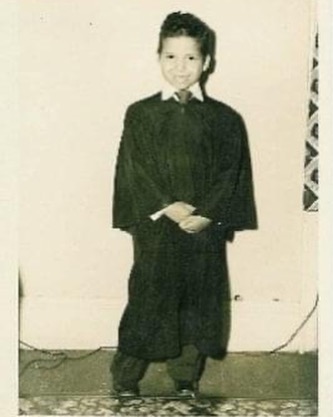
Richard Morris Smallwood was born on November 30, 1948, in Atlanta, Georgia, and raised in Washington, D.C.
A musical prodigy, he began playing the piano at age five. By age 11, he had already formed his first gospel group, demonstrating an early calling that would define his life’s work.
Music was not a hobby for Smallwood — it was a vocation rooted in faith.
Family Background, Parents & Siblings
Richard Smallwood was born to:
-
Father: Chester R. Smallwood
-
Mother: Mabel R. Smallwood
He was survived by his sisters Lucy Smallwood and Delores Smith.
He was preceded in death by:
-
His brother Robert Smallwood
-
His sister Faith Smallwood
-
His brother Herbert Smallwood
-
His half-brother Carlton Glass
Though intensely private about his family, Smallwood often spoke of faith, discipline, and upbringing as foundational to his spiritual worldview.
Education
Smallwood studied music at Howard University, one of the most prestigious historically Black universities in the United States.
While at Howard, he founded The Celestials, the university’s first gospel ensemble, marking the beginning of his influence as both a composer and choral director.
Career or Profession

In 1977, Smallwood founded The Richard Smallwood Singers. Their debut album, released in 1982 on Onyx Records, stayed on the Billboard Spiritual Album Sales chart for 87 weeks — a rare achievement.
His 1984 album Psalms earned him his first Grammy nomination.
In the early 1990s, he formed Vision, a choir that became synonymous with his sound and remained active until 2015.
Over his career, Smallwood received:
-
Eight Grammy nominations
-
Multiple Stellar Awards
-
Dove Awards
-
Induction into the Gospel Music Hall of Fame (2006)
He also won a Grammy for his production work on Quincy Jones’ Handel’s Messiah: A Soulful Celebration.
Connection to Major Artists (Cultural Impact)
Smallwood’s music reached far beyond church walls.
-
Whitney Houston famously covered “I Love the Lord” for The Preacher’s Wife soundtrack.
-
Destiny’s Child performed “Total Praise” in their 2007 Gospel Medley.
-
Boyz II Men incorporated “I Love the Lord” into “Dear God.”
Recently, following news of his death, many of these performances have resurfaced, reminding audiences how deeply Smallwood’s work shaped mainstream music.
Personal Life / Health
In his later years, Richard Smallwood faced significant health challenges.
He lived with long-term kidney disease and was later diagnosed with mild dementia, which gradually led him to step away from recording and live performances.
Despite declining health, his faith remained central to his identity.
Net Worth
At the time of his death, Richard Smallwood’s estimated net worth was $10 million, earned through decades of:
-
Music royalties
-
Album sales
-
Concerts
-
Choir productions
-
Film and television placements
In 2019, he published his autobiography, Total Praise: The Autobiography, offering an intimate look into his spiritual journey and personal struggles.
Cause of Death

Richard Smallwood died on December 30, 2025, at the age of 77, due to complications from kidney failure.
His death was confirmed by his publicist and multiple media outlets. He passed peacefully while under medical care in Maryland.
Interesting Facts About Richard Smallwood
-
Began playing piano at age five
-
Founded Howard University’s first gospel ensemble
-
His songs are staples at funerals, graduations, and worship services worldwide
-
Balanced classical composition with Black gospel traditions
-
Believed music should “carry both truth and beauty”
Recent News or Updates
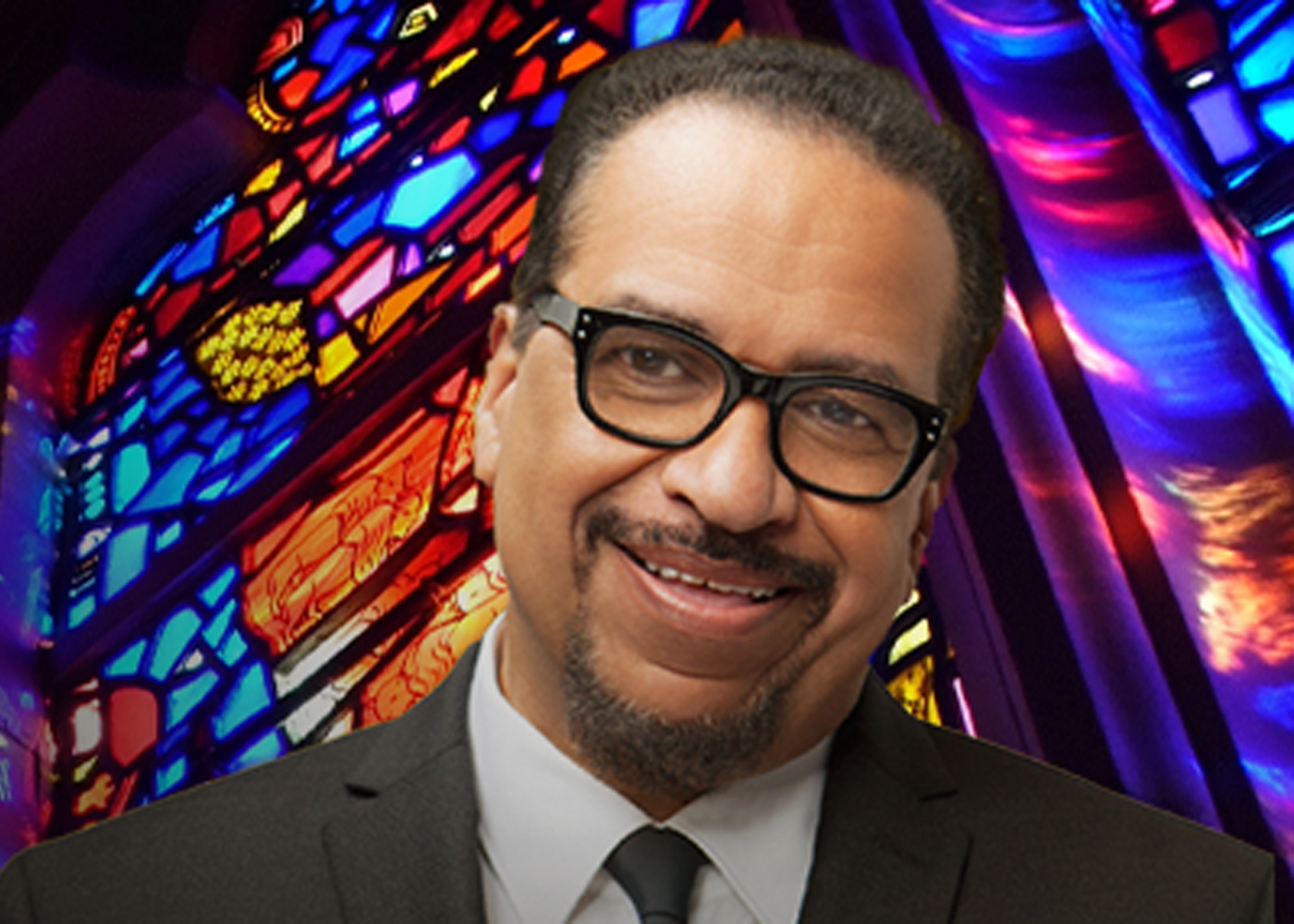
Following Richard Smallwood’s death, tributes poured in from gospel artists, choirs, and churches worldwide, honoring him as a musical visionary and spiritual teacher whose work will endure long after his passing.
Conclusion
Richard Smallwood didn’t chase trends — he created timeless worship.
His music gave voice to grief, hope, gratitude, and unshakable faith. While his death marks the end of an era, his compositions continue to echo in sanctuaries, concert halls, and hearts across the globe.
Richard Smallwood is gone — but his praise lives on.
FAQ
What did Richard Smallwood die of?
He died from complications related to kidney failure.
How old was Richard Smallwood when he died?
He was 77 years old.
What are Richard Smallwood’s most famous songs?
Total Praise, I Love the Lord, Center of My Joy, and Anthem of Praise.
Did Richard Smallwood win a Grammy?
Yes, he won a Grammy for his production work and received eight nominations.
Who were Richard Smallwood’s parents and siblings?
His parents were Chester R. Smallwood and Mabel R. Smallwood. He is survived by sisters Lucy Smallwood and Delores Smith.
Leave a Reply