Introduction
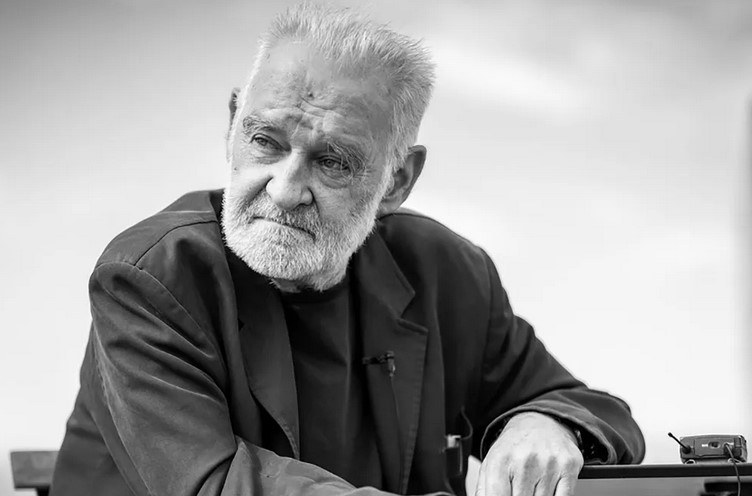
Béla Tarr was not a filmmaker who chased popularity.
He was a filmmaker who reshaped the language of cinema itself.
The celebrated Hungarian director, best known for Sátántangó and The Turin Horse, has died at the age of 70 after a long and serious illness, according to the Hungarian Filmmakers’ Association. His passing has prompted renewed global attention on a body of work that was demanding, uncompromising, and profoundly influential.
As film festivals, critics, and cinephiles reflect on his legacy, Béla Tarr’s life stands as a testament to artistic integrity over commercial success.
Early Life & Childhood
Béla Tarr was born in 1955 in Pécs, a city in southern Hungary. He grew up during the height of Hungary’s socialist era, a period that would deeply inform the bleak atmospheres and moral exhaustion depicted in his films.
From an early age, Tarr was drawn to storytelling that reflected ordinary lives under systemic pressure. Unlike many directors who arrived at cinema through academic pathways, Tarr’s early work was fueled by observation, political awareness, and lived experience.
Family Background, Parents & Siblings
Béla Tarr was born to Mária Tarr and Béla Tarr Sr.
Public information about siblings has remained limited, consistent with Tarr’s lifelong separation between private life and public art.
His family background, rooted in working- and middle-class Hungary, strongly shaped his empathy for marginalized characters and decaying communities — a recurring theme throughout his filmography.
Education
Tarr did not follow a conventional elite film-school trajectory at the beginning of his career. Instead, he developed his voice through practical filmmaking, experimentation, and close collaboration with writers, editors, and cinematographers.
Later in life, he would become an educator himself, mentoring young filmmakers across Europe and Asia.
Career or Profession
Early Career Breakthrough
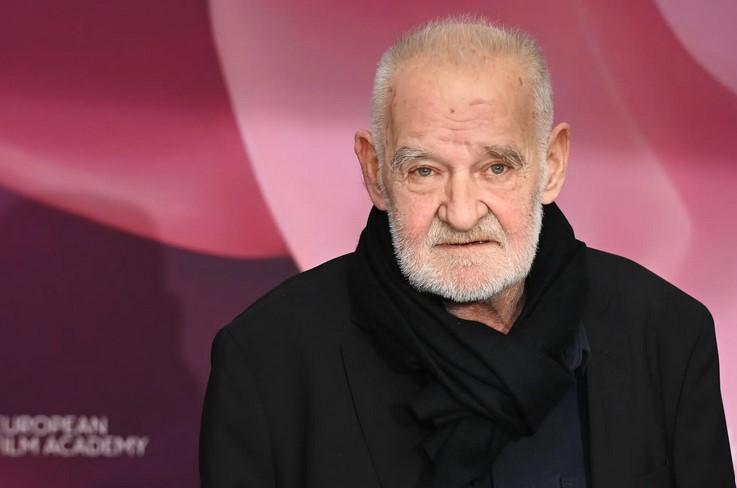
Béla Tarr completed his first feature film, Family Nest, in 1979, when he was just 23 years old. The film won the Grand Prize at the Mannheim-Heidelberg International Film Festival, immediately establishing him as a formidable new voice in European cinema.
From that moment, Tarr committed to a filmmaking style that rejected speed, spectacle, and narrative convenience.
Signature Style
Tarr became globally known for:
-
Stark black-and-white cinematography
-
Extremely long, unbroken takes (often exceeding 10 minutes)
-
Minimal dialogue
-
Bleak, existential themes
-
A slow, hypnotic pacing that demanded patience
His most famous work, Sátántangó (1994), runs 439 minutes — over seven hours — and is widely regarded as one of the most important films ever made. It appeared on Sight & Sound’s Greatest Films of All Time lists in both 2012 and 2022.
Key Films
-
Family Nest (1979)
-
The Outsider (1981)
-
Damnation (1988)
-
Sátántangó (1994)
-
Werckmeister Harmonies (2000)
-
The Man from London (2007)
-
The Turin Horse (2011)
His final film, The Turin Horse, won the Silver Bear Jury Grand Prize at the Berlin International Film Festival and marked his retirement from feature filmmaking.
Collaboration With László Krasznahorkai
A defining creative relationship in Tarr’s career was his collaboration with Hungarian novelist László Krasznahorkai, who won the Nobel Prize in Literature in 2025.
Together, they adapted Krasznahorkai’s novels into films such as Sátántangó and Werckmeister Harmonies. Their partnership fused dense philosophical prose with visual austerity, creating works that felt both literary and cinematic.
Personal Life & Relationships
Béla Tarr was married to Ágnes Hranitzky from 1978 until his death in 2026.
Hranitzky was far more than a spouse — she was Tarr’s editor and principal collaborator, editing every one of his films from The Outsider onward. She received co-director credit on his final three features, underscoring her central role in shaping his cinematic language.
Later Years & Teaching
After releasing The Turin Horse in 2011, Tarr announced he would no longer direct feature films.
He relocated to Sarajevo, where he founded an international film academy called film.factory, mentoring students from around the world and producing their films. Though the school closed in 2016, its influence continues through the filmmakers he trained.
Tarr divided his later years between Sarajevo and Budapest.
Political Views
Tarr was outspoken in his criticism of nationalism and populist politics. He publicly condemned figures including Hungarian Prime Minister Viktor Orbán, as well as international leaders such as Donald Trump and Marine Le Pen.
In 2020, he supported students protesting government control of Hungary’s University of Theatre and Film Arts, reinforcing his belief that art must remain independent of political power.
Net Worth
Béla Tarr’s net worth was never publicly disclosed. His work prioritized artistic rigor over commercial success, and his films were primarily funded through European co-productions and cultural grants.
Interesting Facts About Béla Tarr
-
Sátántangó runs longer than most TV series seasons
-
Susan Sontag was one of his earliest champions
-
He influenced directors like Gus Van Sant and Jim Jarmusch
-
He officially retired from filmmaking at 56
-
Criterion Collection canonized his work during his lifetime
Recent News or Updates
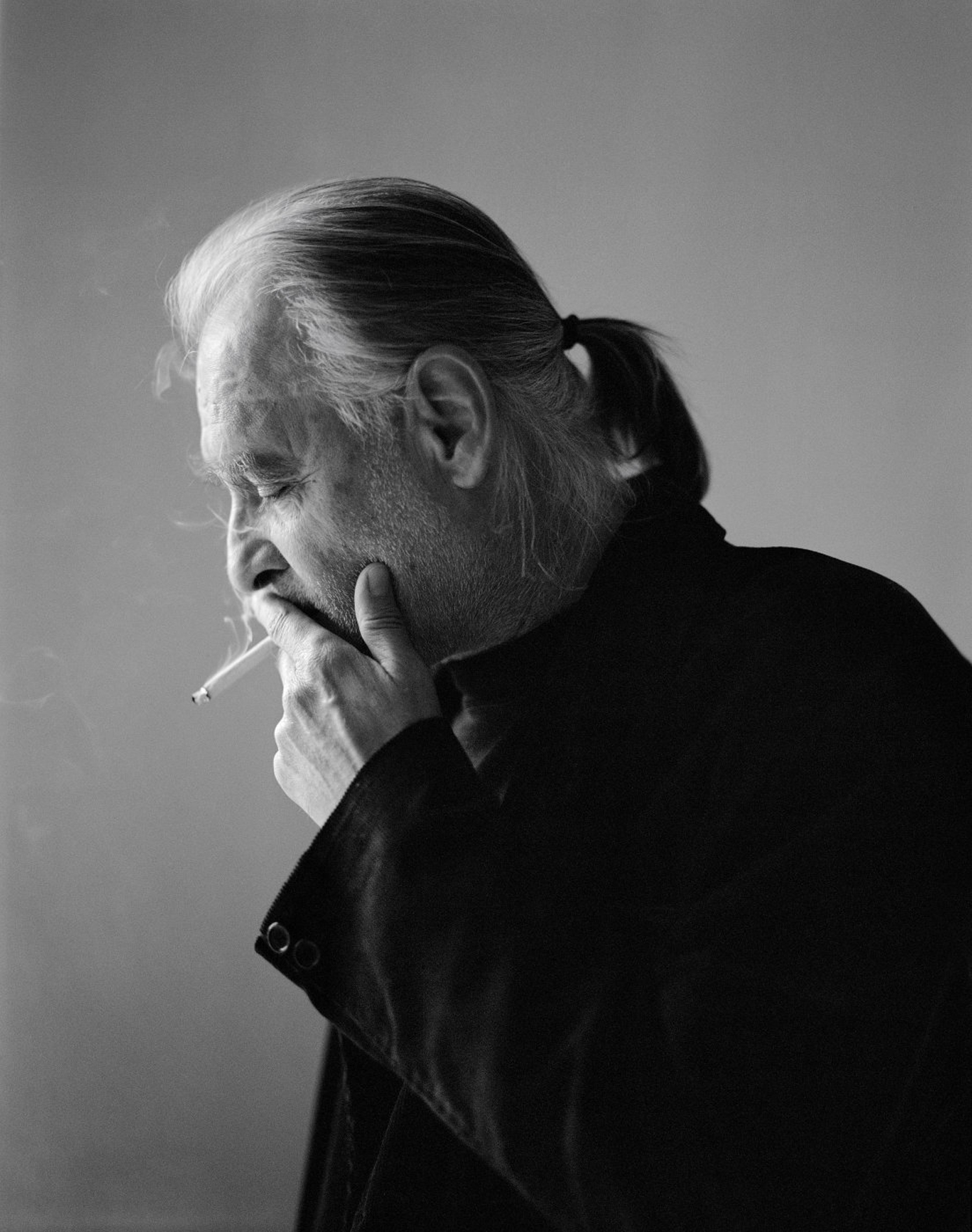
On January 6, 2026, the Hungarian Filmmakers’ Association confirmed that Béla Tarr had died after a long and serious illness. He was 70 years old.
Tributes have poured in from filmmakers, critics, and institutions worldwide, recognizing his role as one of cinema’s most uncompromising visionaries.
Conclusion
Béla Tarr did not make films to entertain.
He made films to confront, endure, and witness.
In an industry driven by speed and spectacle, Tarr insisted on stillness, patience, and moral gravity. His death marks the end of an era — but his films remain, challenging future generations to slow down and truly see.
FAQ
Who was Béla Tarr?
Béla Tarr was a Hungarian film director known for slow-paced, black-and-white films like Sátántangó and The Turin Horse.
How did Béla Tarr die?
He died after a long and serious illness, according to the Hungarian Filmmakers’ Association.
What was Béla Tarr’s most famous film?
Sátántangó (1994), a 7-hour epic widely regarded as one of the greatest films ever made.
Was Béla Tarr married?
Yes. He was married to editor and co-director Ágnes Hranitzky from 1978 until his death.
Why did Béla Tarr stop making films?
After The Turin Horse in 2011, Tarr said he had said everything he wanted to say through cinema.
Leave a Reply