Introduction
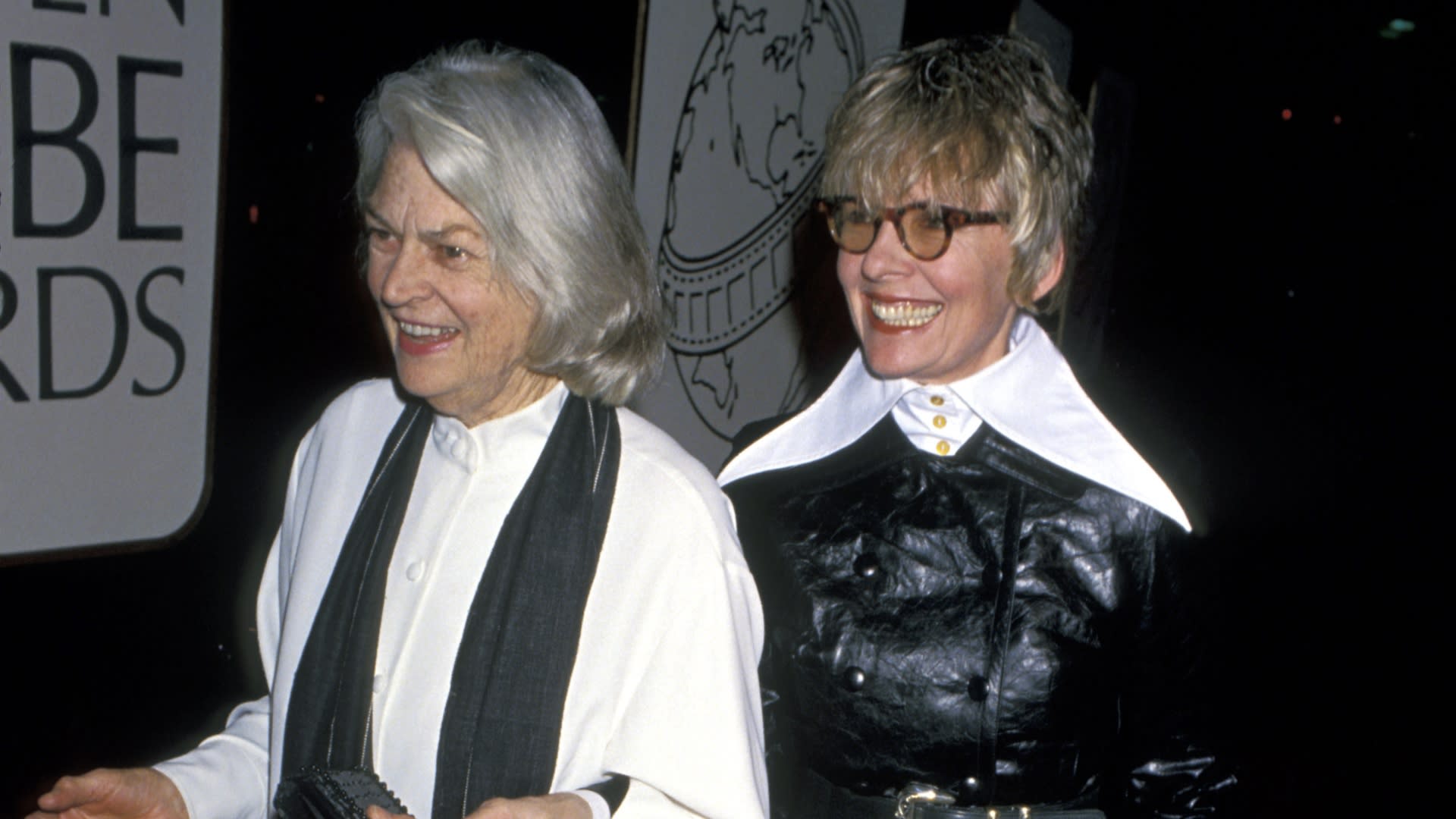
Dorothy Deanne Keaton Hall may not be a household name, but as the mother of Diane Keaton, she held one of the most influential roles in Hollywood history — the quiet architect behind a legend. Through her parenting, aesthetics, values, and private struggles, Dorothy shaped the emotional and artistic grounding from which Diane emerged. In the wake of Diane’s passing, Dorothy’s legacy demands fresh attention.
Early Life and Background
Dorothy Deanne (née Keaton) was born on October 31, 1921, in Winfield, Kansas. Her parents, Lemuel Roy Keaton and Beulah Evinger, moved west with young Dorothy; by age three, the family had settled in California.
Her upbringing bridged rural Kansas roots and the California frontier spirit. In those early years, Dorothy likely absorbed values of resourcefulness, observant curiosity, and a quiet aesthetic sensibility — qualities she later passed to her children. Details of her youth remain sparse, but Murphy in Diane’s memoir Then Again implies Dorothy carried diaries, letters, and a compulsion to record life’s small moments.
Family, Parents, and Siblings
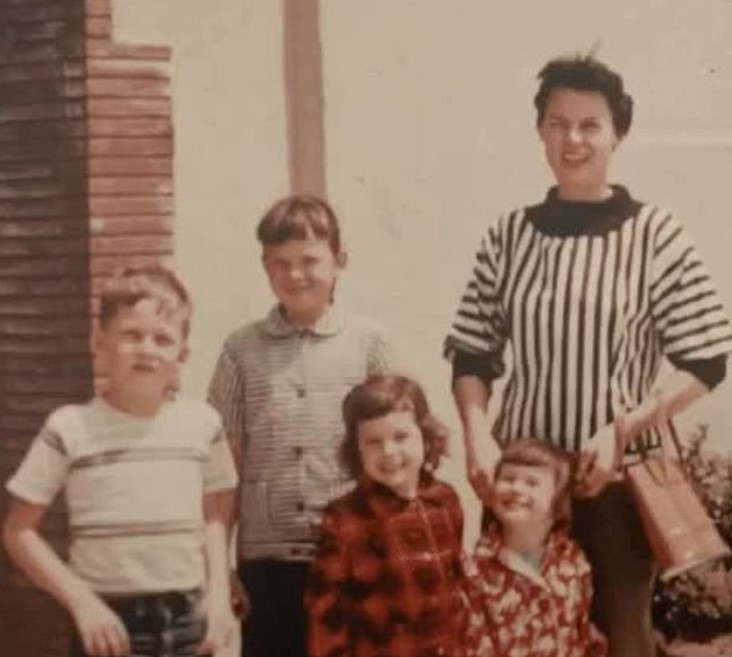
Dorothy’s lineage connects to the Keaton side — her maiden name became a lasting marker in Diane’s own chosen surname. She married Jack Hall (John Newton Ignatius Hall), a civil engineer and real estate professional, and they had four children: Diane, Randy, Dorrie, and Robin.
Her grandchildren are Dexter and Duke.
Within the Hall household, Dorothy handled emotional labor, domestic management, and preserved memory — scrapbooks, diaries, photographs. Diane often credits her mother’s quiet artistry and record-keeping as the seedbed of Diane’s own passions — photography, memoir, visual memory.
As siblings’ lives diverged — one to fame, one to hidden struggles, others to privacy — Dorothy remained a steady center. Her role was less glamour, more guardian.
Education
Public sources provide no confirmed records of Dorothy Deanne Keaton’s formal higher education. Her early relocation and family responsibilities likely limited advanced schooling. Many accounts identify her as a homemaker and amateur photographer, indicating her training was self-directed, lived, and intuitive rather than institutional.
That said, her intellectual imprint on Diane suggests Dorothy read, wrote, and observed with a practiced eye. Diane references her mother’s diaries and journals as source material for her own interpretive writing.
Career or Profession
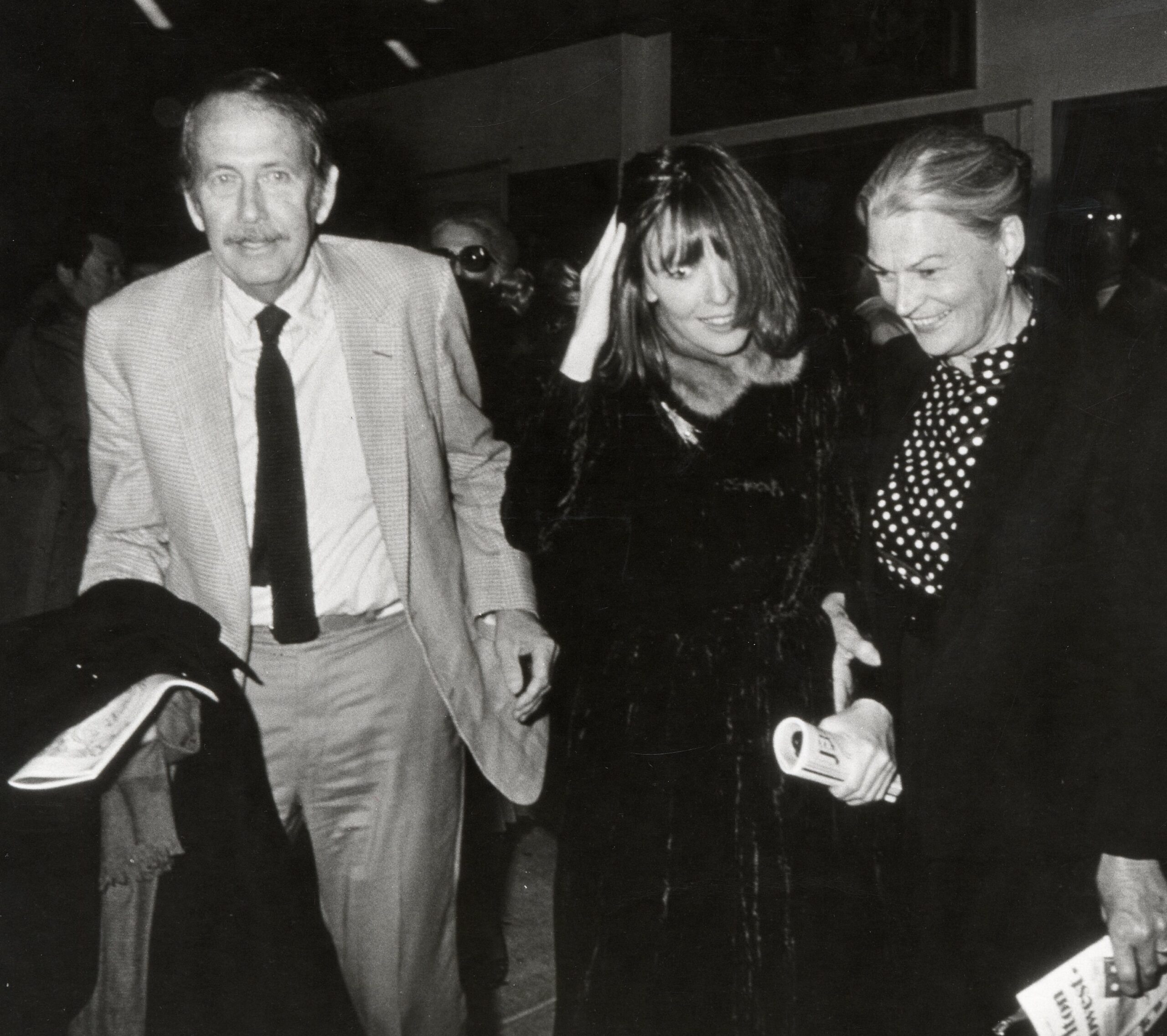
Dorothy’s publicly recorded “profession” is that of homemaker and amateur photographer. She did not pursue formal employment outside the home, but her creative work — journaling, collecting memories, photography — was a hidden craft. Diane has said her mother shot volumes of personal photographs, preserved letters, and collages — an archival impulse that influenced Diane’s later visual and memoiristic pursuits.
Some sources (including local newspaper archives) refer to Dorothy’s participation in homemaker pageants, such as winning “Mrs. Los Angeles,” a title that introduced theatricality and public presentation into the family’s narrative.
While she did not build a commercial career, Dorothy’s artistry lay in memory, in the domestic canvas, in raising souls.
Relationship or Personal Life
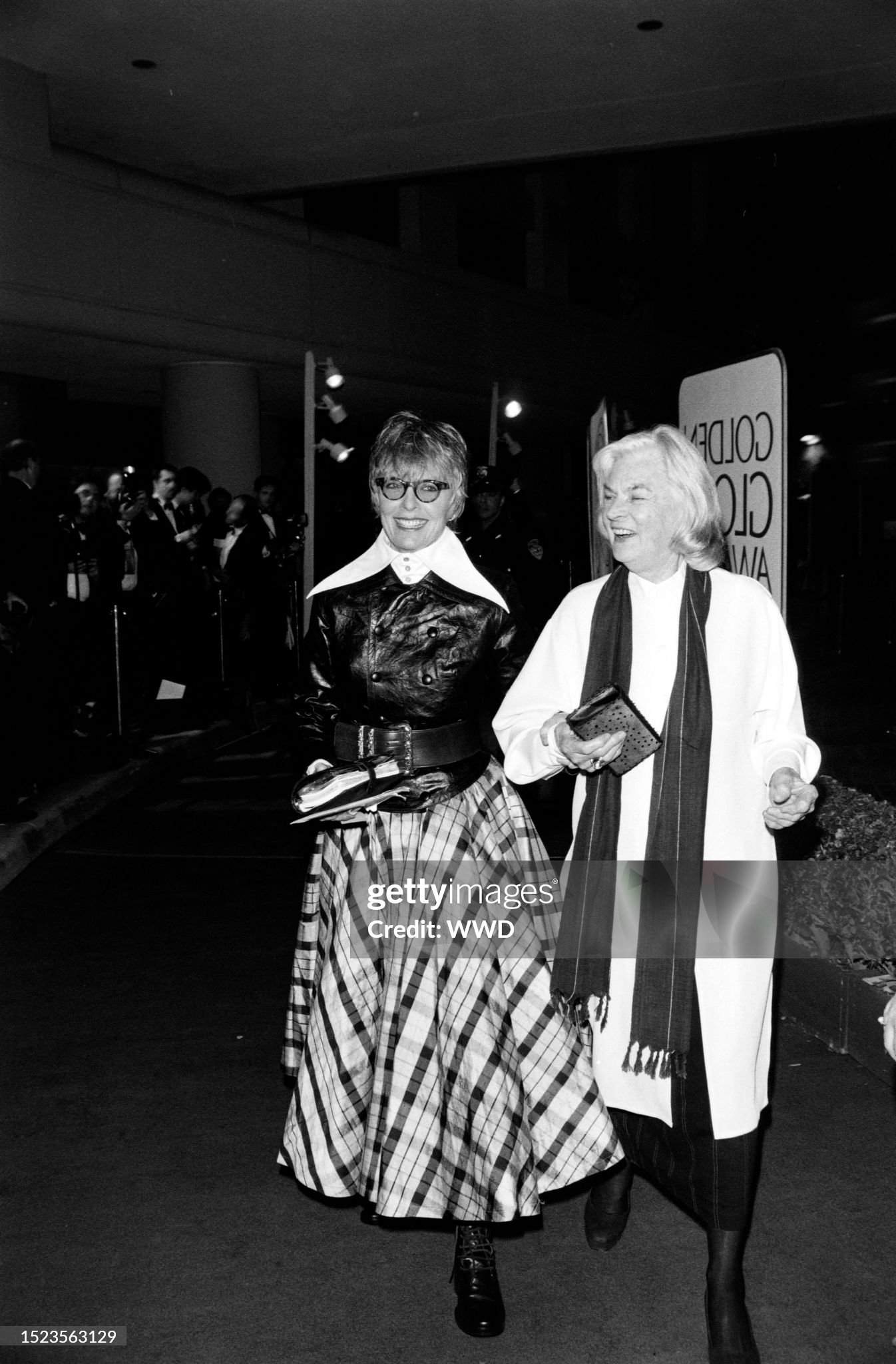
Dorothy and Jack Hall married and forged a partnership that balanced his professional work with her domestic artistry. They raised four children with love, firmness, and cultural curiosity. Diane has spoken of her mother’s Methodist faith and philanthropic instincts.
In later life, Dorothy developed Alzheimer’s disease. Diane has written publicly about caring for her mother during her decline, about encountering her mother’s diaries — fragments, scrambled memory — and using those traces to sustain connection.
Dorothy passed away on September 18, 2008, in Orange County, California.
Net Worth
Dorothy likely did not accumulate significant personal wealth independent of family assets. Her role as homemaker, combined with the era’s gender norms, meant her economic contributions were indirect and internal.
Her lasting “wealth” was cultural and emotional — in the mindsets she gave her children, in the photographs and journals, and in the legacy of curiosity and memory that Diane carried outward to global audiences.
Interesting Facts
-
Dorothy reportedly won a “Mrs. Los Angeles” pageant — a homemaker competition — before Diane’s birth. Diane has said that witnessing her mother step onto a stage in that contest sparked her early sense of theatrical possibility.
-
Diane credits Dorothy with teaching her to see the world visually — to preserve images, to linger in detail, to treat memory as material.
-
Dorothy gathered diaries, letters, photos — reportedly thousands of pages of personal archive. Diane referenced these in Then Again as source materials.
-
During Dorothy’s dementia phase, Diane visited regularly, read from her mother’s old journals, tried to “reconnect” through interior fragments of memory. Those caregiving years shaped Diane’s contemplative life.
Social Media Presence
Dorothy Deanne Keaton Hall died in 2008, well before widespread social media. She has no known digital footprint. Her presence now lives in Diane’s memoirs, interviews, and the archive of photos Diane shares.
Her legacy persists in the motifs Diane uses — diaries, vintage imagery, memory, photography.
Recent News or Updates
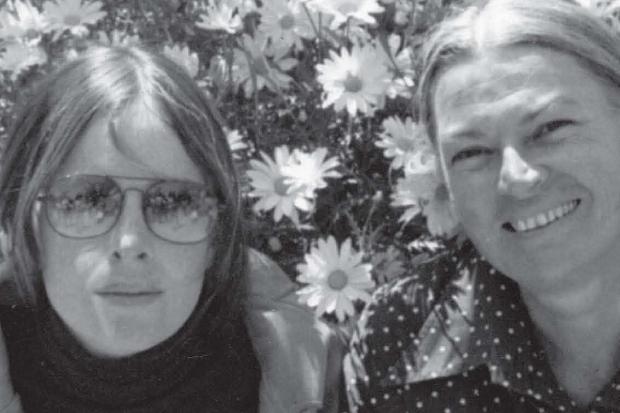
With Diane Keaton’s passing on October 11, 2025, media retrospectives often circle back to Dorothy as foundational — the woman whose tastes, journals, and ethos shaped Diane’s sensibility.
Tributes frequently mention Dorothy’s influence on Diane’s visual and narrative voice. For example, recent articles highlight how Diane’s style and artistic choices nod to her mother’s early photographic eye and memory-keeping.
Dorothy’s story, once private, now surfaces as a deeper layer in Diane’s public remembrance.
FAQ — Frequently Asked Questions
Q: Who was Dorothy Deanne Keaton Hall?
A: She was Diane Keaton’s mother, a homemaker, amateur photographer, memory preserver, and maternal influence.
Q: When and where was Dorothy born?
A: October 31, 1921, in Winfield, Kansas.
Q: What did Dorothy do professionally?
A: She did not have a formal public career; her creative pursuits were private — photography, diary, archiving.
Q: How did Dorothy influence Diane Keaton?
A: She inspired Diane’s visual sensibility, love of memory, photography, diary-keeping, and the emotional foundation of her artistic voice.
Q: When did Dorothy die?
A: Dorothy passed away September 18, 2008, in Orange County, California.
Q: Is Dorothy Deanne Keaton on social media?
A: No, she died before the social media era. Her narrative continues through Diane’s public works and memories.
Leave a Reply