Introduction
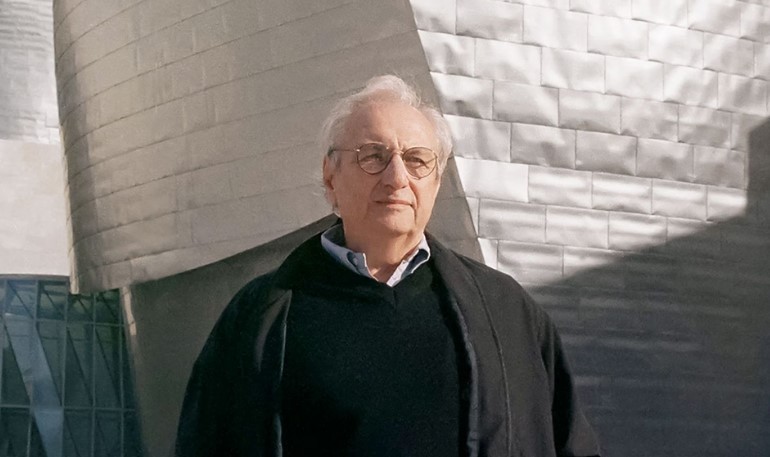
Frank O. Gehry was more than an architect — he was a force of imagination, a man who reshaped skylines and redefined what modern structures could evoke. Known worldwide for masterpieces like the Guggenheim Museum Bilbao, the Walt Disney Concert Hall, and Manhattan’s 8 Spruce Street, Gehry’s work continually blurred the line between building and sculpture.
On Friday, reports confirmed that Gehry died at 96 at his home in Santa Monica, California. His cause of death was a brief respiratory illness, according to the New York Times. As news of his passing spreads, millions are revisiting the life and genius of one of architecture’s most influential minds.
Who He Was
Frank Owen Gehry was a Pritzker Prize–winning architect whose influence spanned continents. His signature style — metallic waves, curved forms, and emotionally charged silhouettes — became one of the most recognizable aesthetics in contemporary design.
His work demonstrated that architecture could be playful yet monumental, experimental yet deeply human.
Why He’s Trending Now
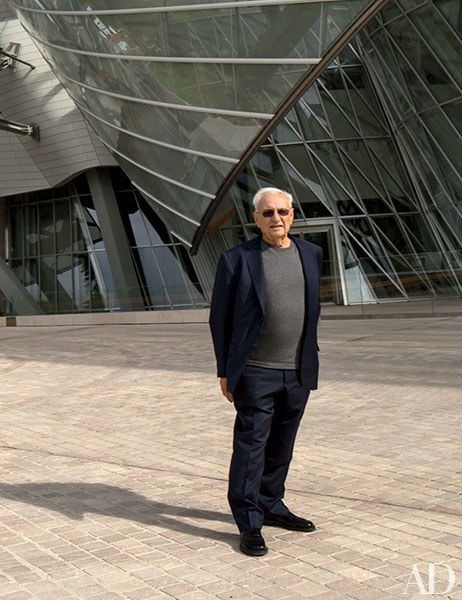
Gehry’s death has triggered a worldwide outpouring of tributes from architects, designers, critics, and admirers. Cities like Los Angeles, New York, Bilbao, and Paris — home to some of his most iconic works — are revisiting his legacy and the impact he had on their cultural landscapes.
His passing has also revived discussion around the “Bilbao Effect,” the global economic and cultural phenomenon sparked by the Guggenheim Museum Bilbao.
Early Life & Childhood
Frank Gehry was born February 1929 in Toronto, Canada, into a Jewish family with Polish and American roots. His childhood was shaped by creativity — he often built mini cities out of scraps in his grandfather’s hardware store — but also by hardship.
His father, Irving Goldberg, struggled with alcoholism, and after a heart attack in the 1940s, the family relocated to Los Angeles. Gehry later described this period as foundational, both emotionally and artistically.
The sorrow and tension surrounding his father’s health would stay with him for decades, eventually shaping the emotional depth in his architecture.
Family Background, Parents & Siblings
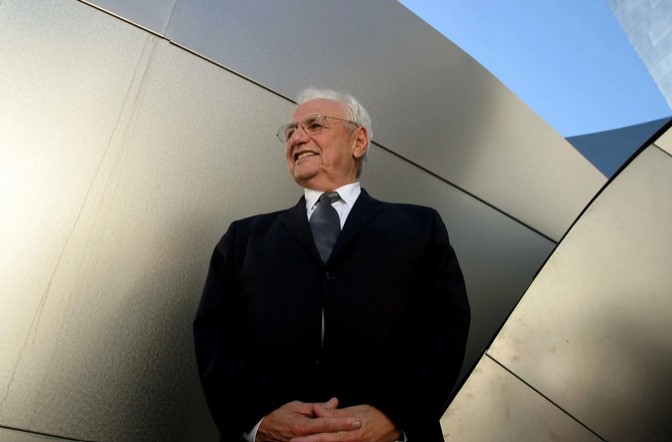
Gehry was born to Irving Goldberg and Thelma Theodor Goldberg. He also had a sister, Doreen Gehry Nelson, an educator and pioneer of design-based learning.
Gehry would later change his surname from Goldberg to Gehry to avoid antisemitism — a decision that carried painful personal weight.
Education
In Los Angeles, Gehry studied at:
-
Los Angeles City College
-
University of Southern California (USC), where he earned his architecture degree
-
Harvard Graduate School of Design, where he briefly pursued urban planning
Though he didn’t enjoy his time at Harvard, the exposure to emerging design movements sharpened his sense of what architecture could become.
Career & Rise to Global Influence
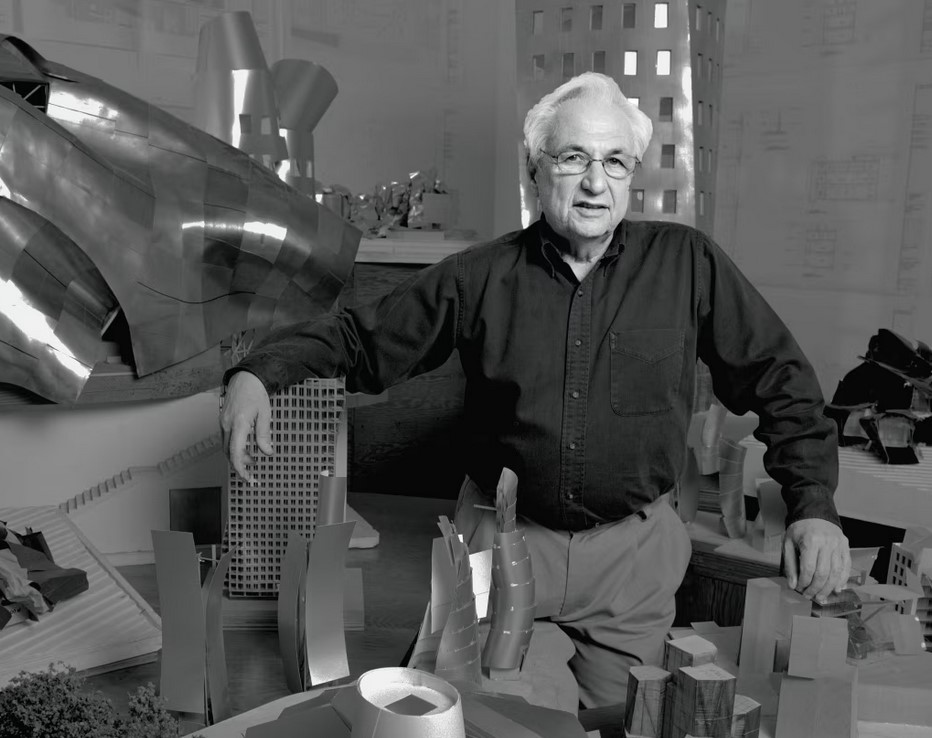
Frank Gehry opened his first firm in the early 1960s, but his breakout moment came with the iconic remodeling of his own Santa Monica home in 1978 — a raw, boundary-pushing structure wrapped in corrugated metal and chain-link fencing.
From there, his career soared.
Key Works Include:
-
Guggenheim Museum Bilbao (1997)
A shimmering titanium landmark that revitalized an entire city and became a global symbol of contemporary architecture. -
Walt Disney Concert Hall, Los Angeles (2003)
A curvilinear masterpiece near his childhood neighborhood, considered by many critics to be one of the greatest American buildings of the century. -
8 Spruce Street, Manhattan (2011)
Once the tallest residential tower in the Western Hemisphere, its rippling steel façade transformed New York’s skyline. -
IAC Building, New York (2007)
Known for its sail-like white curves along the West Side Highway. -
Fondation Louis Vuitton, Paris (2014)
A breathtaking, glass-sail structure commissioned by Bernard Arnault. -
Fisher Center at Bard College
A performing-arts jewel nestled in the Hudson Valley.
Gehry won the Pritzker Prize in 1989, the highest honor in architecture, solidifying his place among the greats.
Connection to the Celebrity Trend
Recently, Gehry reentered global headlines due to coverage surrounding his final projects and sudden passing. As the world mourns his death, renewed attention is being brought to the innovations he championed — especially the techniques involving metal and titanium that became his signature.
His name is trending not only because of his passing, but because cultural commentators are revisiting just how radically he reshaped modern design.
Personal Life & Relationships
Gehry was married twice:
-
Anita Snyder (m. 1952–1966)
Together, they had two daughters: Leslie Gehry and Brina Gehry (who passed away in 2008). -
Berta Isabel Aguilera (m. 1975)
Together, they had two sons: Samuel Gehry and Alejandro Gehry.
Gehry often credited Berta with stabilizing his personal and creative life. Despite his fame, he was known for being approachable, warm, and surprisingly humble.
Net Worth
At the time of his passing, Frank Gehry’s estimated net worth was widely reported to be between $50–100 million, derived from his decades-long architectural career, partnerships, design commissions, and global consulting work.
Interesting Facts
-
Gehry designed a line of furniture made from cardboard.
-
The Guggenheim Bilbao made critics cry — literally.
-
He once said he didn’t want to design “anything boring enough to make his father yawn.”
-
His work inspired a psychological concept: the “Bilbao Effect.”
-
He disliked being called a “starchitect,” despite being one of the world’s most famous architects.
Recent News or Updates
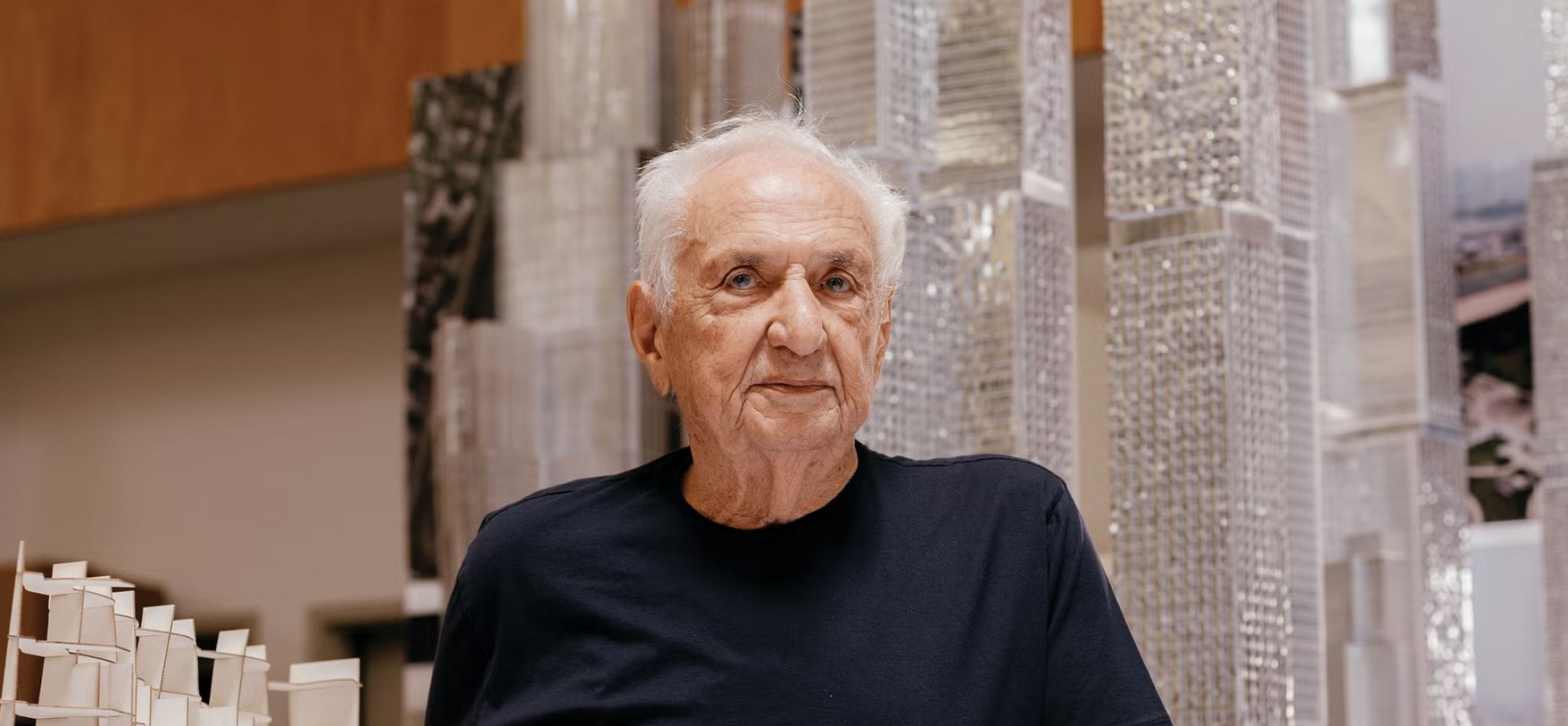
News outlets around the world — from The New York Times to Reuters — are currently honoring Gehry’s legacy while highlighting the cause of death: a brief respiratory illness.
Architects and critics alike are sharing tributes, many emphasizing Gehry’s belief that architecture should move people emotionally, not just functionally.
Conclusion
Frank O. Gehry was a visionary whose buildings reshaped cities, revived communities, and expanded the emotional possibilities of architecture. His death marks the end of an era — but his legacy, in titanium and glass, will stand for generations.
Gehry showed the world that structures are more than shapes; they’re feelings made permanent
FAQ Section
1. How did Frank O. Gehry die?
He passed away at age 96 from a brief respiratory illness at his home in Santa Monica.
2. What is Frank Gehry best known for?
He is celebrated for iconic works like the Guggenheim Museum Bilbao and the Walt Disney Concert Hall.
3. Who are Frank Gehry’s family members?
He is survived by his wife Berta Aguilera, sons Samuel and Alejandro, daughters Leslie and the late Brina Gehry, and sister Doreen Gehry Nelson.
4. Why is Frank Gehry trending now?
His death has prompted worldwide tributes and renewed interest in his architectural legacy.
5. What was Frank Gehry’s net worth?
Estimates place his net worth between $50–100 million.
Leave a Reply