Introduction
In the annals of nature and conservation, one name often walks alongside Jane Goodall’s: Hugo van Lawick. As her ex-husband, he was more than a partner — he was a creative force who captured in images the wild world she studied. His life, his art, and his legacy remain inseparable from hers — and from the stories he told through his lens.
Early Life and Background
Hugo Arndt Rodolf van Lawick was born on 10 April 1937 in Surabaya, Dutch East Indies (modern-day Indonesia).
His father, Baron Hugo Anne Victor Raoul van Lawick, served as a pilot in the Netherlands Naval Aviation Service, and died while serving. After his father’s death, his mother, Isabella Sophia van Ittersum, moved with Hugo and his brother through Australia, England, and eventually the Netherlands.
As a child, Hugo attended boarding school in Devon, England, while his mother and brother moved separately. Later he reunited with them in the Netherlands.
These early movements ingrained in him a sense of adaptation, of being between worlds — a quality that would mirror his life in Africa.
Family, Parents, and Siblings
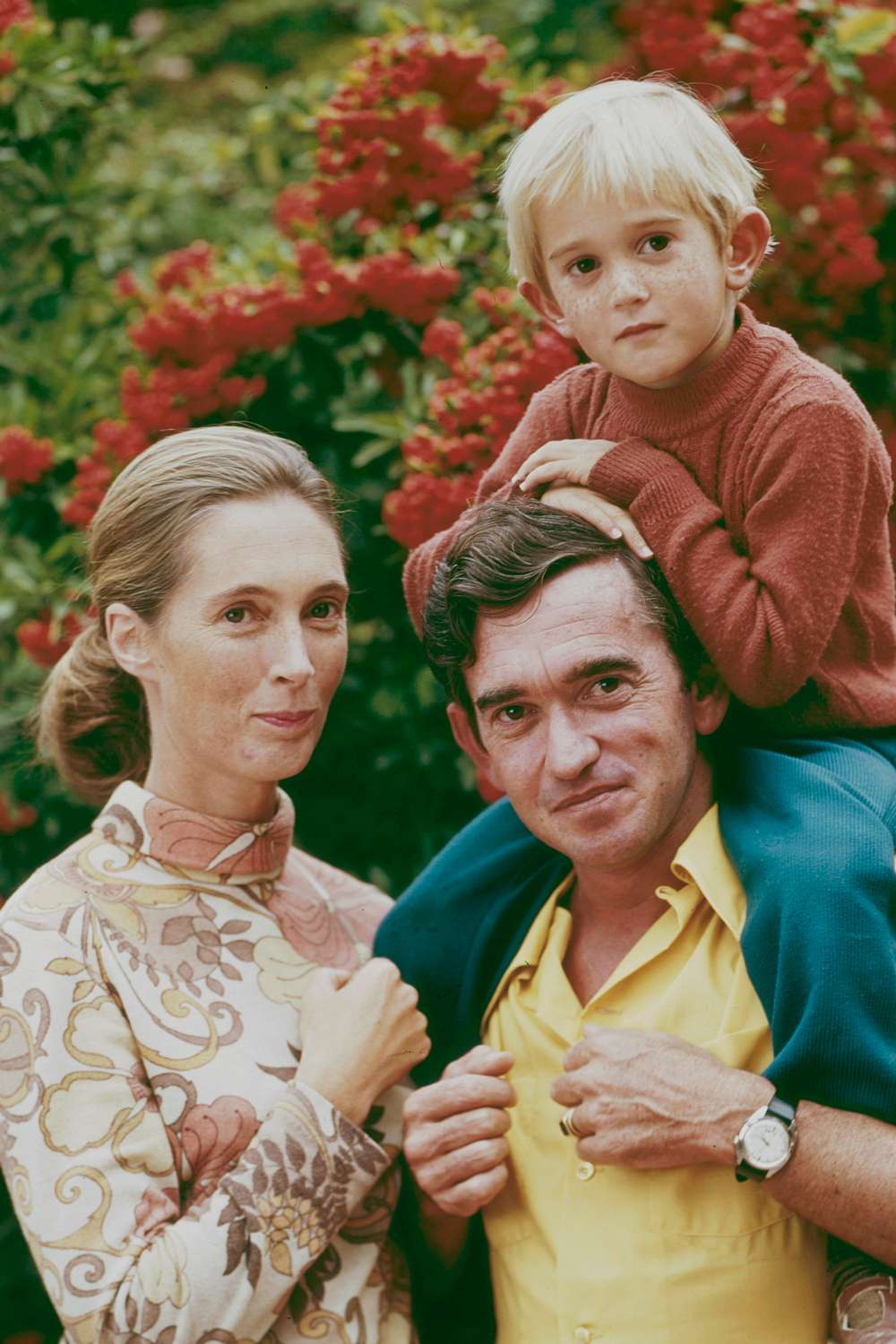
Hugo’s parents were Baron Hugo Anne Victor Raoul van Lawick and Isabella Sophia van Ittersum. He had at least one brother, though public records focus more on Hugo’s life in photography than his siblings’ paths.
Later, Hugo would marry Jane Goodall (in 1964), and they had one son: Hugo Eric Louis van Lawick, known as “Grub.” Though Hugo and Jane divorced in 1974, they remained on friendly terms.
After their divorce, Hugo married Theresa Rice in 1978 (in Gambia), but that marriage also ended (in 1984).
Education
While Hugo’s early formal schooling was in England and the Netherlands, his deeper education came through practice.
In 1959, he journeyed to Africa to pursue his passion for wildlife photography and filmmaking — an education of observation, patience, and visual storytelling.
He joined National Geographic and began documenting wildlife in the field, becoming a self-taught master of visual narrative.
Career or Profession
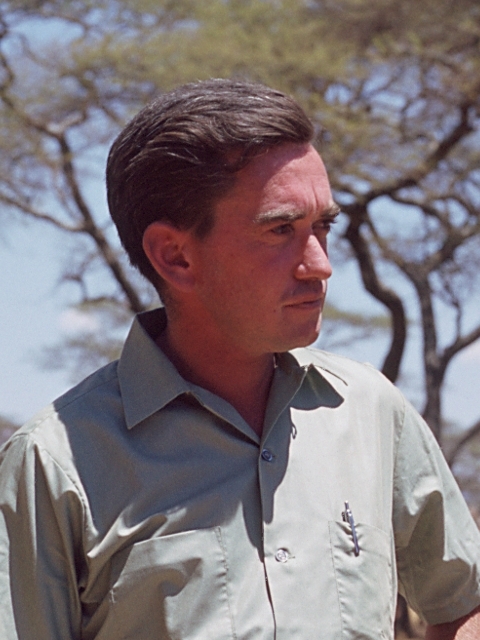
Hugo van Lawick is celebrated as one of the most influential wildlife filmmakers and photographers of the 20th century.
-
In 1962, on the recommendation of Louis Leakey, he began filming chimpanzees at Gombe Stream National Park — the same park where Jane Goodall worked.
-
His work included People of the Forest, a documentary that popularized the chimpanzees of Gombe and introduced the public to the “F” family of chimps like Flo, Fifi, and Flint.
-
He expanded into cinematic projects beyond chimpanzees: The Leopard Son, Serengeti Symphony, and many other nature films.
-
His style often emphasized individual animals’ personalities, not just species-level shots.
-
Hugo was awarded eight Emmy Awards for his films.
-
He also founded Nature Conservation Films WW, and his tented camp in Ndutu, Serengeti became a hub for emerging wildlife filmmakers.
In later years, he suffered from emphysema, which forced him to retire in 1998. He spent his final days living with his son in Dar es Salaam, Tanzania, where he passed in 2002.
Relationship or Personal Life
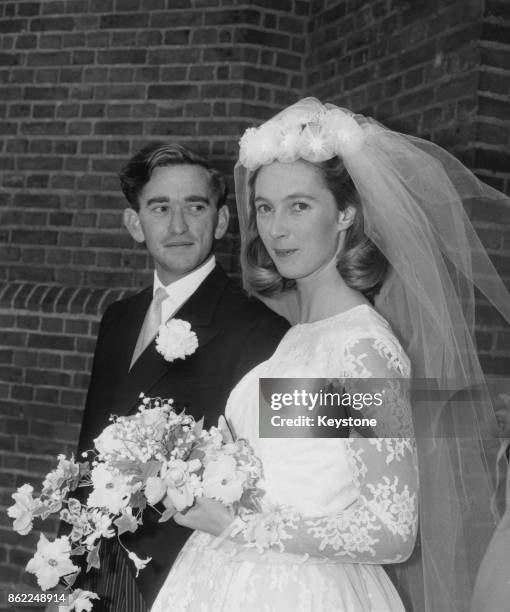
His marriage to Jane Goodall began as a scientific collaboration. She initially resisted having a photographer in her field, but they bonded over their mutual love for animals.
They married on 28 March 1964 at Chelsea Old Church in London. Their son Grub was born in 1967.
Their marriage ended in 1974 — largely due to diverging professional paths: Goodall was deeply tied to Gombe, while van Lawick began expanding film projects elsewhere. They remained friends and collaborators after the divorce.
His second marriage to Theresa Rice lasted from 1978 to 1984. Jane married Derek Bryceson.
In terms of friendships, Hugo mentored emerging wildlife filmmakers, building a legacy not just in images but in community.
When Jane Goodall passed away in October 2025, media accounts revisited his legacy and their intertwined lives.
Net Worth
Public sources do not provide a reliable estimate of Hugo van Lawick’s net worth. His income would have come from filmmaking, editorial photography, rights, and collaborations with major outlets like National Geographic.
Because he operated in a niche (wildlife/cinematic documentary), his earnings would not rival mainstream celebrity levels. His legacy, however, lies more in influence than in financial empire.
Interesting Facts
-
He was born in Indonesia, but traveled across continents — Australia, England, Netherlands — before settling in Africa.
-
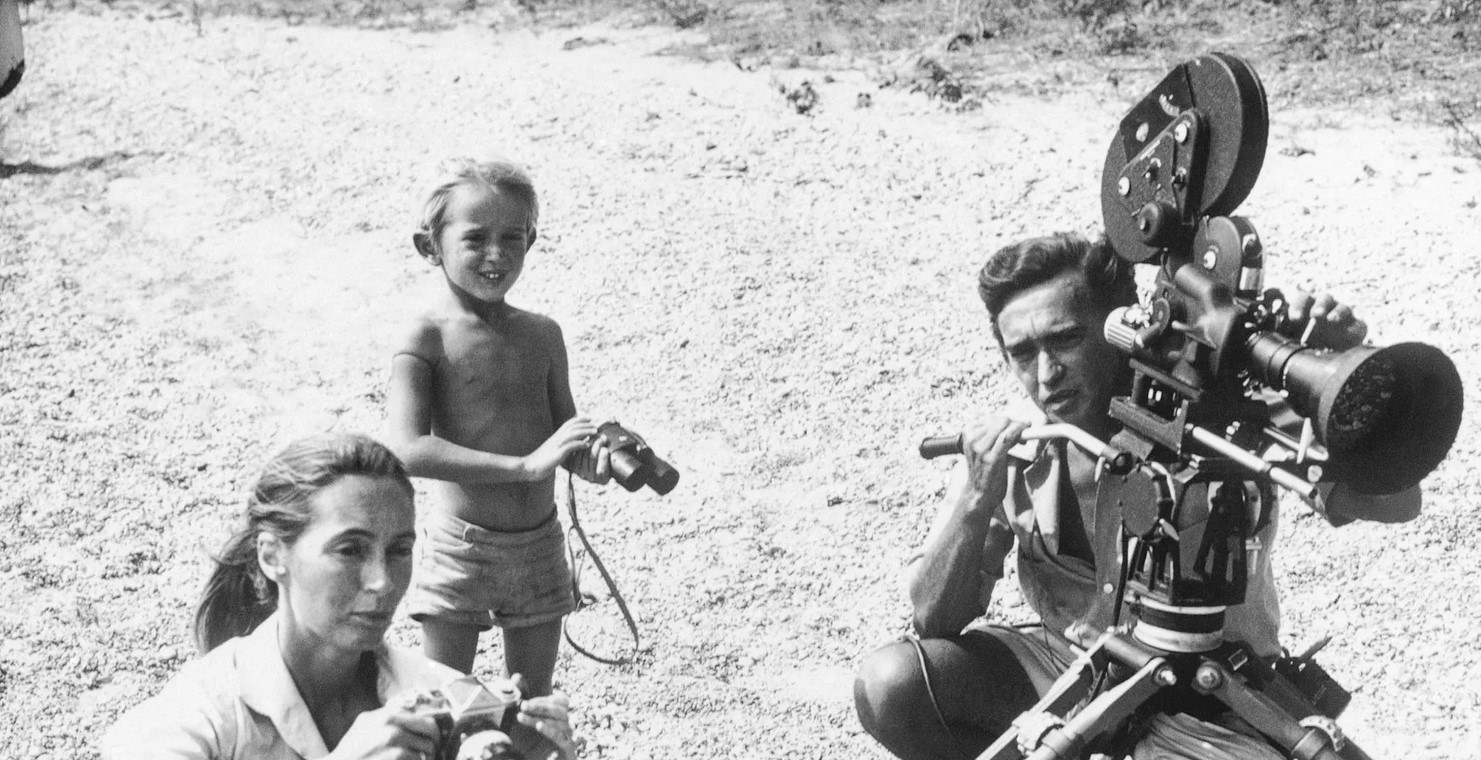
His camp in Ndutu served as both home and studio; he lived among lions, elephants, and wild dogs as part of his daily work.
-
In 1998, due to ill health (emphysema), he moved out of the field to live with his son.
-
One of his most iconic images: Jane reaching to a chimpanzee infant named Flint with both of their arms extended — a photograph still quoted as emblematic of the human-chimpanzee bond.
-
He was appointed Officer in the Order of the Golden Ark by Prince Bernhard in 1992, a recognition in conservation circles.
Social Media Presence
Because Hugo van Lawick passed away in 2002, he does not maintain a social media presence. However, his works, photographs, and archival films live on through platforms and the institutions that preserve his legacy (e.g. National Geographic, wildlife film repositories).
His son and fans often share his images, but no personal profiles of Hugo are active today.
Recent News or Updates
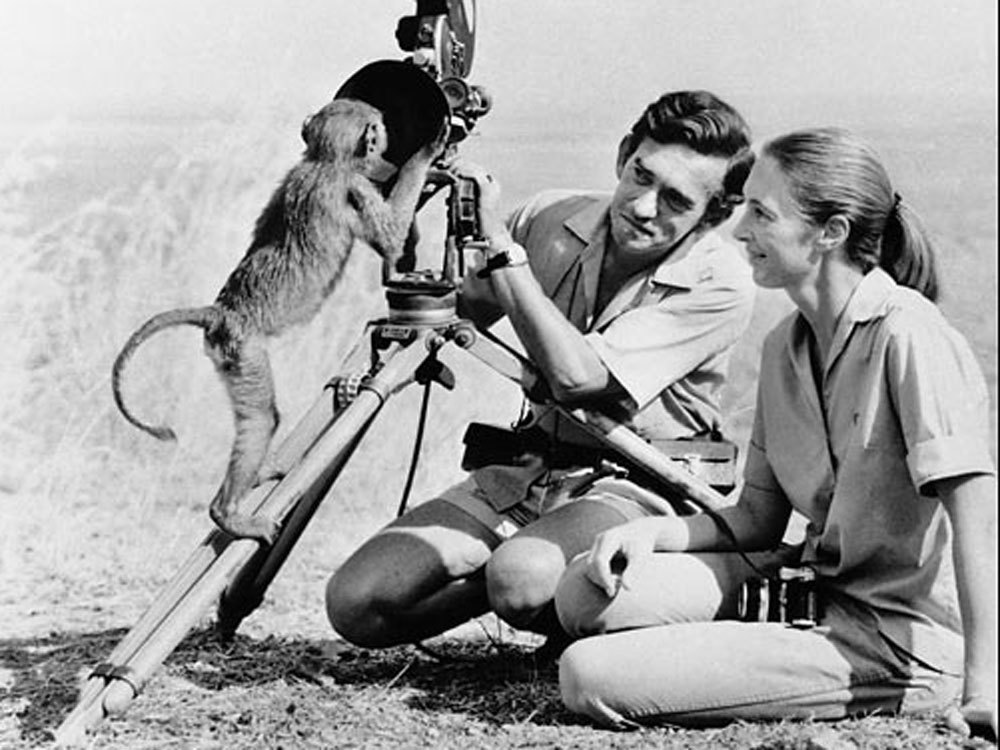
-
In October 2025, when Jane Goodall passed away, many obituaries and retrospectives revisited Hugo’s role — his films, their marriage, and how he helped bring her work to global audiences.
-
Documentaries and books about Jane often include chapters or segments about Hugo’s filmmaking and their partnership — his visual storytelling remains inseparable from her scientific narrative.
-
Some of his films and photographs have been reissued, remastered, or included in conservation exhibitions as part of honoring Jane Goodall’s legacy. (Though I found no precise recent headline at time of writing.)
Why Hugo van Lawick Matters
Hugo van Lawick matters because he did what few can: he translated science into art. His images and films gifted readers and viewers a visceral, emotional window into wildlife. Through his lens, chimpanzees, lions, and wild dogs became characters—not just specimens. His story, entwined with Jane Goodall’s, reminds us that conservation is not just knowledge, but vision. And his legacy lives in every frame that breathes life into the wild.
FAQ
Q: Who was Hugo van Lawick?
A: A Dutch wildlife filmmaker and photographer, best known as the ex-husband of Jane Goodall and for his decades of visual documentation of African wildlife.
Q: When was Hugo van Lawick born and when did he die?
A: Born 10 April 1937 in Surabaya, Indonesia; died 2 June 2002 in Dar es Salaam, Tanzania.
Q: What were his major works?
A: People of the Forest, The Leopard Son, Serengeti Symphony, and many iconic wildlife documentaries and still photography projects.
Q: How did his marriage with Jane Goodall influence his work?
A: They met through his work documenting her chimpanzee studies; their partnership merged art and science, amplifying her discoveries to a global audience. They remained collaborators even after their divorce.
Q: Did he receive awards or honors?
A: Yes, he earned eight Emmy Awards and was made an Officer of the Order of the Golden Ark.
Q: Is his work still influential today?
A: Absolutely. His films and photographs are still referenced, exhibited, and remastered. His visual legacy continues to inspire conservationists, filmmakers, and nature lovers.
Leave a Reply