Introduction
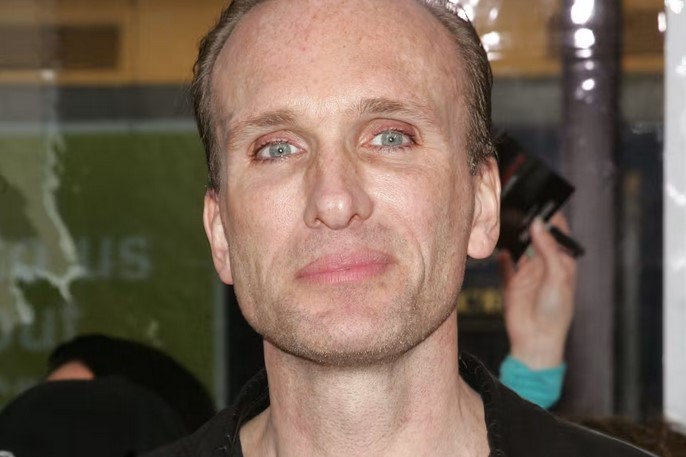
Peter Greene was never a conventional Hollywood star.
He was something rarer — a character actor whose intensity lingered long after the screen went dark. Best known for unforgettable roles in Pulp Fiction, The Mask, The Usual Suspects, and Training Day, Greene built a career playing criminals, villains, and deeply troubled men with unsettling authenticity.
Now, following the news of Peter Greene’s death at age 60, fans are revisiting the life and legacy of an actor who brought raw realism to some of cinema’s most iconic films.
Who Peter Greene Was
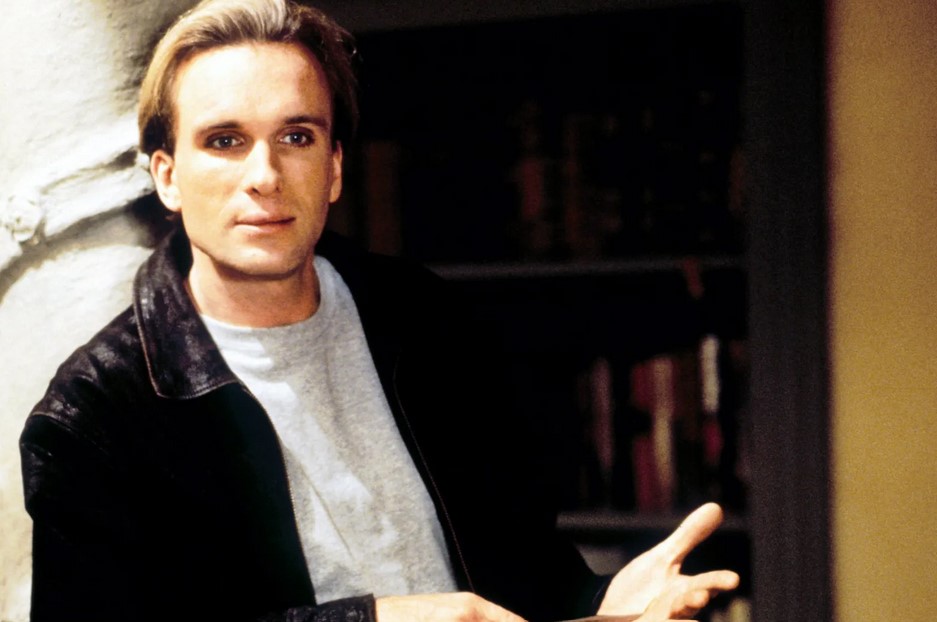
Peter Greene was an American actor renowned for portraying dark, psychologically complex characters. His performances were never flashy — they were grounded, intense, and often disturbing in their realism.
Unlike leading men, Greene specialized in roles that felt lived-in: criminals, enforcers, addicts, and outsiders. Directors trusted him to bring credibility to characters that could easily slip into caricature.
Why Peter Greene Is Relevant Now
Interest in Peter Greene has surged following reports that he was found dead inside his Lower East Side apartment in New York City on Friday. His manager, Gregg Edwards, confirmed his death. No cause of death has been disclosed at this time.
The news, first reported by the New York Daily News, has prompted fans and critics alike to reflect on Greene’s body of work — especially his chilling roles in 1990s cinema.
Early Life & Childhood
Peter Greene was born on October 8, 1965, in Montclair, New Jersey.
Raised away from Hollywood, Greene’s early life was marked by a quiet intensity that would later define his on-screen presence.
He moved to New York City in his 20s, where he began pursuing acting seriously. The city’s raw energy and underground art scene became central to his development as a performer.
Family Background, Parents & Siblings
Greene kept his private life largely out of the public eye. He is survived by his siblings:
-
Mary Anne Greene (sister)
-
John Greene (brother)
Little is publicly known about his parents, a reflection of Greene’s lifelong desire to separate his personal world from his professional one.
Education
Details about Greene’s formal education are limited. However, his performances suggest deep character study and emotional preparation — skills he developed through real-world observation rather than traditional Hollywood training.
Career & Breakthrough Roles
‘Clean, Shaven’ (1993)
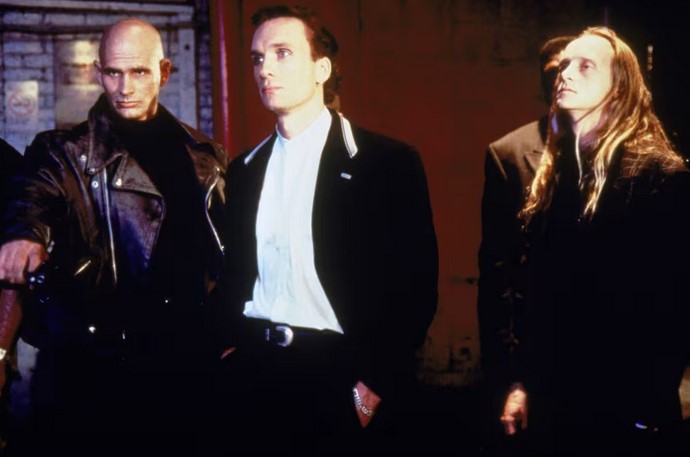
Greene’s most critically acclaimed performance came in Clean, Shaven (1993), where he portrayed a man with schizophrenia suspected of murder.
The role required extreme emotional vulnerability, including scenes of self-mutilation.
A New York Times review praised Greene for transforming the character into “a compellingly anguished, volatile figure” — a performance that did not rely on shock, but on internal chaos.
‘Pulp Fiction’ (1994)
In Quentin Tarantino’s Pulp Fiction, Greene played Zed, a sadistic security guard — one of the film’s most disturbing characters.
Though his screen time was brief, the role became iconic, cementing Greene’s reputation as an actor who could unsettle audiences without exaggeration.
‘The Mask’ (1994)
The same year, Greene appeared as Dorian Tyrell, the villain opposite Jim Carrey in The Mask. His grounded menace provided a sharp contrast to the film’s cartoonish energy.
Other Notable Roles
-
Redfoot in The Usual Suspects
-
Detective Jeff in Training Day
-
Appearances in The Bounty Hunter and other crime dramas
In Training Day, Greene delivered one of the film’s most memorable lines — “Kiss me, baby” — moments before being shot by Denzel Washington’s character, Alonzo Harris.
Connection to Hollywood & Directors
Peter Greene was respected by directors for his fearlessness. He took roles others avoided and portrayed damaged characters without judgment or glamour.
His manager, Gregg Edwards, described him simply:
“Nobody played a bad guy better than Peter. But he also had a gentle side that most people never saw — and a heart as big as gold.”
Personal Life & Relationships
Greene lived quietly in New York City, far from Hollywood’s spotlight. He valued privacy, music, and long conversations over celebrity culture.
According to Edwards, Greene had spoken with him earlier in the week before his death. Music had reportedly been playing in his apartment for over 24 hours, prompting a wellness check.
Net Worth
Peter Greene’s estimated net worth was modest compared to mainstream stars, reflecting a career built on character work rather than blockbuster paychecks. His value lay in artistic credibility, not celebrity branding.
Interesting Facts About Peter Greene
-
He was widely considered one of the most convincing villain actors of the 1990s
-
Clean, Shaven remains a cult classic in independent cinema
-
He avoided social media and publicity
-
Directors valued him for realism, not charisma
-
His performances often explored mental illness and moral ambiguity
Recent News & Death
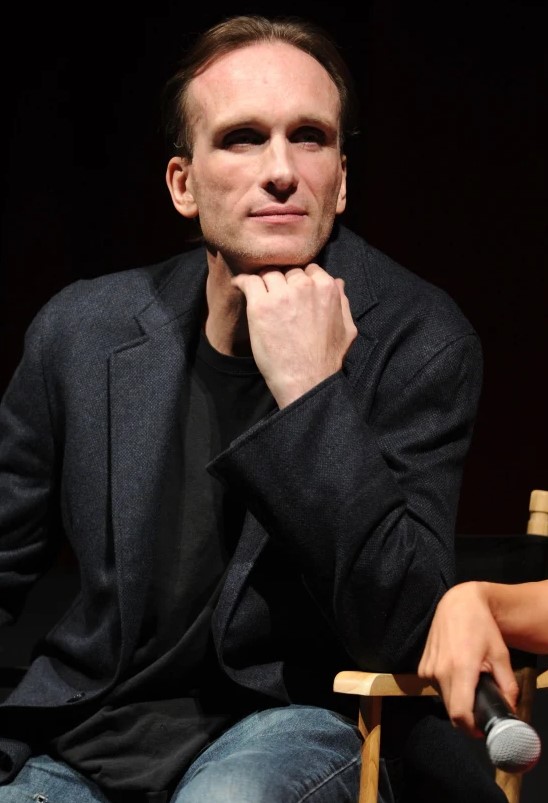
Peter Greene was found dead in his Lower East Side apartment in New York City.
His manager confirmed the news. No cause of death has been disclosed, and authorities have not released further details.
The announcement has led to renewed appreciation of Greene’s work across film forums and social media.
Conclusion
Peter Greene did not chase fame — he chased truth in performance.
His characters were unsettling because they felt real. His presence was unforgettable because it was honest.
As Hollywood reflects on his passing at 60, Greene’s legacy lives on in the films that dared to cast him — and the audiences who never forgot him.
FAQ
Who was Peter Greene?
Peter Greene was an American actor best known for roles in Pulp Fiction, The Mask, The Usual Suspects, and Training Day.
How did Peter Greene die?
Peter Greene was found dead in his New York City apartment. No cause of death has been disclosed.
How old was Peter Greene when he died?
He was 60 years old.
Who are Peter Greene’s family members?
He is survived by his sister, Mary Anne Greene, and his brother, John Greene.
What was Peter Greene’s most acclaimed performance?
His lead role in Clean, Shaven (1993) is widely considered his most critically praised work.
Leave a Reply