Introduction
Randy Hall is a name many may not recognize immediately, but behind the spotlight of Diane Keaton’s celebrated life lies a quiet, poignant story of sibling love, mental illness, and dignity. As Diane’s brother, Randy’s journey impacted the actress deeply, and his life raises powerful questions about care, family, and compassion in the public eye.
Early Life and Background
Randy Hall was born as John Randolph Hall on March 21, 1948, in Glendale, California, into a middle-class family.
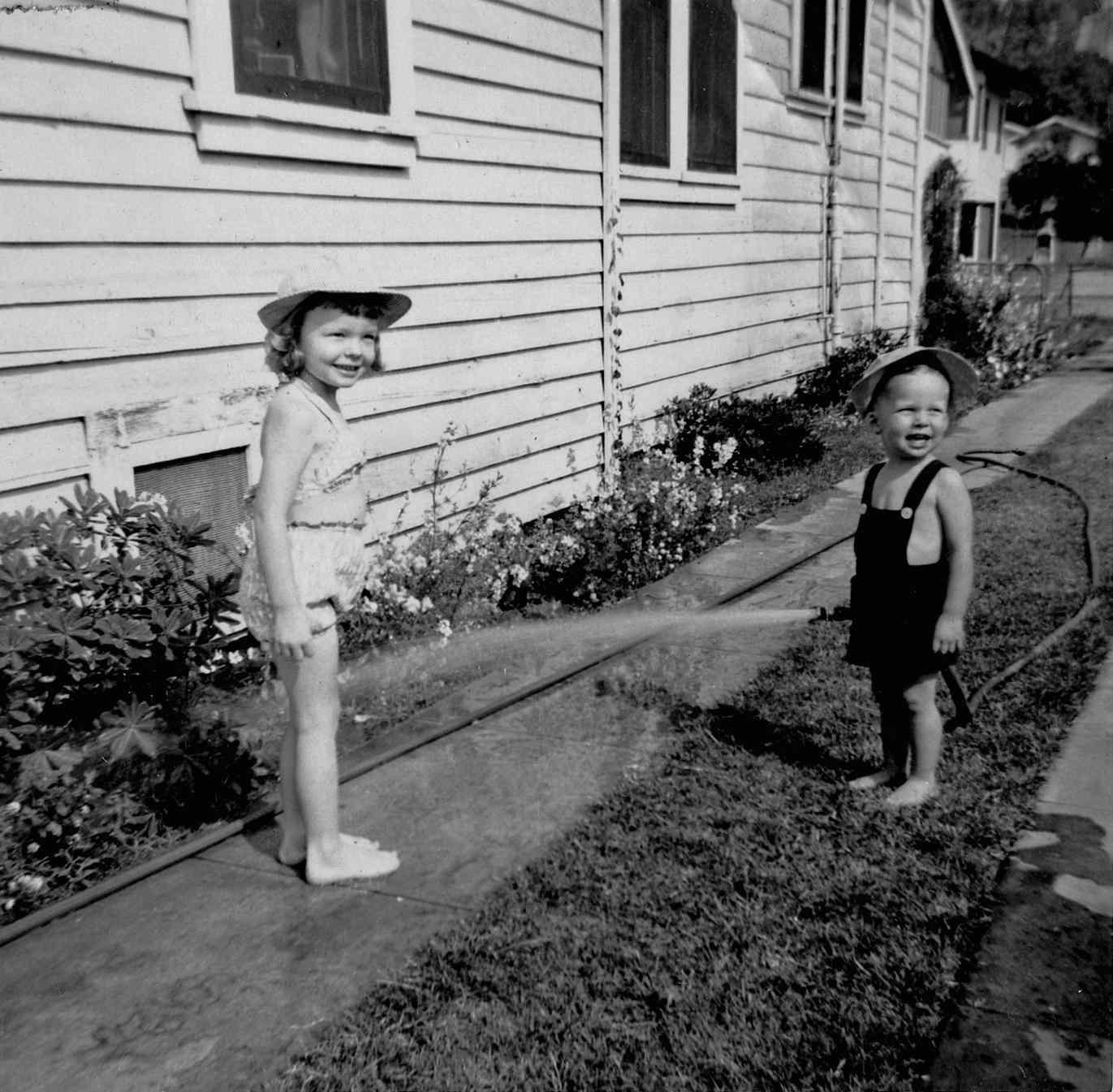
Growing up in Southern California, he shared early years with Diane and their siblings in a house filled with normal childhood routines — bunk beds, shared toys, bedtime stories. Diane later recalled fond memories of “tagging along” with Randy when they were small children.
However, from a young age Randy exhibited behaviors that set him apart: fears of low-flying planes, difficulty going outdoors, hallucination-like visions, and social withdrawal.
He was often described as “on the other side of normal” — someone whose inner life was more complex, more troubled, and often hidden from view.
Family, Parents, and Siblings
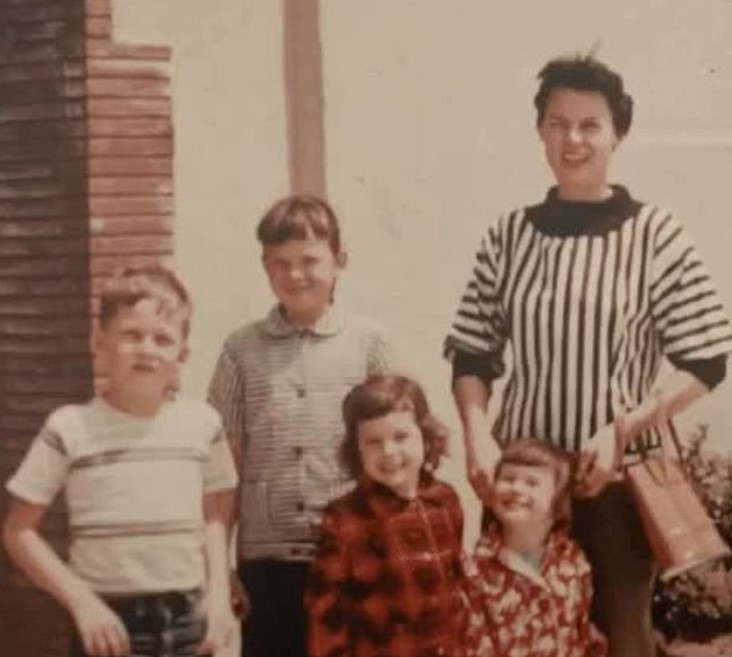
Randy was born to Jack Hall, a civil engineer, and Dorothy Hall (née Keaton). Diane was two years older, and they also had two sisters: Dorrie and Robin.
In his early childhood, Randy and Diane were close; Diane later confessed she sometimes felt guilty for not protecting him better.
The Hall household in those decades upheld a certain order. Their father insisted on discipline, their mother managed home life. But when Randy’s behavior became troubling, the family often felt unprepared. Diane later admitted that in their era, mental illness was taboo, and seeking help was unusual.
His sister Diane adopted two kids, Dexter and Duke.
Education
Public records do not clearly document Randy Hall’s formal education beyond his youth. What is known is that he struggled to maintain continuity in schooling and social settings as his mental health challenges intensified.
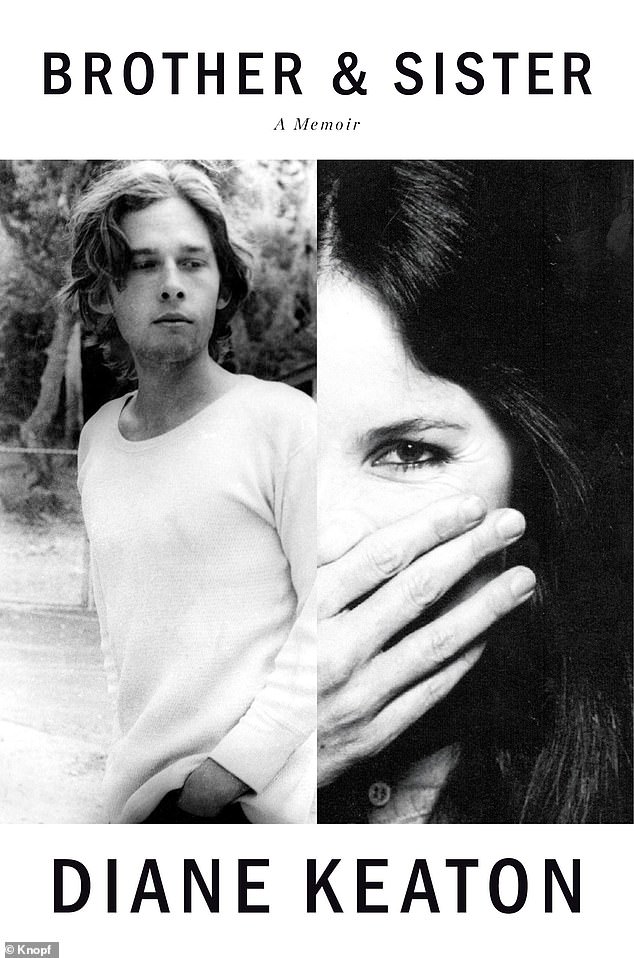
Diane, in her memoir Brother & Sister, describes the early signs of Randy’s distress during the teenage years, how he resisted organized sports, and how his isolation grew over time.
Career or Profession
Randy never held a traditional, sustained public career. His life was more inward, often marked by instability — periods of unemployment, isolation, and health decline.
Despite that, he found expression through collage art, poetry, and letters — creative outlets he used to process inner visions, fears, and fantasies.
In his later years, he also lived in assisted care, where dementia and Parkinson’s disease gradually constrained his abilities.
Relationship or Personal Life
Randy’s personal relationships were limited and troubled. He was married for a time, but that union ended, and he lived mostly alone thereafter.
Over the years, he shared with Diane dark fantasies and disturbing imagery — writing about violent impulses he claimed never intended to act on. Diane acknowledged those letters with both fear and empathy.
As dementia crept in, communication became limited. Diane visited him weekly, took walks, bought him ice cream, and tried to reconnect.
Net Worth
There is no reliable estimate for Randy Hall’s net worth. Given that he did not maintain a conventional career or public income, his financial state was modest or reliant on family and institutional support.
Any wealth or resources he had would likely have come from family provisions, caregiving support, or public healthcare assistance rather than personal business ventures.
Interesting Facts
-
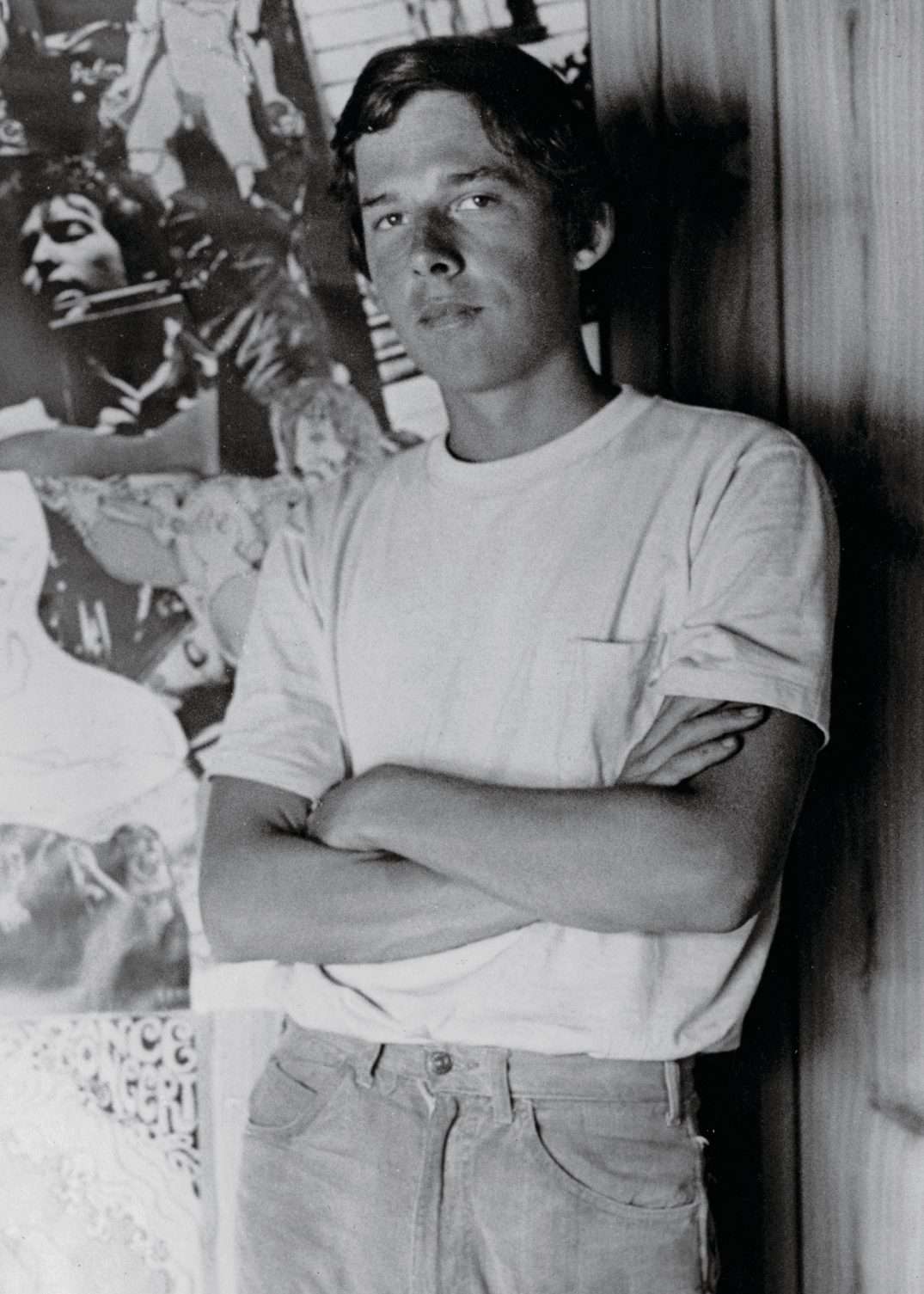
The Duane character in Annie Hall (played by Christopher Walken) was inspired by Randy’s troubled, unpredictable nature, according to Diane Keaton.
-
Even as he declined, Randy continued to make collage art and write letters — outlets for personal vision and emotional turmoil.
-
Diane once shared a memory: as children, they collected bottles and redeemed them for small sums. She admitted she didn’t split the money — but Randy never asked for his share.
-
Randy had deep, persistent fears: phobias of planes, fear of going outside, visions in darkness. These fears haunted him into later adulthood.
Social Media Presence
There is no known public social media presence for Randy Hall. His life and struggles were private, and after his mental and physical decline, he withdrew fully from public platforms.
Recent News or Updates
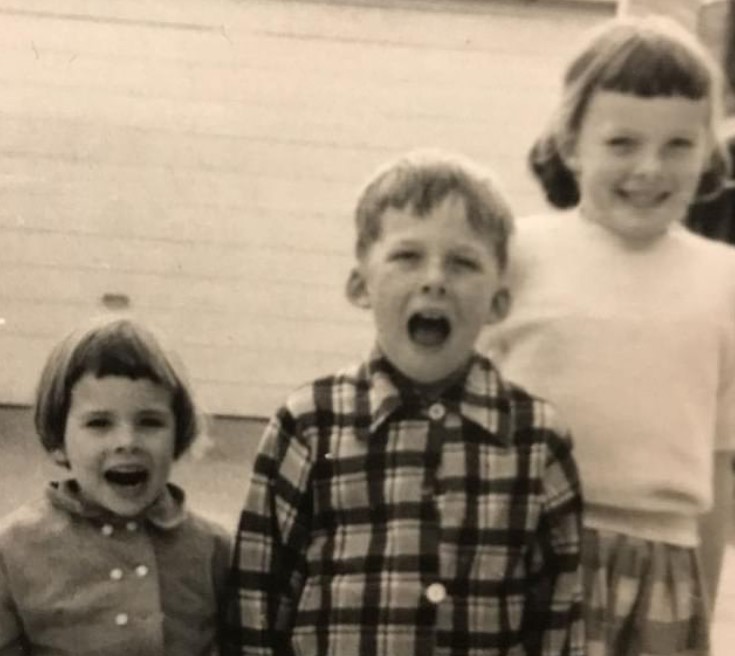
Randy Hall passed away in 2021, after enduring years of mental health challenges and physical decline. Diane visited him until the end.
With Diane Keaton’s death in October 2025, many have revisited her memoirs, including Brother & Sister, to better understand the sibling relationship that shaped her.
In tributes, Diane was described as Randy’s caregiver in his final years — a role she rarely spoke about in the glare of fame.
FAQ — Frequently Asked Questions
Q: Who was Randy Hall in relation to Diane Keaton?
A: Randy Hall (born John Randolph Hall) was Diane Keaton’s younger brother.
Q: Did Randy Hall have a career or public work?
A: He did not maintain a public career. He lived privately, expressing himself via art and writing.
Q: Why is Randy Hall sometimes described as mentally ill?
A: Randy exhibited behaviors and symptoms consistent with bipolar disorder, schizoid personality disorder, and later dementia — though diagnoses were never fully conclusive.
Q: Did Diane Keaton depict Randy in her film work?
A: Yes. The character Duane in Annie Hall was loosely based on Randy’s troubled psyche and struggles.
Q: When did Randy Hall die?
A: Randy died in 2021, after years of mental and physical decline.
Q: How did Diane care for Randy in his later years?
A: Diane visited weekly, pushed his wheelchair, shared ice cream outings, and sought to reconnect emotionally and spiritually.
Leave a Reply