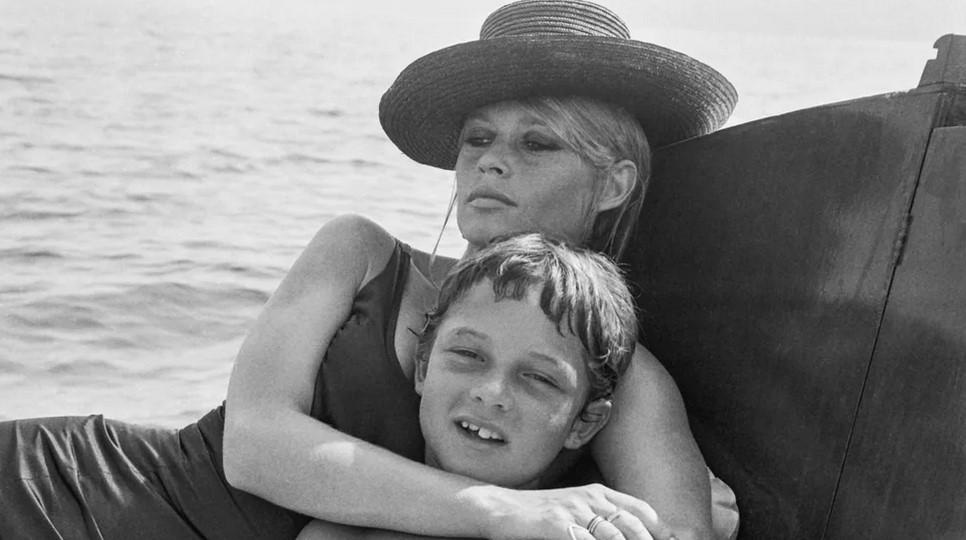
In the wake of Brigitte Bardot’s death on December 28, 2025, at the age of 91, global headlines have revisited her complex legacy — her iconic film career, her passionate animal rights activism, and the controversies that shaped her later years. But amid reflections on her life’s work, one story continues to draw deep, emotional curiosity: her estranged relationship with her only son, Nicolas-Jacques Charrier — a bond fractured not by absence alone, but by emotion, identity, and the choices of a woman who famously said she was “not made to be a mother.”
This is the real reason she never wanted to have Nicolas — and how that choice shaped both their lives.
Early Years: A Birth She Never Wanted
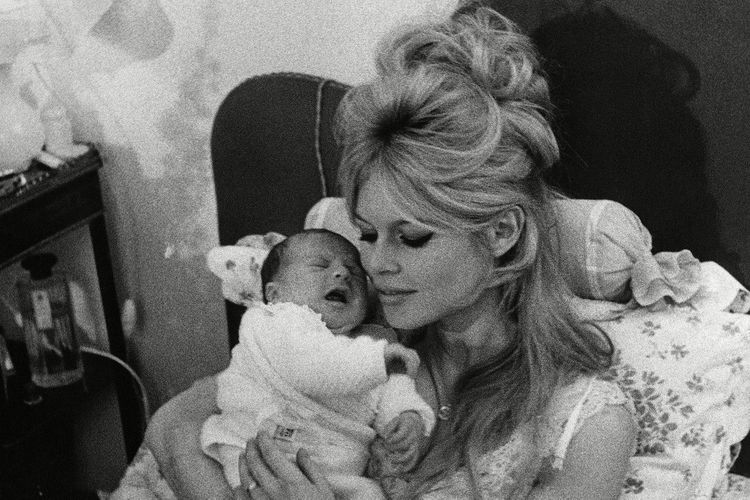
Brigitte Bardot was already a global star in 1960 when she gave birth to her only son, Nicolas-Jacques Charrier, with her then-husband, French actor Jacques Charrier.
Instead of joy, Bardot’s own accounts reveal deep distress. In her 1996 memoir Initiales B.B., she described her pregnancy in painfully candid terms — saying she felt completely unprepared for motherhood and even compared the pregnancy to something she would have preferred to avoid.
“I’m not made to be a mother… I’m not adult enough — I know it’s horrible to have to admit that, but I’m not adult enough to take care of a child.”
She also recounted how, at the time, abortion was illegal in France, forcing her to carry the pregnancy despite profound emotional resistance.
These raw admissions set the stage for a lifelong emotional divide, laying bare the real reason Bardot never wanted the life of a mother — even to her own flesh and blood.
Custody and a Childhood Without a Mother
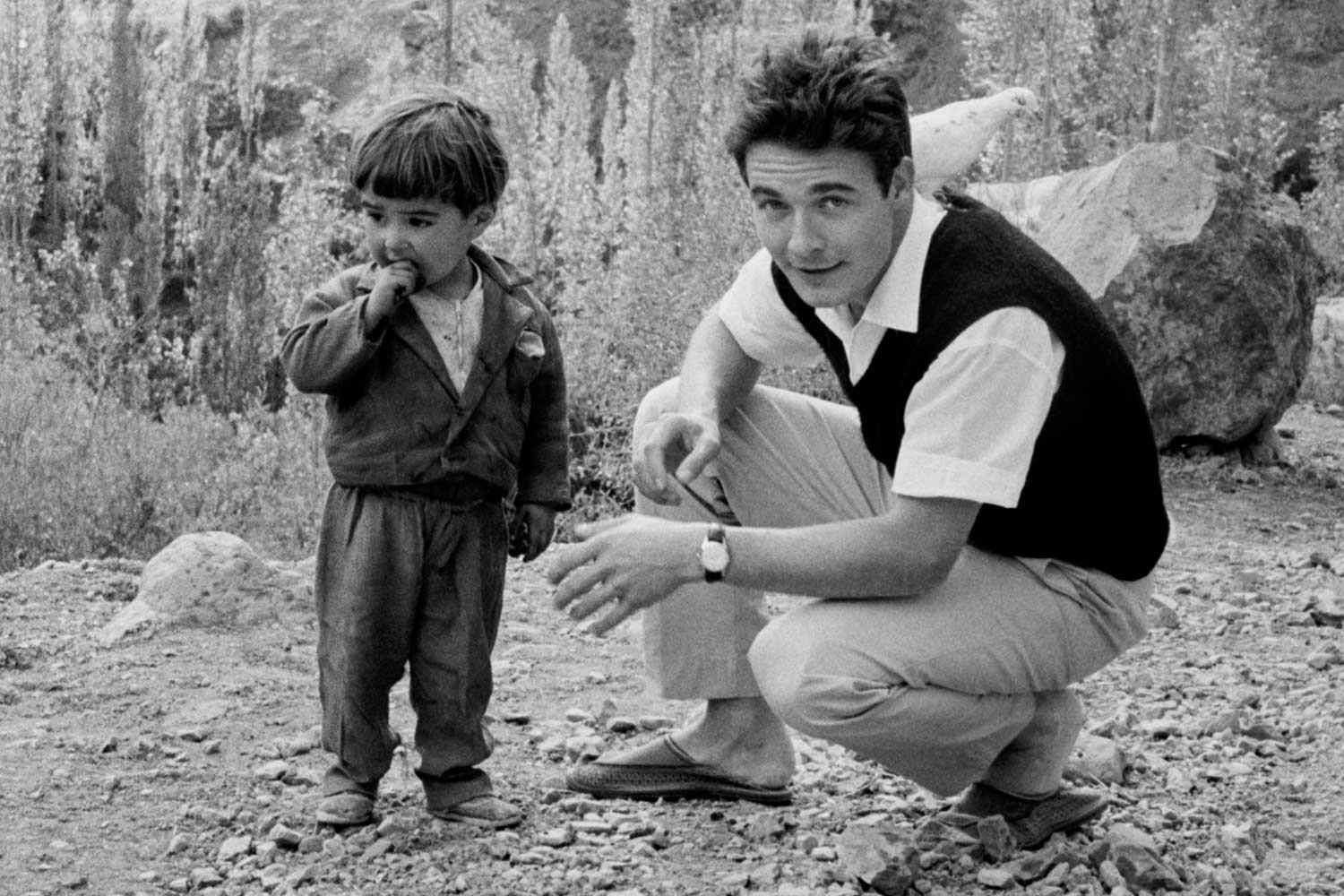
After Brigitte Bardot and Jacques Charrier divorced in 1962, custody of Nicolas-Jacques was awarded to his father. Bardot, immersed in a demanding acting career and struggling with her own emotional tumult, did not raise her son.
Instead, Nicolas was cared for by his paternal grandparents, largely shielded from his mother’s fame and public persona.
Bardot later acknowledged that she felt uprooted and unbalanced — lacking the emotional stability she believed was necessary to be a parent.
This wasn’t a simple case of fame overtaking family — it was a fundamental mismatch between Bardot’s identity and the traditional role of a mother. Her public comments made that clear and, at times, deeply controversial.
Controversy and Deepening Distance
Throughout her life, Bardot never softened her views on motherhood — at least not publicly during Nicolas’ formative years.
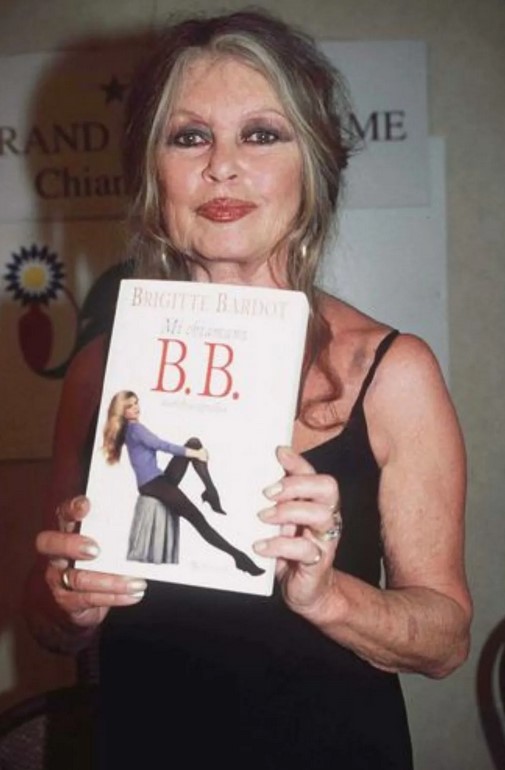
Her memoir didn’t just express reluctant motherhood; at times, its language was seen as harsh and alienating. She wrote about her pregnancy with metaphors that some interpreted as dismissive, and elsewhere described Nicolas at times in ways that drew sharp criticism.
When Initiales B.B. was published in 1996, both Nicolas and Jacques Charrier sued Bardot for invasion of privacy, eventually winning a fine against her for the book’s personal disclosures.
Her ex-husband even published his own memoir to defend their son and contextualize events from his perspective, arguing that Bardot’s harsh words masked a deeper, more complicated reality.
These episodes deepened the divide between mother and son — shaping a relationship governed less by affection and more by controversy.
A Relationship Avoided, Not Forgotten
For decades, Bardot and Nicolas-Jacques remained distant, their lives running on parallel tracks but rarely intersecting. Bardot’s celebrity, volatility, and candid public comments created invisible barriers that neither often crossed.
Yet there were moments of reconnection. In 1992, Bardot married Bernard d’Ormale in Norway — near where Nicolas and his family lived — and the two families briefly reconnected.
And as Bardot aged and withdrew from public life, she eventually made a promise to her son: she would stop talking about him publicly. In a rare 2024 interview published in Paris Match, she said, “I promised Nicolas I would never talk about him in my interviews.”
This shift — from public candor to private discretion — perhaps reflected a deeper awareness of the pain her early words caused.
Nicolas-Jacques Charrier Today
Nicolas-Jacques Charrier, now in his mid-60s, chose a life away from headlines. He built a family in Norway, where he lives with his wife, Anne-Line Bjerkan, and raised two daughters: Anna-Camilla Charrier Bjerkan and Théa-Josephine Charrier.
In many ways, he became the antithesis of the life his mother led — quiet, grounded, and distant from the celebrity spotlight.
Through him, Bardot became a grandmother and great-grandmother, relationships that remained distant but real.
Why Bardot’s Resistance to Motherhood Mattered
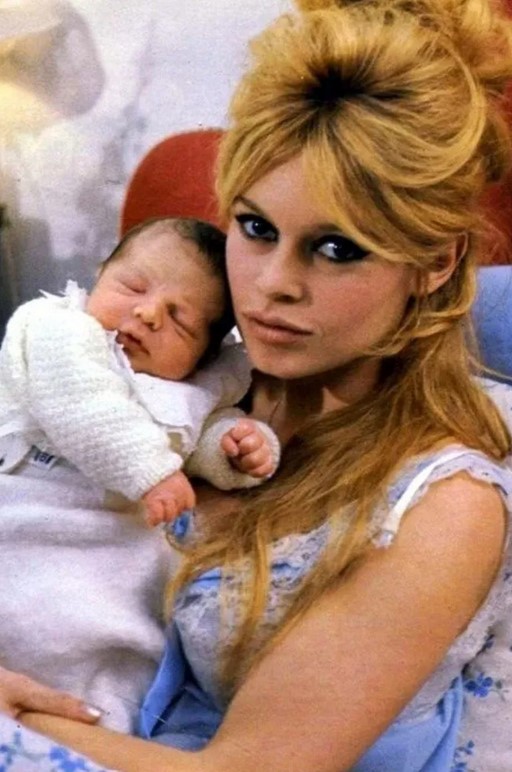
At the heart of this estrangement was not a single moment, but a lifetime of internal conflict:
-
Bardot’s fear of losing her identity and career after becoming a mother
-
A deeply personal discomfort with traditional family roles
-
A Hollywood-style life that left little room for domesticity
-
Publicly voicing feelings most parents would struggle to express
It’s a rare and raw example of the tension between personal freedom and parenthood — one that resonated far beyond one woman’s experience.
Some saw her honesty as courageous, others as callous. Either way, it shaped a relationship that never fully healed.
Recent Reflections Following Bardot’s Death
In the days after Brigitte Bardot’s passing, many obituaries revisited her films, her activism, and her controversies — both public and personal.
Amid those tributes, Bardot’s estranged relationship with Nicolas-Jacques Charrier emerged as a poignant subplot — a reminder that even icons who seem invincible have personal stories marked by regret, distance, and unresolved emotion.
Perhaps most human of all, her late-life promise to refrain from publicly discussing her son hinted at a more private understanding — a gesture that, after decades, acknowledged a wrong and tried to mend it, even if only in silence.
Conclusion
Brigitte Bardot never wanted to have Nicolas-Jacques Charrier — not because of a lack of love, but because of a deeply held belief that she was neither suited nor prepared for motherhood. Her unwillingness to embrace that role — expressed loudly and unapologetically — shaped a rift that would last a lifetime.
Their story is not just about fame and estrangement.
It’s about identity, fear, and the complex choices that define human lives.
And ultimately, it’s a reminder that even the brightest stars cast long shadows.
FAQ
Why was Brigitte Bardot estranged from Nicolas-Jacques Charrier?
Bardot admitted she never wanted motherhood and felt she wasn’t suited to raise a child, leading to a lifelong distance.
Did Bardot and Nicolas-Jacques ever reconcile?
Later in life, Bardot promised not to discuss him publicly, and they maintained limited contact.
Who raised Nicolas-Jacques Charrier?
After Bardot and Jacques Charrier divorced, Nicolas was raised by his father and paternal grandparents.
Does Nicolas-Jacques have children?
Yes; he has two daughters and several grandchildren, making Bardot a grandmother and great-grandmother.
Did Bardot’s memoir contribute to the estrangement?
Yes — her candid remarks about motherhood and her son in her memoir led to legal action and worsened the emotional divide.
Leave a Reply