Introduction
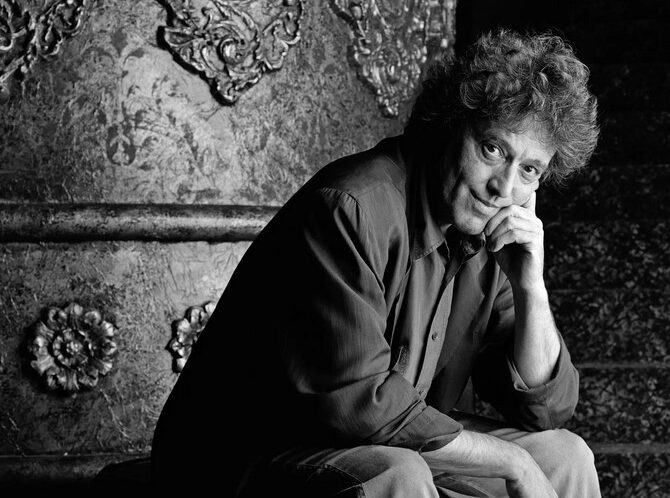
The world of theatre and literature is in mourning. British-Czech playwright Tom Stoppard, celebrated as one of the greatest dramatists of his generation, has died at age 88. According to reports, his passing followed a period of declining health — the cause of death has been described as age-related natural causes. As tributes pour in from around the world, admirers and newcomers alike are revisiting the life and work of a man whose verbal acrobatics, intellectual daring, and emotional resonance reshaped modern drama.
Who He Was
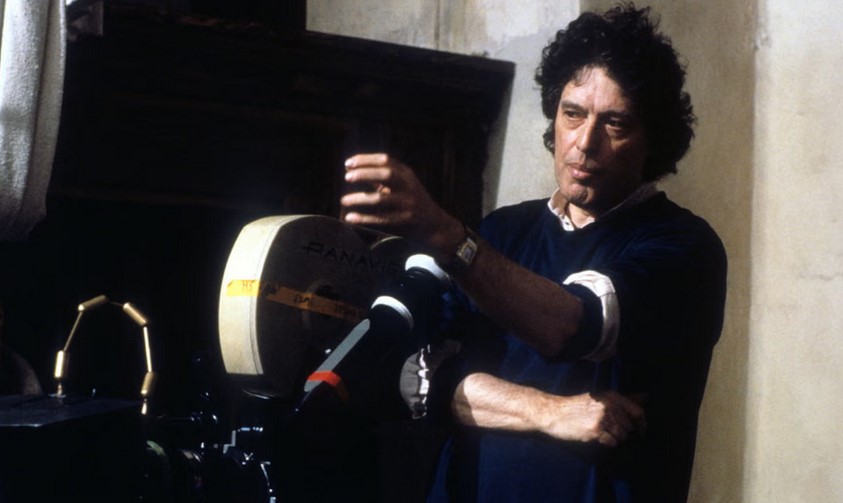
Tom Stoppard was a master of metaphor, language, and layered ideas. From witty wordplay to profound philosophical inquiry, his plays offered audiences not just stories — but conversations. He challenged conventions, toyed with time, and never shied away from big questions. His influence extended far beyond the stage; he helped redefine what modern theatre could be.
He wasn’t just a playwright — he was a thinker, a storyteller, and a craftsman of ideas.
Why His Name Matters Now (Trend Context)
His death at 88 marks the end of an era. As media outlets publish obituaries and retrospectives, many younger readers unfamiliar with his early work are discovering him for the first time. The trend is not about fleeting fame — but rediscovery. In a culture hungry for meaning, Stoppard’s writing feels unexpectedly timely.
In the wake of his passing, it’s the perfect moment to look back at the life that shaped his voice, the people who shaped his story, and the legacy he leaves behind.
Early Life & Childhood
Tom Stoppard was born as Tomáš Straussler on July 3, 1937, in Zlín, Czechoslovakia (now Czech Republic). His childhood was shaped by turbulent times. His mother was of Jewish descent; as Europe descended into war, Tomás and his mother fled the Nazi occupation by emigrating to India and later to England — a journey that deeply influenced his worldview.
Growing up under such circumstances instilled in him a profound understanding of dislocation, identity, and the fragility of safety. These themes would later become recurrent in his work, giving his plays emotional weight beneath their intellectual surface.
Family Background, Parents & Siblings
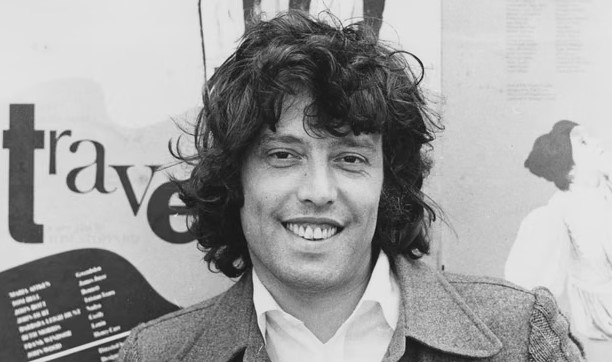
Tom’s father, Klaus Straussler, was a physician, and his mother Elli Straussler (née Němecová) came from a Jewish background. While not much is publicly recorded about siblings, it was his early life displacement and the experience of exile with his mother that shaped his early formative years. The sense of being between cultures — Czech heritage and British upbringing — became part of the complexity that informed his writing.
His family background, marked by survival and adaptation, laid the foundation for the themes of identity, exile, and memory that would resonate throughout his career.
Education
After relocating to England, Tom (now going by Stoppard) attended grammar school. Although he left formal schooling early and did not pursue a university degree, he remained an avid reader — especially literature, philosophy, and classics. His self-education and voracious reading helped him develop the rich vocabulary, philosophical insight, and literary confidence that defined his later work.
He later worked as a journalist and radio playwright — experiences that honed his command of language and sharpened his narrative voice.
Career & Professional Life
Stoppard’s career is legendary:
-
His breakthrough came with Rosencrantz and Guildenstern Are Dead (1966), a daring, witty reimagining of Hamlet from the perspective of minor characters — a bold reinvention of dramatic form that earned droll wit and critical acclaim.
-
Over decades, he wrote dozens of plays, screenplays, and radio dramas — among them Arcadia, The Real Thing, Night and Day, Travesties, and The Coast of Utopia. Each carried his signature style: intellectual rigor, keen wit, and emotional honesty.
-
He also found success in film: he co-wrote the screenplay for Shakespeare in Love, earning an Oscar nomination for Best Adapted Screenplay.
Through his long career, Stoppard dazzled audiences and critics alike, always challenging expectations and bending language in new directions.
Personal Life / Relationships
Tom Stoppard was married twice. First, to actress Josie Ingle (1965–1972), with whom he had a daughter. Later, he married Dr. Miriam Stoppard (née Stern), a physician and author; they had two children together. His family life — though not always in the public eye — provided a grounding counterbalance to his theatrical ambitions.
He balanced the personal and the philosophical, drawing on human relationships to deepen his dramatic insight.
Net Worth
As a prolific playwright, screenwriter, and author — with works staged internationally, adapted for film and radio — Stoppard amassed both critical acclaim and financial success. At the time of his passing, his legacy included not only a vast body of work but a well-earned position among the world’s respected dramatists.
Though exact figures are not public, his decades of theatrical royalties, film credits, and rights to his plays likely placed him comfortably among the upper echelons of successful playwrights in the UK and internationally.
Interesting Facts
-
Stoppard originally emigrated from Czechoslovakia to avoid Nazi persecution — a childhood marked by exile and survival.
-
He worked as a journalist and radio scriptwriter before breaking through with Rosencrantz and Guildenstern Are Dead.
-
Many of his plays explore themes of time, identity, memory, and existential uncertainty — reflecting his own life experience.
-
He maintained a lifelong love for reading classical literature and philosophy, often weaving references into his scripts.
-
Despite fame and accolades, Stoppard remained deeply private — rarely granting interviews and letting his writing speak for him.
Recent News & Updates (Trend Connection)
-
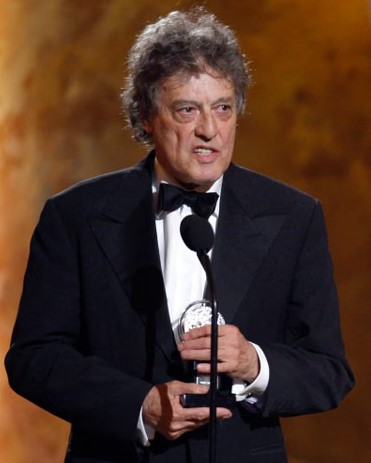
The world is reflecting on his legacy after his death at age 88. Tributes from actors, playwrights, critics, and fans have flooded in — honoring his contribution to theatre and literature.
-
As generations of new theatre-goers and film lovers discover his work, discussions about modern drama and the power of language are returning to the forefront — a renewed trend of appreciation for ideas-based storytelling that his works helped inspire.
Conclusion
Tom Stoppard lived a life that intertwined exile, identity, language, and imagination. He reframed what theatre could be — not just entertainment, but intellectual challenge, emotional depth, and philosophical reflection.
As we mourn his passing, we also celebrate what he gave the world: stories that provoke, characters that linger, and language that dazzles. In his absence, the echoes of his words will continue to resonate — reminding us that theatre, at its best, asks not what we see, but what we think.
The stage may darken, but his legacy — of ideas, questions, and human complexity — endures.
FAQ
Who was Tom Stoppard?
Tom Stoppard was a British-Czech playwright and screenwriter, best known for works like Rosencrantz and Guildenstern Are Dead, Arcadia, and The Coast of Utopia.
What was the cause of Tom Stoppard’s death?
He died at age 88 from age-related natural causes (as reported in media coverage).
What are some of his most famous plays?
His major works include Rosencrantz and Guildenstern Are Dead, Arcadia, Travesties, The Real Thing, and The Coast of Utopia. He was also co-writer of the film Shakespeare in Love.
Did Tom Stoppard have children?
Yes — he had three children across two marriages: first with actress Josie Ingle, then with physician-author Miriam Stoppard.
Why is he being remembered now?
His death prompted global tributes and renewed interest in his works — many readers and theatre lovers are rediscovering his plays and celebrating his legacy in modern drama.
Leave a Reply