Introduction
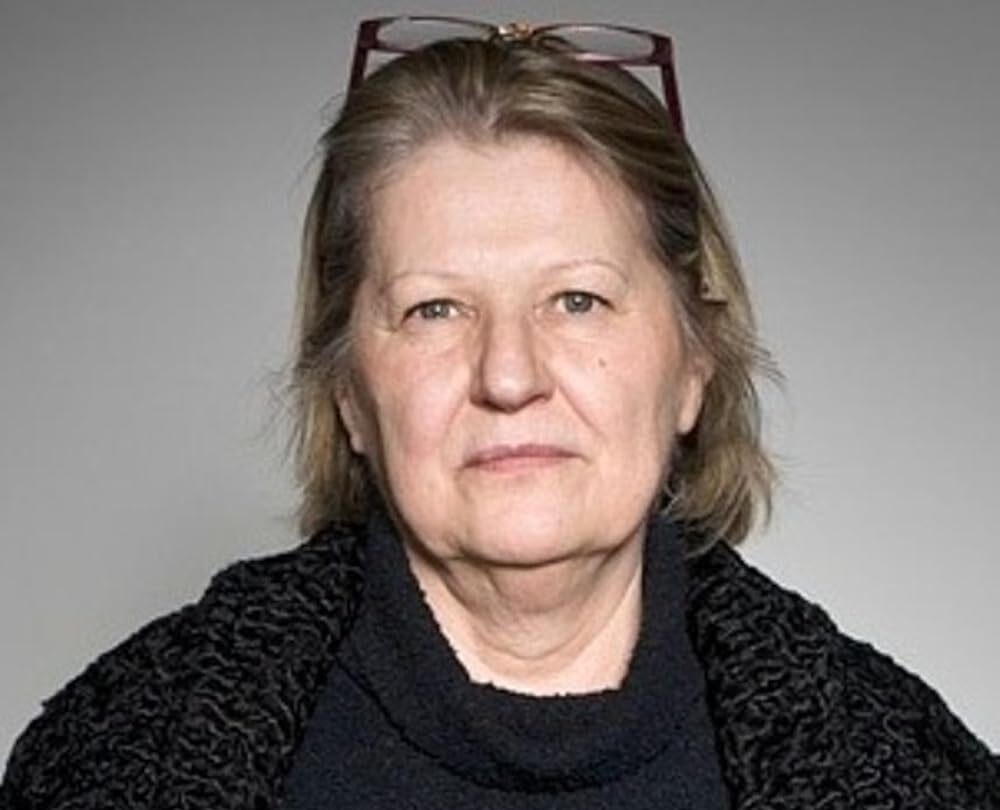
Ágnes Hranitzky has never been a filmmaker who sought the spotlight.
Yet without her, the cinema of Béla Tarr — often described as some of the most demanding and influential in film history — would not exist in the form the world knows today.
A Hungarian film editor and director, Ágnes Hranitzky is best known for her decades-long creative and life partnership with the late Béla Tarr. Following Tarr’s death at age 70 on January 6 after a long-term illness, global attention has turned not only to his legacy, but also to the woman who quietly shaped every frame of his work.
This article focuses first on Ágnes Hranitzky herself — her life, career, and artistic importance — while placing recent news surrounding Béla Tarr’s passing in proper context.
Early Life & Childhood
Ágnes Hranitzky was born on July 4, 1945, in Derecske, Hungary, shortly after World War II, during a period of profound national reconstruction.
Growing up in postwar Hungary meant living amid political rigidity, scarcity, and social transformation. These conditions shaped a generation of Hungarian artists whose work often reflected restraint, realism, and endurance — qualities that would later define Hranitzky’s editing philosophy.
Family Background, Parents & Siblings
Public records about Ágnes Hranitzky’s parents and siblings are limited, reflecting her deeply private nature.
What is known is that she came from a Hungarian family rooted in everyday life rather than artistic celebrity. This grounded upbringing is often cited by colleagues as a reason her work remained emotionally restrained and focused on human reality rather than spectacle.
Education
Unlike many European filmmakers who rose through elite film academies, Ágnes Hranitzky’s professional education was largely practical.
She learned the craft of editing through hands-on work in the Hungarian film industry during the 1970s — a period when editing was still physically demanding, requiring patience, precision, and deep narrative intuition.
Career or Profession
Early Career as a Film Editor
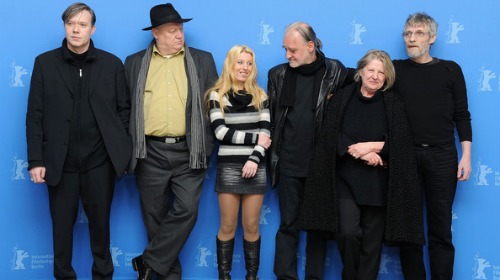
Ágnes Hranitzky began working as a film editor in the 1970s, contributing to Hungarian productions before her partnership with Béla Tarr began.
Her breakthrough came in 1981, when she edited Tarr’s film The Outsider. This collaboration marked the beginning of one of cinema’s most enduring creative partnerships.
From that point forward, Hranitzky edited every single film Béla Tarr made.
Architect of Slow Cinema
Béla Tarr became famous for:
-
Extremely long takes
-
Minimal cuts
-
Slow, hypnotic pacing
What is often overlooked is that these stylistic choices required an editor who could anticipate the rhythm of time itself.
Because Tarr’s shots often ran for ten minutes or more, Hranitzky had to be present on set, advising which takes would work together long before the editing room stage. This unusual process eventually led to her being formally credited as co-director.
Co-Director Credits
Ágnes Hranitzky first received co-director credit in 2000 with the release of Werckmeister Harmonies, widely regarded as one of the greatest films of the 21st century.
She later co-directed:
-
The Man from London (2007) — premiered in competition at the Cannes Film Festival
-
The Turin Horse (2011) — premiered at the 61st Berlin International Film Festival and won the Jury Grand Prix
By this stage, Hranitzky was no longer just shaping Tarr’s films — she was actively directing their emotional architecture.
Connection to Béla Tarr
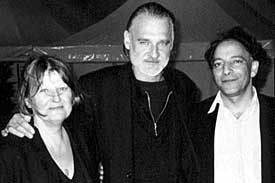
Ágnes Hranitzky met Béla Tarr in 1978, beginning a partnership that lasted nearly five decades.
They were married the same year and remained partners in both life and art until Tarr’s death in 2026.
Recently, Béla Tarr made headlines following confirmation from the European Film Academy and the Hungarian Filmmakers’ Association that he had passed away after a long-term illness. While tributes focused on his status as the “father of slow cinema,” many critics emphasized that his work was inseparable from Hranitzky’s presence.
Their relationship was built on:
-
Creative trust
-
Long periods of silence and observation
-
A shared belief that cinema should confront reality, not escape it
Personal Life & Relationships
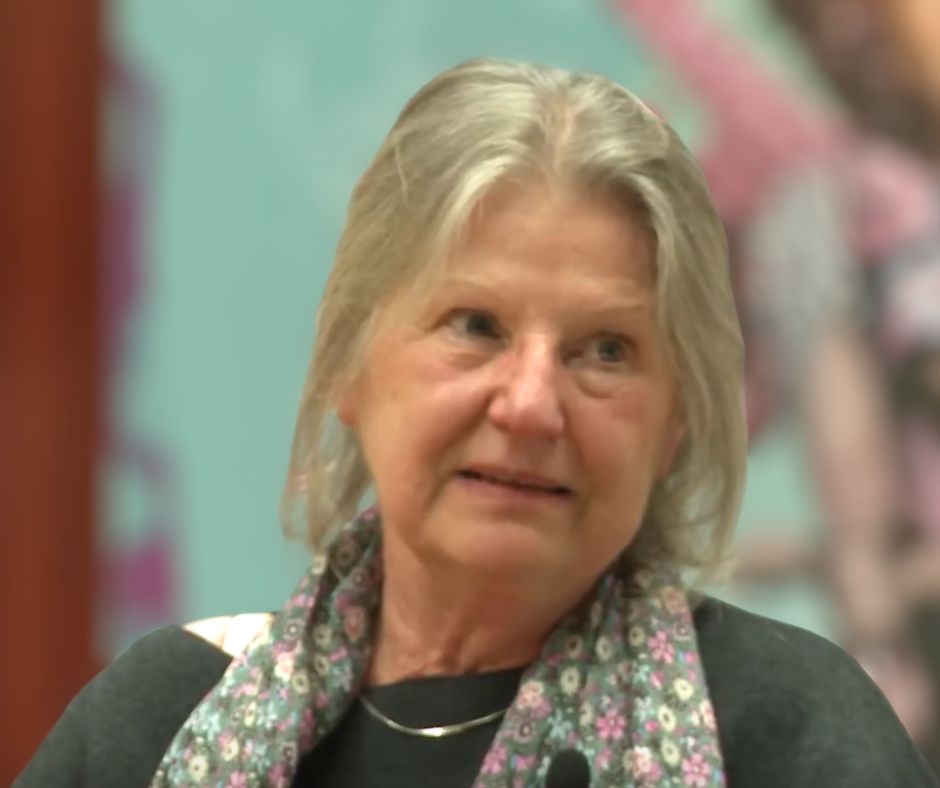
Ágnes Hranitzky lived a deliberately quiet life, avoiding publicity and social media even as her films gained global recognition.
She and Béla Tarr had no publicly documented children, and their lives revolved around filmmaking, teaching, and long periods of creative retreat.
Following Tarr’s retirement from filmmaking in 2011, Hranitzky stepped away from public projects as well, maintaining privacy as their defining personal value.
Net Worth
Ágnes Hranitzky’s net worth has never been publicly disclosed.
Her work existed primarily within European co-productions, cultural grants, and festival-supported cinema. Financial success was never the aim — artistic integrity was.
Interesting Facts About Ágnes Hranitzky
-
She edited every Béla Tarr film from 1981 onward
-
She spent extensive time on set, not just in the editing room
-
She received co-director credit only after two decades of collaboration
-
Her films are studied in film schools worldwide
-
She avoided public attention even at major festivals
Recent News or Updates
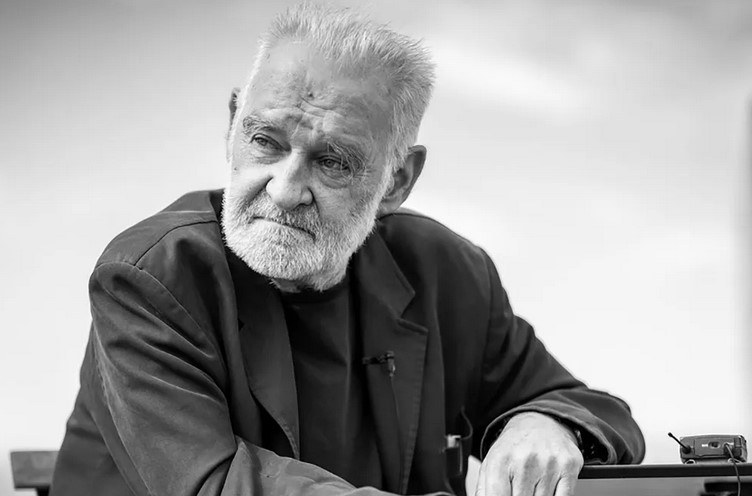
On January 6, Béla Tarr died at the age of 70 following a long-term illness.
As of this writing, no specific cause of death has been publicly disclosed.
In official statements, Hungarian film institutions emphasized the enduring artistic legacy Tarr leaves behind — a legacy inseparable from Ágnes Hranitzky’s contributions.
Conclusion
Ágnes Hranitzky is not simply the wife of Béla Tarr.
She is the unseen force behind some of the most demanding and influential films ever made — a filmmaker whose patience, discipline, and restraint shaped the very grammar of slow cinema.
As the world reflects on Béla Tarr’s death, Ágnes Hranitzky’s role becomes clearer than ever:
she was not behind the camera — she was inside the film itself.
FAQ
Who is Ágnes Hranitzky?
Ágnes Hranitzky is a Hungarian film editor and director best known for her lifelong collaboration with Béla Tarr.
Was Ágnes Hranitzky married to Béla Tarr?
Yes. She married Béla Tarr in 1978 and remained his partner until his death in 2026.
What films did Ágnes Hranitzky co-direct?
She co-directed Werckmeister Harmonies, The Man from London, and The Turin Horse.
Why is Ágnes Hranitzky important to slow cinema?
Her editing and on-set guidance made Tarr’s long-take, slow-paced style structurally possible.
Did Ágnes Hranitzky retire from filmmaking?
After The Turin Horse in 2011, she largely stepped away from public filmmaking work.
Leave a Reply